
Organizing Brand Assets: A Guide for Creative Agencies
In the dynamic and fast-paced world of creative agencies, delivering exceptional brand experiences is paramount. However, beneath the polished campaig…
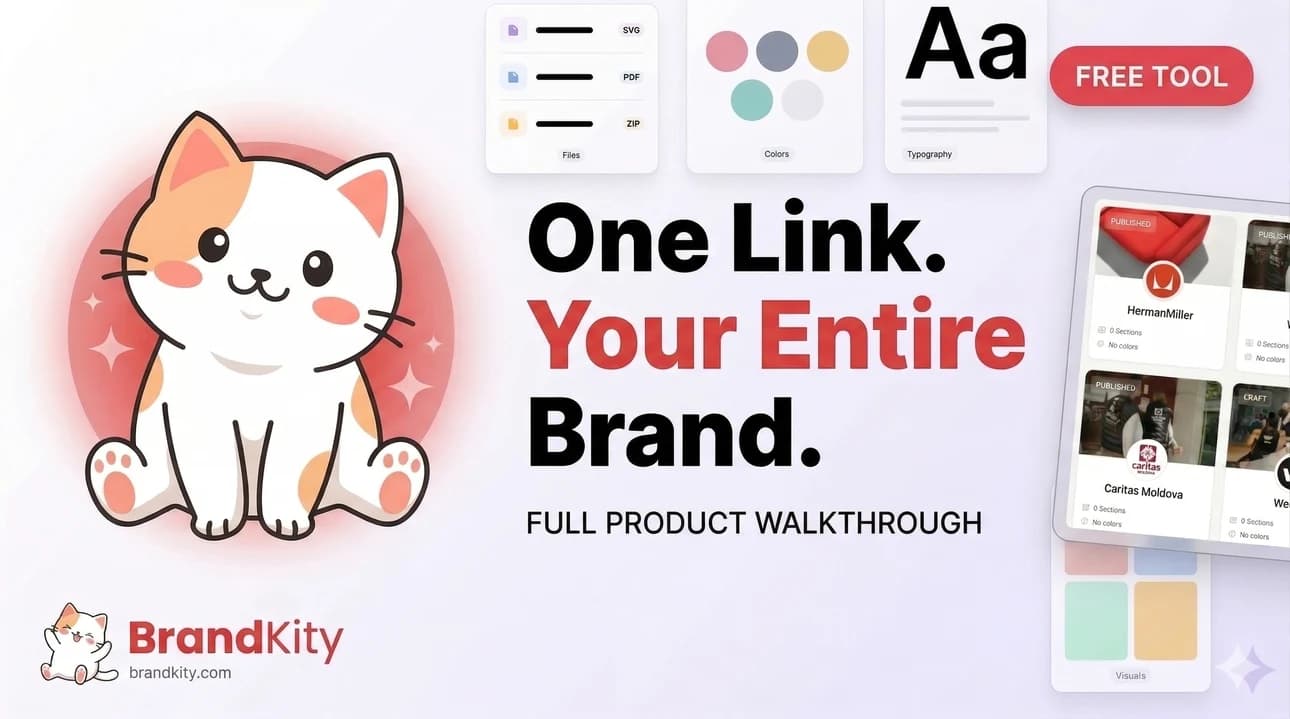
Table of contents
- The Unseen Chaos: Why Disorganized Brand Assets Are Crippling Your Agency’s Productivity
- The Ripple Effect: Missed Deadlines, Scope Creep, and Client Frustration
- Beyond the Aesthetics: How Disorganization Impacts Profitability and Reputation
- The Agency’s Imperative: Why Proactive Organization Isn’t Optional
- Deconstructing Brand Assets: What Creative Agencies Really Need to Manage
- Core Brand Elements: Logos, Typography, Color Palettes, Imagery
- Marketing & Communication Assets: Templates, Videos, Presentations, Documents
- Essential Supporting Files: Guidelines, Legal Disclaimers, Licensing
- The Hidden Costs of Disorganization: Common Pain Points for Agency Workflows
- Wasted Time: Searching, Recreating, and Approving Assets
- Brand Inconsistency: Outdated Files Leading to Off-Brand Deliverables
- Security Risks: Uncontrolled Access and Version Control Nightmares
- Blueprint for Order: Developing a Robust Brand Asset Management Strategy
- Auditing Your Current Asset Inventory and Identifying Gaps
- Defining Asset Ownership, Naming Conventions, and Metadata Standards
- Establishing Clear Permissions and Access Control Hierarchies
- Crafting a Version Control and Archiving Protocol
- Visual Identity Elements: The Core Brand Building Blocks
- Imagery and Photography Libraries: Capturing the Brand Story
- Video and Animation Assets: Dynamic Storytelling
- Audio Assets: The Sound of the Brand
- Copy and Messaging Guidelines: The Brand’s Voice
- Design Templates and Layouts: Efficiency and Consistency
- Project Documentation and Internal Resources: Operational Foundation
- Key Pillars of Effective Brand Asset Organization for Agencies
- Centralized Storage: The Single Source of Truth
- Automated Version Control and Asset Lifecycle Management
- Secure Sharing and External Collaboration Features
- Beyond Cloud Storage: Choosing the Right Brand Asset Management Platform for Your Agency
- Critical Features: Scalability, Integrations, and User Experience
- Evaluating Pricing Models: What’s Right for Freelancers to Enterprises
- Seamless Onboarding and User Adoption: A Non-Negotiable Factor
- Streamlining Agency Workflows: Integrating Brand Asset Management from Concept to Client Handoff
- Discovery & Strategy: Ensuring All Stakeholders Have Access
- Elevating Client Delivery: The Power of Seamless Brand Asset Sharing
- Customized Brand Portals: Branded Client Experience
- Controlled Access and Permissions for External Users
- Tracking Asset Usage and Downloads
- The Professional Edge: Impressing Clients with Organized Delivery
- Ensuring Brand Asset Governance and Future-Proofing Your Agency’s System
- Regular Audits and Updates to Maintain Asset Integrity
- Training Agency Teams on Best Practices and Platform Usage
- Adapting to Evolving Brand Guidelines and Digital Formats
- The Role of a Brand Asset Manager or Champion
- Tangible Benefits: How Organized Brand Assets Transform Agency Operations and Profitability
- Increased Productivity and Reduced Project Timelines
- Improved Client Satisfaction and Retention
- Key Recommendations for Building an Organized Brand Asset Ecosystem
- Start Small, Scale Smart: Phased Implementation
- Prioritize User Experience for Internal Teams and Clients
- Foster a Culture of Brand Asset Responsibility
- Frequently Asked Questions About Agency Brand Asset Management
- What’s the difference between DAM and Brand Asset Management for agencies?
- How can an agency implement brand asset management without disrupting current workflows?
- What are the biggest challenges agencies face in managing brand assets?
- How does brand asset management improve client relationships?
In the dynamic and fast-paced world of creative agencies, delivering exceptional brand experiences is paramount. However, beneath the polished campaigns and stunning visuals often lies a chaotic tangle of disorganized brand assets that quietly sabotages efficiency and erodes profitability. From elusive logo files to outdated brand guidelines, the struggle to locate and manage critical creative elements is a universal challenge.
This guide aims to illuminate the profound impact of this unseen chaos and provide a clear blueprint for establishing robust brand asset management strategies. We will explore not just the “what” but the “why” and “how” of transforming your agency’s approach to brand asset organization, ensuring consistency, boosting productivity, and safeguarding your client relationships.
The Unseen Chaos: Why Disorganized Brand Assets Are Crippling Your Agency’s Productivity
The Ripple Effect: Missed Deadlines, Scope Creep, and Client Frustration
Disorganized brand assets don’t merely create minor inconveniences; they trigger a cascade of detrimental effects across agency operations. When designers or project managers spend countless hours sifting through network drives, email attachments, or outdated cloud folders to find the correct logo variant or a specific brand image, it directly translates into wasted billable hours and increased project timelines. This search paralysis often leads to missed deadlines, requiring rushed workarounds that compromise quality. Furthermore, inadvertently using an incorrect or outdated asset frequently results in rework, leading to dreaded scope creep and frustrating both the agency team and, critically, the client who expects seamless execution and brand consistency.
Beyond the Aesthetics: How Disorganization Impacts Profitability and Reputation
The ramifications of poor asset management extend far beyond mere aesthetics, deeply impacting an agency’s financial health and market standing. Every hour spent searching for or recreating assets is an hour not spent on creative work, directly eroding project profitability. The cost of errors, re-prints, or re-shoots due to incorrect assets can quickly accumulate, turning a healthy margin into a loss. Moreover, consistently delivering inconsistent or delayed brand materials tarnishes an agency’s professional reputation. Clients seek partners who are organized, efficient, and reliable; a track record of asset-related blunders can make it challenging to win new business and retain existing high-value clients, ultimately hindering long-term growth.
The Agency’s Imperative: Why Proactive Organization Isn’t Optional
For creative agencies, adopting a proactive approach to brand asset organization is no longer a luxury but an absolute imperative for sustained success in a competitive landscape. In an environment where speed, precision, and brand fidelity are non-negotiable, a centralized and meticulously organized system for managing brand assets serves as the foundational backbone for all creative and strategic endeavors. It streamlines workflows, minimizes errors, and empowers teams to focus on innovation rather than administration. Embracing robust competitive advantage.
Deconstructing Brand Assets: What Creative Agencies Really Need to Manage
Core Brand Elements: Logos, Typography, Color Palettes, Imagery
At the heart of every brand are its fundamental visual components, which creative agencies must manage with meticulous precision. This category includes all permutations of logos – primary, secondary, sub-brands, logomarks, and favicons – in various file formats like SVG, EPS, PNG, and JPG, optimized for print and digital applications. Typography encompasses specific font files (e.g., OTF, TTF, WOFF), precise usage guidelines, and approved weights. Color palettes require exact specifications (HEX, RGB, CMYK, Pantone codes) and application rules. Lastly, a comprehensive library of approved imagery covers photography styles, iconography, illustrations, and video assets, ensuring visual consistency across all touchpoints.
Marketing & Communication Assets: Templates, Videos, Presentations, Documents
Beyond the core identity, agencies generate a vast array of marketing and communication materials for their clients. This category includes adaptable templates for social media posts, email newsletters, digital advertisements, and print collateral, all pre-designed to adhere to brand standards. Video assets range from short social clips and animated explainers to full-length commercials, requiring careful organization of raw footage, edited versions, and motion graphic elements. Presentation decks (PowerPoint, Keynote, Google Slides) for pitches, webinars, and internal communications must be readily available and on-brand. Furthermore, critical documents like whitepapers, case studies, and press releases also require structured storage and easy retrieval, often necessitating version control.
Essential Supporting Files: Guidelines, Legal Disclaimers, Licensing
Often overlooked but critically important are the supporting files that govern asset usage and protect legal integrity. Comprehensive brand guidelines, whether in PDF format or as interactive dynamic assets and future needs is a key differentiator for forward-thinking creative operations.
The Hidden Costs of Disorganization: Common Pain Points for Agency Workflows
Wasted Time: Searching, Recreating, and Approving Assets
The most pervasive and quantifiable cost of disorganized brand assets is the immense amount of wasted time. Imagine a scenario where a designer spends 30 minutes searching through disparate folders for a specific high-resolution client logo, only to discover an outdated version, necessitating another 20 minutes to find or request the correct one. Multiplied across multiple projects and team members, these small increments quickly accumulate. Agencies report creative teams spending upwards of 15-20% of their working hours on asset retrieval, re-creation due to missing files, or navigating lengthy approval processes because incorrect assets were initially used. This administrative overhead significantly deters productivity and delays project delivery.
Brand Inconsistency: Outdated Files Leading to Off-Brand Deliverables
One of the gravest consequences of disorganization is the inevitable emergence of brand inconsistency. When teams lack a single, authoritative source for brand assets, they often resort to using the most readily available file, which may be an outdated logo, an incorrect color variation, or a photograph that no longer aligns with the brand’s current visual identity. This fragmentation leads to a disjointed brand presence across different campaigns and channels, undermining the client’s brand equity and confusing their audience. Agencies risk damaging their reputation by delivering brand asset management for agencies solution simplifies this crucial client handoff.
Security Risks: Uncontrolled Access and Version Control Nightmares
The lack of a centralized, controlled system for brand assets also introduces substantial security risks and version control nightmares. Without proper permissions and access hierarchies, sensitive or proprietary brand assets might be accessible to unauthorized individuals, potentially leading to misuse or leaks. Furthermore, a chaotic environment often results in multiple versions of the same asset coexisting, making it impossible to ascertain which is the definitive, approved file. This can lead to critical brand files being overwritten, lost, or incorrectly deployed, creating compliance issues and undermining the integrity of creative work. A robust system mitigates these security vulnerabilities and ensures accurate version management.
Blueprint for Order: Developing a Robust Brand Asset Management Strategy
Auditing Your Current Asset Inventory and Identifying Gaps
The first critical step in establishing a robust brand asset management strategy is to conduct a thorough asset inventory audit. This involves systematically reviewing all existing brand assets across every storage location—network drives, individual hard drives, cloud storage, email archives, and even physical storage. The goal is to identify duplicates, outdated versions, unused assets, and critically, any missing or essential assets. Categorize assets by type, client, project, and status (e.g., approved, draft, archived). This comprehensive overview provides a clear understanding of your current asset landscape and pinpoints areas requiring immediate attention and strategic investment, forming the foundation for future organization.
Defining Asset Ownership, Naming Conventions, and Metadata Standards
Once the audit is complete, establishing clear protocols for asset governance is paramount. Define specific asset ownership roles, assigning responsibility for maintaining and updating different categories of assets. Implement consistent naming conventions (e.g., ClientNameAssetTypeDescriptionVersionDate.ext) to ensure immediate recognition and searchability. Furthermore, creating robust metadata standards—tags, keywords, descriptions, and usage rights—allows for powerful search and filtering capabilities, significantly reducing retrieval time. These foundational standards are critical for long-term usability and team collaboration, turning raw files into intelligently organized, searchable resources. For deeper insights into digital asset best practices, refer to resources from industry leaders like Adobe.
Establishing Clear Permissions and Access Control Hierarchies
A sophisticated brand asset management strategy demands granular control over who can access, edit, and download specific assets. Implementing clear permissions and access control hierarchies ensures that only authorized personnel have the appropriate level of access. This typically involves role-based permissions (e.g., designers can edit, project managers can view and share, clients can only download approved final assets). This prevents unauthorized modifications, reduces the risk of incorrect assets being used, and safeguards sensitive brand information. A well-defined permission structure is vital for maintaining brand integrity and data security, especially when collaborating with external partners or freelancers on client projects.
Crafting a Version Control and Archiving Protocol
To prevent the proliferation of outdated or incorrect files, agencies must develop a rigorous version control and archiving protocol. This involves a systematic approach to naming and saving new iterations of an asset (e.g., v1, v2, final) and clearly marking the current approved version. A robust system should track changes, indicating who made them and when, allowing for easy rollback if necessary. Additionally, establish a clear archiving process for assets that are no longer actively used but must be retained for historical or legal purposes. This ensures that the primary asset library remains clean and current, while still preserving older assets without causing confusion or clutter, supporting overall creative operations.
While the term “brand assets” might conjure images of logos and style guides, for creative agencies, the scope is far broader and more intricate. Effective brand asset management extends beyond mere visual identity to encompass a vast array of digital resources critical to client projects and agency operations. This includes everything from high-resolution imagery and video footage to meticulously crafted copy, design templates, and even internal project documentation. Understanding the full spectrum of assets is the first step toward building a truly comprehensive management system. Each category of asset requires specific considerations for storage, access, and lifecycle management.
Visual Identity Elements: The Core Brand Building Blocks
At the foundation of any brand are its core visual identity elements. For creative agencies, managing these assets means meticulously organizing everything from primary and secondary logos (in various formats like SVG, PNG, and AI) to brandmarks, favicons, and social media avatars. It also encompasses the approved typography – specific fonts, weights, and usage guidelines – and the complete brand color palette, including CMYK, RGB, hex codes, and Pantone references. These elements are the most frequently accessed and crucial for maintaining visual consistency across all client touchpoints, from digital campaigns to print collateral. Ensuring easy access to the correct, high-resolution versions of these assets prevents costly errors and ensures brand integrity.
Imagery and Photography Libraries: Capturing the Brand Story
Beyond logos, a brand’s narrative is heavily conveyed through its imagery. Agencies must manage extensive libraries of high-resolution photography and graphic assets, including lifestyle shots, product photography, editorial images, and custom illustrations. These assets often come in various crops, resolutions, and file types optimized for different platforms (web, print, social media). Effective management involves tagging with relevant keywords for quick retrieval, categorizing by campaign or project, and ensuring all assets are rights-cleared and licensed appropriately. A well-organized image library is indispensable for generating engaging content and maintaining a cohesive visual style across diverse marketing channels.
Video and Animation Assets: Dynamic Storytelling
The rise of video content means agencies are increasingly handling complex video and animation assets. This category includes everything from raw footage, B-roll, and motion graphics templates to fully edited commercials, explainer videos, and social media clips. These files are typically large and require robust storage solutions. Key management considerations include version control for edits, metadata tagging for easy searching, and pre-rendered versions optimized for various platforms (e.g., YouTube, Instagram, TikTok). Proper organization of video assets streamlines post-production workflows and ensures that dynamic content consistently aligns with brand guidelines.
Audio Assets: The Sound of the Brand
While often overlooked, audio assets play a significant role, particularly in video, podcasting, and experiential marketing. This includes brand jingles, voiceovers, background music, sound effects, and audio logos. Managing these assets involves ensuring they are of high quality, properly licensed, and readily accessible for integration into multimedia projects. Consistency in audio branding helps create a more immersive and memorable brand experience, reinforcing recognition across different media.
Copy and Messaging Guidelines: The Brand’s Voice
Brand assets are not solely visual or auditory; the written word is equally critical. Agencies must manage approved messaging frameworks, taglines, mission statements, boilerplate text, and comprehensive style guides that dictate tone of voice, grammar, and key brand terminology. This also includes templates for email marketing, social media captions, website copy, and press releases. Centralizing these textual assets ensures consistency in communication, prevents off-brand messaging, and empowers copywriters and content creators to produce on-brand material efficiently. Version control for copy is crucial, especially for legally sensitive or campaign-specific texts.
Design Templates and Layouts: Efficiency and Consistency
To maintain efficiency and consistency across numerous client projects, agencies rely heavily on standardized design templates and layouts. These include templates for presentations (e.g., in InDesign or PowerPoint), social media graphics, website components, email newsletters, and print advertisements. Managing these assets involves ensuring they are up-to-date with current brand guidelines, easy to customize, and accessible to the relevant design teams. Standardized templates drastically reduce design time and minimize the risk of brand guideline deviations, ensuring a consistent brand experience across all touchpoints.
Project Documentation and Internal Resources: Operational Foundation
Finally, a comprehensive brand asset management strategy for an agency must also encompass crucial internal documentation and project resources. This includes client briefs, project timelines, mood boards, competitive analyses, market research reports, and approved brand strategy documents. While not always “public-facing” brand assets, these documents are vital for guiding creative teams, ensuring project alignment, and maintaining a historical record of client engagements. Proper organization and accessibility of these internal resources streamline workflows, enhance collaboration, and safeguard institutional knowledge, contributing to the overall success of client projects.
Key Pillars of Effective Brand Asset Organization for Agencies
Centralized Storage: The Single Source of Truth
For any creative agency, establishing a centralized storage solution is the foundational pillar of effective brand asset organization. The common pitfall of distributed assets—scattered across individual desktops, various cloud drives, and email attachments—leads to significant inefficiency, duplicated efforts, and the dangerous use of outdated files. A robust brand asset management platform provides a single, secure repository where every approved asset resides, making it the undeniable
Automated Version Control and Asset Lifecycle Management
Creative projects are inherently iterative, making automated version control an indispensable feature. Manual versioning, often relying on file names like “logofinalv2_finalfinal.ai,” is a recipe for confusion and error. A dedicated platform automatically tracks every iteration, allowing teams to view a complete history, compare versions, and even roll back to previous states if needed. This system also facilitates comprehensive asset lifecycle management, overseeing an asset from its initial creation and review through approval, distribution, and eventual archiving. This ensures only the latest, approved assets are accessible for use, safeguarding brand integrity and streamlining approval workflows within the agency.
Secure Sharing and External Collaboration Features
Agencies constantly share assets with clients, freelancers, and third-party vendors. The ability to do so securely and efficiently is a core pillar. Generic email attachments lack control and often lead to outdated files being used. A specialized platform offers controlled access and permissions, allowing agencies to grant specific users access to select assets or collections. Features like secure, shareable links, often with expiry dates or password protection, ensure that sensitive brand assets are protected while still enabling seamless external collaboration. This eliminates the need for cumbersome file transfer services and ensures clients always receive up-to-date and approved materials directly from the centralized source.
Beyond Cloud Storage: Choosing the Right Brand Asset Management Platform for Your Agency
Critical Features: Scalability, Integrations, and User Experience
While generic cloud storage offers basic file hosting, it falls short of the nuanced demands of an agency’s brand asset workflow. When evaluating a specialized brand delivery.
Evaluating Pricing Models: What’s Right for Freelancers to Enterprises
Choosing a platform requires a thorough evaluation of its pricing model, which can vary significantly from one provider to another. Agencies need to look beyond the headline figure and consider factors like user-based pricing, storage limits, and feature-tiered subscriptions. For freelancers or small studios, a cost-effective solution with essential features might suffice, while larger agencies or enterprises will require more comprehensive plans that include advanced analytics, extensive storage, and unlimited users. Understanding the total cost of ownership, including potential hidden fees for exceeding storage or user limits, is crucial to avoid budget surprises and ensure the investment aligns with the agency’s long-term financial strategy and growth.
Seamless Onboarding and User Adoption: A Non-Negotiable Factor
The success of any new technology implementation hinges on seamless onboarding and high user adoption rates. Even the most feature-rich brand asset management platform will fail to deliver ROI if agency staff resist using it or find it overly complex. Agencies should seek platforms that offer an intuitive user interface, comprehensive onboarding support, and accessible documentation. Providers that offer guided setup, training resources, and responsive customer service significantly contribute to a smoother transition. A platform that prioritizes a positive initial experience and ongoing usability ensures that all team members quickly become proficient, leading to consistent usage and the full realization of its benefits across all agency workflows.
Streamlining Agency Workflows: Integrating Brand Asset Management from Concept to Client Handoff
Discovery & Strategy: Ensuring All Stakeholders Have Access
The initial phases of discovery and strategy set the tone for an entire project. A robust brand asset management system ensures that during this critical stage, all relevant stakeholders—strategists, account managers, and creative leads—have immediate and organized access to existing brand assets, historical campaign data, competitive analyses, and any client-provided materials. This central repository acts as a foundation, minimizing misinterpretations and fostering a unified understanding of the brand’s current state and strategic direction. By providing a clear, accessible overview of the brand landscape from the outset, agencies can develop more informed strategies and reduce the risk of creative misalignments, setting the stage for
The client handoff is a critical touchpoint, and how an agency delivers final brand assets speaks volumes about its professionalism. Instead of cumbersome file transfers or disorganized folders, a brand asset management platform enables a seamless client handoff through a “one shareable BrandKit link.” This single, branded link provides clients with immediate, organized access to all final approved assets, brand guidelines, and supporting documentation. This eliminates the risk of clients using outdated files, reduces their need to chase missing assets, and elevates the perceived value of the agency’s work. It’s a modern, efficient, and professional way to ensure clients have everything they need to maintain brand consistency, making it a key differentiator for any agency leveraging
Elevating Client Delivery: The Power of Seamless Brand Asset Sharing
Customized Brand Portals: Branded Client Experience
Moving beyond generic file-sharing, dedicated brand asset management platforms empower agencies to create customized brand portals for each client. These portals are not just repositories; they are an extension of the agency’s professionalism, offering a fully branded, intuitive environment where clients can access their specific brand assets, guidelines, and marketing materials. This self-service model empowers clients to find what they need, when they need it, reducing direct requests to the agency team. It signifies a sophisticated approach to brand governance and provides a premium experience that reinforces the agency’s commitment to brand excellence and client satisfaction.
Controlled Access and Permissions for External Users
Sharing brand assets externally with clients, media, or other vendors demands stringent control to prevent misuse or brand dilution. A robust platform offers granular access and permissions, allowing agencies to precisely dictate who can view, download, or edit specific assets. This might include setting time-limited access, restricting download formats, or assigning roles that determine permission levels. This capability protects sensitive brand elements, ensures proper usage of logos and guidelines, and significantly mitigates the risks associated with unauthorized distribution or modification. It provides peace of mind, knowing that brand integrity is maintained even when assets are distributed widely.
Tracking Asset Usage and Downloads
Understanding how, when, and by whom brand assets are being used offers invaluable insights. Advanced brand asset management systems often include features for tracking asset usage and downloads. Agencies can monitor which assets are most frequently accessed by clients, identify popular creative elements, and observe download trends over time. This data can inform future content strategies, highlight areas where clients might need more support or clearer guidelines, and even demonstrate the value of specific assets. It transforms simple sharing into an analytical tool, providing actionable intelligence that enhances client relationships and campaign effectiveness.
The Professional Edge: Impressing Clients with Organized Delivery
In a competitive market, every detail contributes to an agency’s professional reputation. Seamless, organized brand asset delivery provides a significant professional edge that impresses clients and sets an agency apart. Presenting a single, branded portal with perfectly categorized, up-to-date assets communicates efficiency, attention to detail, and a proactive approach to
Ensuring Brand Asset Governance and Future-Proofing Your Agency’s System
Effective brand asset management extends far beyond initial organization; it demands ongoing governance to ensure longevity and adaptability. Agencies must establish robust frameworks that not only manage current assets but also anticipate future needs and technological shifts. This proactive approach safeguards brand integrity for clients and optimizes internal workflows, preventing the accumulation of obsolete or inconsistent materials. A well-governed system becomes a strategic advantage, reflecting professionalism and a commitment to precision.
Regular Audits and Updates to Maintain Asset Integrity
Systematic audits are paramount for maintaining the integrity and relevance of your agency’s brand asset repository. Establish a regular schedule, perhaps quarterly or bi-annually, to review all active assets against client brand guidelines and project requirements. This process helps identify outdated versions, redundant files, or assets that no longer meet quality standards. Without consistent auditing, agencies risk distributing incorrect materials, leading to client dissatisfaction and costly rework. Assign clear responsibilities for these audits to ensure accountability and thoroughness, treating it as a non-negotiable part of project close-out or maintenance cycles.
Training Agency Teams on Best Practices and Platform Usage
The most sophisticated brand asset management system is only as effective as its users. Comprehensive and continuous training for all agency teams is crucial for ensuring widespread adoption and adherence to best practices. Onboarding sessions for new hires should cover asset naming conventions, tagging protocols, upload procedures, and secure sharing mechanisms. Regular refresher courses for existing staff can address updates to the platform or new client-specific guidelines. Emphasize the “why” behind these practices—how they contribute to efficiency and brand consistency—to foster a culture of mindful asset handling. Overlooking this training can lead to fragmented efforts and undermine the entire system.
Adapting to Evolving Brand Guidelines and Digital Formats
The digital landscape is in constant flux, and so too are brand guidelines. Agencies must cultivate a flexible brand asset system capable of adapting to new client rebrands, product launches, or emerging digital channels. This involves not only updating existing assets but also anticipating new formats, such as interactive media, AR/VR experiences, or specialized social media specifications. Platforms that offer robust version control and easy asset modification are essential. Designate a team member to monitor industry trends and client-specific updates, ensuring the asset library remains current and ready for future applications. Resources like Adobe’s creative suites continually introduce new functionalities that influence optimal digital asset formats, making ongoing adaptation vital.
The Role of a Brand Asset Manager or Champion
For agencies handling multiple client brands, establishing a dedicated role like a Brand Asset Manager or “Champion” can significantly enhance governance. This individual acts as the central custodian of all brand assets, responsible for platform administration, ensuring compliance with guidelines, and leading training initiatives. Their responsibilities often include curating new submissions, archiving deprecated files, and facilitating communication between creative, account, and client teams regarding asset availability and usage. This dedicated oversight prevents asset sprawl and ensures the system remains a single source of truth, ultimately reducing errors and improving overall operational efficiency.
Tangible Benefits: How Organized Brand Assets Transform Agency Operations and Profitability
The investment in a structured brand asset management system yields profound returns, directly impacting an agency’s operational efficiency, client relationships, and ultimately, its profitability. Beyond merely tidying up files, it establishes a foundational infrastructure that empowers teams, safeguards brand integrity, and positions the agency for sustainable growth. These benefits are not abstract; they manifest as measurable improvements across various facets of the business.
Increased Productivity and Reduced Project Timelines
One of the most immediate and significant benefits of organized brand assets is a dramatic boost in team productivity. Designers, copywriters, and project managers no longer waste valuable hours searching for the correct logo version, approved color palette, or latest image. With instant access to a
Improved Client Satisfaction and Retention
Clients increasingly expect efficiency and precision from their agency partners. A well-organized brand asset system demonstrates professionalism and competence, fostering greater client satisfaction. When clients can easily access their approved brand elements through a secure,
How long does it typically take for an agency to implement a new brand asset management system? Implementation time varies based on the agency’s size, the volume of existing assets, and the complexity of the chosen platform. A focused platform designed for agencies, like BrandKity, can be set up and populated with essential assets within days or a few weeks for critical client brands. Larger agencies with extensive asset libraries and a desire for deep integration might require several months, including data migration, custom tagging, and comprehensive team training. Phased implementation often proves most effective.
What is the measurable ROI for investing in brand asset management? The return on investment (ROI) for brand asset management is realized through several key areas. Agencies experience significant time savings from reduced asset search times, fewer errors requiring rework, and faster project completion. This leads to increased productivity, allowing teams to handle more projects without additional headcount. Improved brand consistency reduces client friction and enhances client satisfaction, contributing to higher retention and new business acquisition. Quantifying these savings in terms of billable hours, avoided costs, and client lifetime value clearly demonstrates ROI.
Can clients access our brand asset management system directly? Yes, many modern brand asset management platforms, especially those tailored for agencies, offer client-facing portals or shareable links. This functionality allows agencies to provide clients with secure, controlled access to their approved brand assets, guidelines, and marketing materials. Clients can download files, review brand elements, and ensure their internal teams are always using the latest versions. This capability enhances transparency, improves collaboration, and positions the agency as a highly organized and client-centric partner.
Key Recommendations for Building an Organized Brand Asset Ecosystem
Creating an efficient brand asset ecosystem within an agency requires a strategic approach that balances technological investment with cultural shifts. It’s about establishing systems and mindsets that foster order, accessibility, and consistency. These recommendations aim to guide agencies through the process, ensuring a smooth transition and long-term success.
Start Small, Scale Smart: Phased Implementation
Resist the temptation to overhaul everything at once. A more effective strategy is to begin with a phased implementation. Identify one or two key client brands or critical project types that would most benefit from organized assets. Focus on getting those assets perfectly categorized and accessible, then train a small pilot team. Learn from this initial rollout, refine your processes, and then gradually expand to other clients and teams. This “start small, scale smart” approach minimizes disruption, allows for iterative improvements, and builds internal advocacy for the new system.
Prioritize User Experience for Internal Teams and Clients
The success of any brand asset management system hinges on its usability. If internal teams find it cumbersome or clients struggle to navigate it, adoption will falter. Prioritize platforms with intuitive interfaces, clear search functionality, and straightforward download options. For client delivery, ensure the right brand asset management platform for agencies ensures that the system aligns with creative workflows, client handoff requirements, and the need for a “single source of truth” that traditional Digital Asset Management (DAM) may not fully address.
Foster a Culture of Brand Asset Responsibility
Ultimately, technology is just a tool; sustained success comes from a cultural commitment to brand asset responsibility. Leadership must champion the new system, emphasizing its importance for efficiency, quality, and client satisfaction. Encourage every team member, from designers to account managers, to understand their role in maintaining asset integrity—from proper naming and tagging to regularly checking for updates. Make asset governance a shared responsibility, integrating it into workflows and performance expectations, thereby embedding it as a core operational value within the agency.
By systematically addressing governance, understanding the tangible benefits, answering common questions, and following these key recommendations, agencies can build an organized brand asset ecosystem that not only streamlines operations today but also provides a resilient foundation for future growth and client success.
Frequently Asked Questions About Agency Brand Asset Management
What’s the difference between DAM and Brand Asset Management for agencies?
Traditional Digital Asset Management (DAM) systems are broad, focusing on the storage, organization, and retrieval of any digital file. Brand Asset Management, especially for agencies, is a specialized form of DAM that focuses specifically on assets related to client brands. It often includes features tailored to agency workflows, such as client-specific portals, version control for creative revisions, approval workflows, and integration with project management tools. It’s less about generic file storage and more about maintaining brand consistency and facilitating efficient creative production and client delivery.
How can an agency implement brand asset management without disrupting current workflows?
The key to a smooth implementation is a phased approach and thorough planning. Start by identifying a pilot project or client with a high need for asset organization. Document existing workflows and pinpoint areas where a brand asset management solution can integrate seamlessly or even improve upon current processes. Invest in training for the pilot team, gather feedback, and iterate on your approach. Gradual rollout, combined with clear communication and showcasing early wins, minimizes disruption and encourages adoption across the agency. Choosing a platform designed for agency workflows will also help with integration.
What are the biggest challenges agencies face in managing brand assets?
Agencies frequently encounter challenges such as inconsistent naming conventions, making assets difficult to find; multiple versions of the “same” file, leading to confusion and errors; lack of a centralized repository, resulting in time wasted searching across various drives and cloud services; issues with client sharing and approvals; and the constant need to ensure brand compliance across diverse campaigns and client projects. Poor asset management can lead to rework, missed deadlines, and ultimately, client dissatisfaction. A robust brand asset management system addresses these pain points directly.
How does brand asset management improve client relationships?
By ensuring that all client-facing materials are consistently on-brand, accurate, and easily accessible, agencies can significantly enhance client satisfaction. A dedicated client portal for brand assets provides clients with instant access to approved logos, guidelines, and campaign materials, reducing back-and-forth emails and demonstrating a high level of professionalism and organization. This transparency and efficiency build trust and reinforce the agency’s commitment to protecting and promoting their clients’ brands effectively. It positions the agency as a highly organized and reliable partner.
Saurabh Kumar
Founder, BrandKity
Saurabh writes about practical brand systems, faster client handoffs, and scalable workflows for designers and agencies building repeatable delivery operations.
Connect on LinkedIn