
Best Brand Portal Software for Agencies & Startups
In the fast-evolving digital landscape, where brand identity is paramount, agencies and startups face immense pressure to maintain consistency and eff…
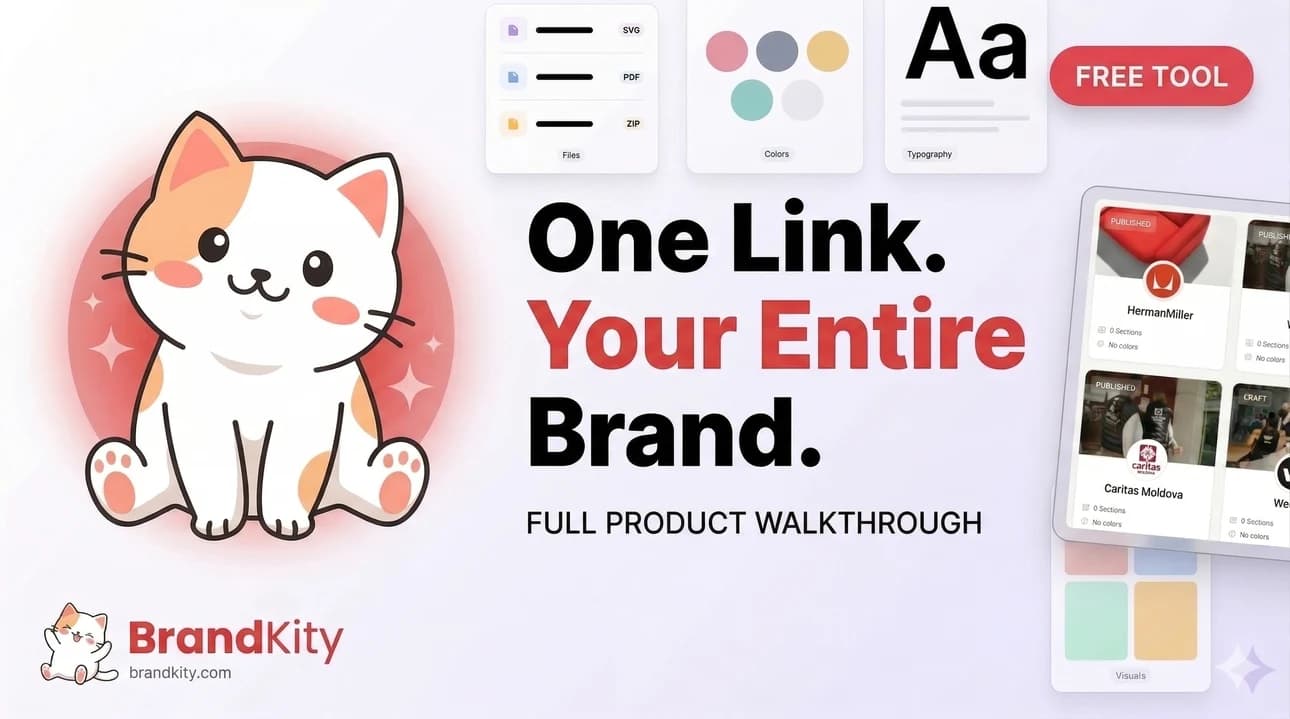
Table of contents
- Why a Centralized Brand Hub is Non-Negotiable for Modern Agencies & Startups
- The hidden costs of scattered brand assets and inconsistent delivery
- Streamlining client-facing workflows and project handoffs
- Scaling brand operations without chaos: From solo designer to growing team
- The ‘single source of truth’ concept for all brand assets
- Transforming Agency Operations: How Brand Portals Elevate Client Relationships & Efficiency
- Accelerating client onboarding and project kick-offs with complete brand kits
- Ensuring brand compliance and consistency across multiple client projects
- Enhancing design collaboration and stakeholder approvals for marketing assets
- Building a Solid Brand Foundation: Essential for Agile Startups and Rapid Growth
- Maintaining brand consistency from day one, even with limited resources
- Empowering distributed teams and external partners with self-service access
- Understanding Brand Portal Software: More Than Just a Storage Drive
- Critical Features: What Defines the Best Brand Portal Software in 2026?
- Intuitive user interface & rapid onboarding for all users (clients included)
- Advanced search, smart tagging, and metadata for effortless asset discovery
- Customizable branded portals for a seamless client experience
- Version control, approval workflows, and usage analytics
- Seamless sharing, embed options, and varied download formats
- Practical Applications: Brand Portals in Action for Diverse Workflows
- Case Study: A design agency’s flawless client handoff with BrandKit links
- Use Case: A startup’s unified brand presence across all marketing channels
- Simplifying Brand Delivery: The Modern Approach for Agility and Consistency
- The power of a single shareable BrandKit link for effortless distribution
- Creating dedicated, branded portals that act as a client’s command center
- Choosing Your Ideal Brand Portal Solution: Key Decision-Making Factors
- Launching Your Brand Portal: A Guide to Smooth Implementation and High Adoption
- Preparing your brand assets: Auditing, organizing, and standardizing
- Measuring success and iterating: How to optimize your brand portal over time
- Common Questions About Brand Portal Software
- What’s the key difference between a traditional DAM and a modern Brand Portal?
- How does brand portal software improve client collaboration and satisfaction?
- Is brand portal software suitable for very small teams or solo freelancers?
In the fast-evolving digital landscape, where brand identity is paramount, agencies and startups face immense pressure to maintain consistency and efficiency. The challenge often lies not just in creating compelling brand assets, but in effectively managing and distributing them. From logos and typography to comprehensive brand guidelines and marketing collateral, the sheer volume of digital content demands a sophisticated approach.
This is where dedicated brand portal software becomes an indispensable tool. Far beyond simple cloud storage, these platforms are engineered to serve as a centralized hub, ensuring that every asset, guideline, and piece of brand communication is accurate, accessible, and aligned with your core identity, ultimately streamlining workflows and enhancing client delivery.
Why a Centralized Brand Hub is Non-Negotiable for Modern Agencies & Startups
For modern agencies and rapidly growing startups, the days of scattered brand assets across shared drives, emails, and outdated folders are over. A centralized brand hub is no longer a luxury but a fundamental requirement for operational efficiency, consistent brand representation, and scalable growth. Without it, organizations risk significant setbacks in productivity and brand integrity.
The hidden costs of scattered brand assets and inconsistent delivery
The financial and reputational implications of disorganized brand assets are often underestimated. Agencies frequently incur significant “hidden costs” from team members wasting hours searching for the correct logo version, recreating lost files, or fixing outdated marketing materials. This administrative overhead can deplete project budgets and delay crucial client deliverables. Furthermore, inconsistent application of brand elements across different campaigns or client touchpoints leads to brand dilution, eroding trust and recognition over time. Consider an agency losing 10 hours a month per designer on asset retrieval, amounting to hundreds of lost productivity hours annually for even a modest team. The cost isn’t just time; it’s lost opportunities and a damaged professional image.
Streamlining client-facing workflows and project handoffs
A centralized brand portal dramatically improves client interactions and project handoffs. Instead of sending large email attachments or directing clients to complex folder structures, agencies can provide a single, secure link to a branded portal containing all necessary assets and guidelines. This approach ensures clients always access the latest versions of logos, imagery, and brand-approved templates, facilitating smoother approvals and reducing miscommunication. It projects an image of professionalism and organization, enhancing the client experience from onboarding through project completion. This allows for faster turnaround times and a more collaborative environment, directly impacting client satisfaction and retention.
Scaling brand operations without chaos: From solo designer to growing team
As an agency or startup expands, so does the complexity of managing its brand assets and those of its clients. What works for a solo designer quickly becomes unmanageable for a growing team. A centralized brand hub provides the infrastructure to scale operations seamlessly. New hires can be onboarded rapidly with immediate access to a comprehensive brand library, minimizing training time and ensuring compliance from day one. This proactive approach prevents the chaos that often accompanies rapid growth, allowing teams to focus on creative execution rather than administrative hurdles. It’s about building a brand asset management for agencies significantly more efficient.
The ‘single source of truth’ concept for all brand assets
The concept of a “single source of truth” is foundational to effective brand management. It means having one definitive location where every current and approved brand asset resides. This eliminates confusion stemming from multiple versions, outdated files, or conflicting guidelines found across different systems or personal computers. When a brand asset is updated, it is updated in the portal, and everyone with access instantly sees the latest version. This centralized approach guarantees brand consistency across all channels and campaigns, minimizes errors, and fosters confidence in the accuracy of all distributed materials. It’s an essential paradigm for preventing brand fragmentation and maintaining a cohesive identity.
Transforming Agency Operations: How Brand Portals Elevate Client Relationships & Efficiency
For creative and marketing agencies, brand portals are not just tools; they are strategic assets that redefine how projects are managed, how clients interact with their brand, and how efficiently internal teams collaborate. By centralizing brand intelligence, agencies can significantly enhance their value proposition and operational effectiveness.
Accelerating client onboarding and project kick-offs with complete brand kits
Imagine a new client signing on, and within minutes, they receive a dedicated, branded portal link containing their entire brand kit: logos, color codes, typography, imagery, and detailed brand guidelines. This capability dramatically accelerates client onboarding and project kick-offs. Agencies can provide immediate access to all essential brand elements, eliminating the initial back-and-forth typically spent gathering files. This professional and organized start sets a positive tone for the entire relationship, allowing the agency to dive into creative work faster and demonstrate a commitment to efficiency and clarity. It establishes a high standard of client service from the outset.
Ensuring brand compliance and consistency across multiple client projects
Agencies often juggle multiple clients, each with distinct brand guidelines and asset libraries. Maintaining brand compliance and consistency across this diverse portfolio is a constant challenge. A brand portal solves this by providing dedicated spaces for each client’s brand assets and rules, ensuring that designers, copywriters, and marketers always pull from the correct, approved library. Features like enforced usage policies and asset expiry dates prevent the accidental use of outdated or off-brand materials. This systematic approach guarantees that every campaign, regardless of the client or the team member working on it, adheres strictly to established brand standards, safeguarding the integrity of each client’s identity and enhancing agency creative workflows.
Enhancing design collaboration and stakeholder approvals for marketing assets
Effective design collaboration and streamlined stakeholder approvals are critical for timely project delivery. Brand portal software facilitates this by offering integrated review and feedback tools, often allowing stakeholders to comment directly on assets, track revisions, and provide clear approval statuses. This eliminates reliance on cumbersome email threads, fragmented feedback, and confusing file names. Designers can quickly address feedback, upload new versions, and maintain a clear audit trail of all changes and approvals. This efficiency not only speeds up the creative process but also minimizes misinterpretations and rework, leading to higher quality outputs and happier creative teams.
Building a Solid Brand Foundation: Essential for Agile Startups and Rapid Growth
For startups, establishing a strong brand foundation early on is paramount for market recognition and sustainable growth. Brand portal software provides the structure needed to build and scale this foundation efficiently, even with lean teams and dynamic priorities. It’s about future-proofing your brand identity from inception.
Maintaining brand consistency from day one, even with limited resources
Startups often operate with limited budgets and small teams, making comprehensive brand management seem daunting. However, implementing a brand portal from day one is a strategic investment that pays dividends. It allows startups to centralize their nascent brand elements – logos, mission statements, color palettes, and initial marketing collateral – ensuring that every piece of communication, internal or external, adheres to a consistent identity. This proactive approach prevents the costly re-branding efforts often required to correct early inconsistencies. By automating asset distribution and access, even a lean marketing team can maintain impeccable brand consistency, projecting a professional and established image from inception.
Empowering distributed teams and external partners with self-service access
Modern startups frequently leverage distributed teams, freelancers, and external partners for various functions, from content creation to public relations. Providing these diverse stakeholders with self-service access to approved brand assets via a brand portal is transformative. It eliminates the constant inbound requests for logos or guideline documents, freeing up internal resources. Each partner can independently retrieve the exact files they need, confident that they are current and compliant. This empowerment fosters greater efficiency, reduces bottlenecks, and ensures that everyone representing the brand, regardless of their location or affiliation, consistently uses the correct materials. It’s crucial for efficient marketing engine that can support exponential growth without sacrificing brand integrity.
Understanding Brand Portal Software: More Than Just a Storage Drive
While often mistaken for a simple digital asset management (DAM) system or a shared cloud drive, brand portal software offers a specialized suite of tools designed specifically for comprehensive brand management. It goes far beyond mere storage, acting as a dynamic hub for all brand-related elements. Think of it as the central nervous system for your brand identity, providing not just a repository for assets, but also the intelligence to govern their use, distribution, and evolution. This includes features like version control, usage guidelines, approval workflows, and analytics on asset performance, ensuring that every interaction with your brand is consistent, compliant, and impactful. It transforms passive storage into an active brand advocacy and enforcement platform, crucial for maintaining brand integrity across all touchpoints.
Critical Features: What Defines the Best Brand Portal Software in 2026?
The landscape of brand management continues to evolve, making a robust brand portal an indispensable tool for agencies and startups alike. In 2026, the best solutions go beyond simple asset storage, offering a suite of functionalities designed to enhance efficiency, maintain consistency, and facilitate seamless collaboration. A critical assessment of features is vital to ensure the platform not only meets current needs but also scales with future growth, serving as a true single source of truth for all brand assets.
Intuitive user interface & rapid onboarding for all users (clients included)
An exceptional brand portal prioritizes an intuitive user interface (UI) that simplifies navigation and asset management for everyone, from internal team members to external clients. The goal is rapid adoption, minimizing the learning curve and reducing the need for extensive training. Features like drag-and-drop functionality, clear categorization, and accessible search bars contribute significantly to a positive user experience. For agencies, this means clients can effortlessly find and download approved assets, drastically improving client satisfaction and self-service capabilities, freeing up valuable agency time. Startups benefit from quick team onboarding, ensuring brand consistency from day one without significant overhead.
Advanced search, smart tagging, and metadata for effortless asset discovery
In a world overflowing with digital assets, the ability to quickly locate specific files is paramount. Leading brand portal software in 2026 incorporates advanced search algorithms, allowing users to filter by various criteria such as file type, date, project, or creator. More importantly, robust solutions leverage smart tagging and customizable metadata fields. This means assets are automatically or manually assigned relevant keywords and descriptive information, making effortless asset discovery a reality. This functionality prevents duplication of work, ensures the use of the correct version, and significantly boosts productivity for creative and marketing teams.
Customizable branded portals for a seamless client experience
For agencies and brands managing multiple client identities or product lines, the ability to create customizable branded portals is a game-changer. These portals can be tailored with specific client logos, color schemes, and even custom domain names, offering a truly white-labeled experience. This level of personalization strengthens client relationships by providing a professional, dedicated hub that feels like an extension of their own brand. A seamless client experience is crucial for effective brand delivery, ensuring that external stakeholders encounter a consistent and professional representation of the brand at every touchpoint.
Version control, approval workflows, and usage analytics
Maintaining brand integrity requires sophisticated asset governance. The best brand portal software includes robust version control, allowing teams to track changes, revert to previous iterations, and ensure that only the latest approved assets are accessible. Integrated approval workflows streamline the review process, enabling multiple stakeholders to comment, approve, or reject assets systematically, preventing unauthorized usage. Furthermore, comprehensive usage analytics provide invaluable insights into how, when, and by whom assets are being downloaded and shared, helping to assess asset performance and ensure compliance across all platforms. This level of control is essential for preventing outdated or off-brand content from circulating.
Seamless sharing, embed options, and varied download formats
Effective brand portals make asset distribution effortless. Features for seamless sharing include generating secure, shareable links with customizable permissions and expiry dates, eliminating the need for bulky email attachments or unreliable cloud drives. The ability to utilize embed options allows users to directly integrate images, videos, and other media into websites, presentations, or internal tools without requiring downloads. Crucially, supporting varied download formats ensures that users can access assets in the exact specifications they need, whether it’s a high-resolution print file, a web-optimized image, or a specific vector graphic for different applications.
Practical Applications: Brand Portals in Action for Diverse Workflows
Brand portal software transcends mere storage; it actively transforms workflows across various industries and business types. From ensuring a smooth client handoff at a creative agency to maintaining a cohesive image for a rapidly growing startup, these platforms provide tangible benefits. Understanding these practical applications reveals the true power of a centralized system for brand asset management and delivery.
Case Study: A design agency’s flawless client handoff with BrandKit links
Consider Orion Design Studio, a boutique agency specializing in branding for tech startups. Traditionally, after completing a project, Orion would deliver brand assets via a chaotic mix of Google Drive folders, email attachments, and PDF guidelines, leading to frequent client queries about file versions or missing logos. By implementing a modern brand portal, Orion now delivers a single, secure self-serve approved assets, ensuring a flawless client handoff and significantly reducing follow-up questions for Orion, saving an estimated 10 hours per project.
Use Case: A startup’s unified brand presence across all marketing channels
For a fast-growing SaaS startup like “ConnectFlow,” maintaining a unified brand presence across its website, social media, marketing collateral, and investor decks is critical for building trust and recognition. Before adopting a brand portal, different team members often used outdated logos or slightly off-brand imagery due to scattered files. Now, with a centralized brand portal, every employee, from content creators to sales representatives, accesses the same approved set of assets and up-to-date multi-brand portfolios and regional variations, significantly reducing compliance risks and maintaining strict brand governance on a global scale.
Simplifying Brand Delivery: The Modern Approach for Agility and Consistency
The evolution of brand portal software is largely driven by the need to simplify brand delivery. In today’s fast-paced digital environment, agility and consistency are paramount. Traditional methods of sharing and managing brand assets are no longer sufficient. Modern brand portals address these challenges head-on, offering streamlined solutions that empower agencies, startups, and marketing teams to deliver brand assets with unprecedented ease and control.
The power of a single shareable BrandKit link for effortless distribution
Gone are the days of endless email attachments, confusing cloud drive links, or outdated PDFs. The modern approach to brand delivery centers on the power of a single shareable BrandKit link. This intuitive feature allows users to compile all necessary brand assets – logos, guidelines, images, videos – into one organized, secure link that can be shared instantly with clients, partners, or internal teams. This enables truly effortless distribution, ensuring that anyone who needs brand assets can access the most current, approved versions in a secure and controlled environment. This dramatically reduces administrative burden and prevents the circulation of off-brand or outdated files, boosting operational efficiency.
Creating dedicated, branded portals that act as a client’s command center
Beyond simple sharing, advanced brand portal software facilitates the creation of dedicated, branded portals. These are not merely storage spaces; they function as a true client’s command center for all brand-related needs. Agencies can customize these portals with client branding, providing a professional and consistent experience. Within this centralized hub, clients can easily browse assets, review client delivery capabilities are paramount. Evaluate how easily clients can access, view, and download assets. Is the external user experience intuitive and branded? Can you customize access permissions, track client downloads, and present a professional front? A robust brand portal should act as an extension of your brand, offering clients a seamless and positive interaction, fostering stronger relationships. Reviewing the client-facing features is critical, as a poor external experience can undermine the perceived value of your services and impact overall brand perception, particularly for an specific needs to justify the investment and ensure long-term value.
Choosing Your Ideal Brand Portal Solution: Key Decision-Making Factors
When selecting a brand portal solution, it’s crucial to consider several key factors to ensure it aligns with your agency’s or startup’s specific needs and long-term goals. First, evaluate the platform’s scalability. Can it grow with your client base and increasing asset volume without performance issues? A solution that can adapt from a few clients to hundreds is essential for future-proofing your operations.
Next, prioritize ease of use for both internal teams and external clients. An intuitive user interface reduces training time and increases adoption rates. If the portal is difficult to navigate, its benefits will be diminished, leading to frustration and inefficiency. Look for drag-and-drop functionality, clear categorization, and powerful search features.
Security and access control are paramount. Ensure the platform offers robust security measures, including data encryption, secure hosting, and granular permission settings. The ability to control who sees what, and for how long, is vital for protecting sensitive brand assets and maintaining compliance.
Consider integration capabilities. Does the brand portal integrate seamlessly with other tools in your tech stack, such as project management software, CRM systems, or design applications? Integrations can automate workflows, reduce manual data entry, and create a more cohesive operational environment.
Finally, assess the level of customization and branding available. Can you white-label the portal to reflect your agency’s or client’s brand identity? A highly customizable portal enhances the professional appearance and reinforces brand consistency across all touchpoints. Weigh these factors carefully against your budget and the potential return on investment to make an informed decision that empowers your brand delivery strategy.
Launching Your Brand Portal: A Guide to Smooth Implementation and High Adoption
Preparing your brand assets: Auditing, organizing, and standardizing
Successful brand portal implementation begins long before you select software. The critical first step is a thorough audit of your existing brand assets. This involves identifying all logos, color palettes, typography, imagery, videos, and brand guidelines across your organization. Eliminate outdated or unapproved versions, ensuring only the most current and compliant assets remain. Next, establish a clear and consistent asset organization strategy. This includes defining logical folder structures, naming conventions, and metadata tagging that makes assets easily searchable for both internal teams and external clients. Standardization ensures that every asset conforms to established brand guidelines, preventing inconsistencies that can dilute your brand identity. Establishing a shareable BrandKit link, which allows clients to access only the assets relevant to their projects without complex logins. Communicate the benefits clearly: faster access to approved assets, reduced revision cycles, and a consistent brand experience. A phased rollout can also be effective, starting with a core group before expanding to all users, gathering feedback to refine the process.
Measuring success and iterating: How to optimize your brand portal over time
Launching your brand portal is not a one-time event; it’s an ongoing process of optimization. Establish clear metrics for success, such as user adoption rates, asset download frequency, and reduction in direct asset requests. Utilize built-in analytics if your brand portal software offers them. Gather regular feedback from both internal users and clients through surveys or direct conversations to identify pain points and areas for improvement. Perhaps a specific asset type isn’t easily found, or a guideline needs clearer explanation. Use this data to iterate on your portal’s structure, content, and user experience. Regularly update assets, refine categories, and ensure guidelines remain current. This commitment to continuous improvement ensures your brand portal remains a valuable and dynamic resource for startups alike.
Common Questions About Brand Portal Software
What’s the key difference between a traditional DAM and a modern Brand Portal?
While both Digital Asset Management (DAM) and brand portals deal with managing digital assets, their primary focus and target audiences differ significantly. A traditional DAM is often an internal-facing system designed for extensive asset storage, complex metadata, version control, and workflow automation, typically requiring specialized training for administrators. It’s built for comprehensive asset lifecycle management within an organization. A modern brand portal, conversely, is primarily focused on brand delivery and external sharing. It offers a simplified, user-friendly interface tailored for quick access and distribution of approved brand assets and guidelines to clients, partners, and external vendors. Think of it as a curated, public-facing window into a subset of your DAM, emphasizing brand consistency and ease of use over deep administrative complexity. Platforms like BrandKity epitomize this client-delivery focus, offering a highly accessible “single source of truth” for brand assets.
How does brand portal software improve client collaboration and satisfaction?
Brand portal software dramatically enhances client collaboration and satisfaction by providing a centralized, self-service platform for all brand-related assets. Clients no longer need to submit requests or sift through email attachments to find the correct logo, brand colors, or campaign imagery. They gain instant, 24/7 access to approved, up-to-date resources, empowering them to work efficiently and independently. This reduces back-and-forth communication, minimizes the risk of using outdated assets, and ensures brand consistency across all touchpoints. By streamlining the asset delivery process, agencies and startups can focus more on strategic work and less on administrative tasks, leading to faster project completion and a more professional, reliable brand experience. This enhanced efficiency directly translates to improved client satisfaction and stronger partnerships, differentiating your service in a competitive landscape.
Is brand portal software suitable for very small teams or solo freelancers?
Absolutely. While often associated with larger enterprises, brand portal software is exceptionally beneficial for very small teams and solo freelancers. For these agile entities, maintaining brand consistency and presenting a professional image is crucial for credibility and growth, yet resources are often limited. A brand portal automates asset delivery, saving valuable time that would otherwise be spent manually fulfilling requests for logos, style guides, or marketing materials. It ensures that even a solo freelancer can provide clients with a sophisticated, organized, and on-brand experience akin to a larger agency. Furthermore, many modern brand portal solutions are designed with scalability and affordability in mind, offering tiered pricing plans that make them accessible to smaller operations. They enable small teams to function with greater efficiency, consistency, and a highly polished brand presence, crucial for attracting and retaining top-tier clients.
Implementing a brand portal is a strategic investment that can transform how agencies and startups manage, share, and protect their brand integrity. By focusing on asset preparation, seamless user onboarding, and continuous optimization, organizations can leverage these platforms to enhance efficiency, strengthen client relationships, and ensure consistent brand representation across all channels.
Saurabh Kumar
Founder, BrandKity
Saurabh writes about practical brand systems, faster client handoffs, and scalable workflows for designers and agencies building repeatable delivery operations.
Connect on LinkedIn