What Is Brand Governance
What Is Brand Governance? Ever feel like your brand is a bit of a wild west? You know, different people using different logos, sending out communications that don’t quite sound like “you,” and generally a bit of a mixed bag in terms of how the company presents itself to the world? If that sounds familiar,
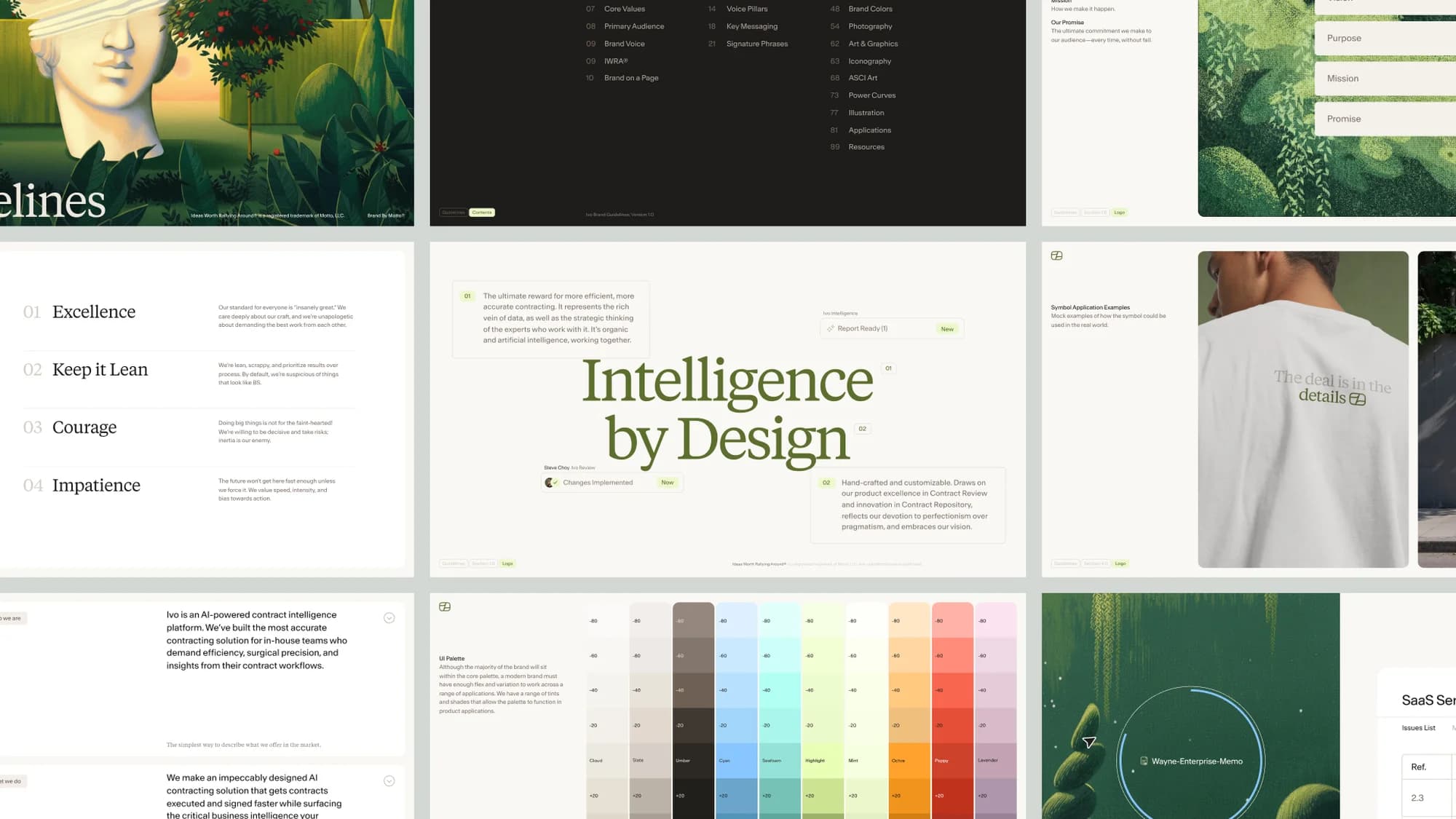
Table of contents
- What Is Brand Governance?
- Why Is Brand Governance So Important?
- The Pillars of Effective Brand Governance
- 1. Clearly Defined Brand Strategy and Identity
- 2. Comprehensive Brand Guidelines
- 3. Centralized Brand Asset Management
- 4. Defined Roles and Responsibilities
- 5. Training and Communication
- 6. Monitoring and Enforcement
- Brand Governance in Action: Mini Case Studies
- Scenario 1: The Growing Startup (Lack of Governance)
- Scenario 2: The Established Corporation (Mature Governance)
- Common Challenges in Brand Governance
- The Role of Technology in Brand Governance
- Conclusion: Your Brand’s Best Friend
What Is Brand Governance?
Ever feel like your brand is a bit of a wild west? You know, different people using different logos, sending out communications that don’t quite sound like “you,” and generally a bit of a mixed bag in terms of how the company presents itself to the world? If that sounds familiar, you’re not alone. Many organizations, especially as they grow, find themselves grappling with this very challenge. This is where the concept of brand governance comes in, and honestly, it’s a game-changer.
Think of brand governance as the conductor of an orchestra. The orchestra has a lot of talented musicians, each playing their own instrument. Without a conductor, you’d have a lot of individual notes, maybe some beautiful melodies, but likely a chaotic and disjointed performance. The conductor, however, ensures everyone plays together, in harmony, following the same sheet music, and ultimately creating a cohesive and powerful symphony. Brand governance does the same for your brand: it brings order, consistency, and strategic alignment to all your brand activities.
So, what exactly is brand governance? At its core, it’s the framework of policies, processes, and responsibilities that ensures your brand is managed effectively, consistently, and in alignment with your overall business objectives. It’s about making sure everyone in the organization, from the intern creating a social media post to the CEO signing off on a major campaign, understands and upholds the brand’s identity and values. It’s the scaffolding that supports your brand’s growth and ensures its long-term health and impact.
Why Is Brand Governance So Important?
Let’s be honest, building a strong brand isn’t just about having a cool logo or a catchy tagline. It’s about creating an emotional connection with your audience, building trust, and differentiating yourself in a crowded marketplace. When your brand presentation is all over the place, it undermines all of that. Imagine meeting someone who presents themselves very differently to different people – you’d likely feel confused and might not fully trust them. The same applies to brands. Inconsistent branding erodes trust, dilutes your message, and ultimately weakens your brand equity. This is where robust brand governance becomes indispensable.
Here are some of the key reasons why brand governance is not just a nice-to-have, but a must-have for any serious organization:
- Consistency is King (and Queen!): This is the most obvious benefit. Brand governance ensures that every touchpoint a customer or stakeholder has with your brand is consistent. This means your visual identity (logos, colors, fonts), your messaging, your tone of voice, and even your customer service experience are all aligned. Think about a global brand like Coca-Cola. No matter where you are in the world, the iconic red and white, the distinctive script, and the overall feeling of happiness and refreshment are remarkably consistent. That’s brand governance in action.
- Building Trust and Credibility: When your brand is consistent, it signals reliability and professionalism. Customers learn to expect a certain experience and a certain quality from your brand. This predictability fosters trust, which is a cornerstone of any successful business relationship. Inconsistent branding, on the other hand, can make your company seem disorganized or even untrustworthy.
- Strengthening Brand Recognition: The more consistently your brand elements appear across all platforms and materials, the more easily people will recognize it. This repeated exposure builds familiarity and reinforces your brand in the minds of your audience. It’s like hearing your favorite song multiple times – it sticks with you.
- Enhancing Brand Equity: Brand equity refers to the value a brand adds to a product or service. Strong, consistent branding contributes significantly to higher brand equity. When people trust and recognize your brand, they are often willing to pay more for your offerings and are more likely to choose you over competitors.
- Improving Internal Alignment and Efficiency: Beyond external perception, brand governance has huge internal benefits. It provides clear guidelines and a central source of truth for all brand assets and rules. This means employees spend less time guessing how to use the logo or what color to use, and more time doing their actual jobs. It streamlines workflows and reduces the risk of errors, saving time and resources. For instance, having a centralized system for brand assets means less time spent searching for the correct file and more time creating impactful marketing materials. This is where understanding what is digital asset management becomes crucial for effective governance.
- Ensuring Legal and Regulatory Compliance: Brand governance often includes policies around intellectual property, trademark usage, and other legal considerations. This helps protect your brand from misuse and ensures you’re operating within legal boundaries, which is vital for long-term stability.
- Facilitating Brand Evolution: While consistency is key, brands aren’t static. They need to evolve to stay relevant. Brand governance provides a structured way to manage this evolution, ensuring that changes are strategic, well-communicated, and don’t disrupt the core brand identity.
The Pillars of Effective Brand Governance
So, how do you actually implement brand governance? It’s not a one-size-fits-all solution, but there are common elements that form the foundation of any successful brand governance strategy. Think of these as the building blocks:
1. Clearly Defined Brand Strategy and Identity
Before you can govern your brand, you need to know what your brand is. This involves a deep understanding of:
- Core Brand Values: What does your brand stand for? What principles guide your actions and decisions? For example, a company focused on sustainability will have core brand values that reflect environmental responsibility.
- Brand Mission and Vision: What is your brand trying to achieve, and what future does it aspire to create?
- Target Audience: Who are you trying to reach? Understanding your audience shapes your messaging and how you present your brand.
- Unique Value Proposition: What makes your brand different and better than the competition?
- Brand Personality and Tone of Voice: How does your brand “speak” and behave? Is it formal or informal, playful or serious, authoritative or approachable?
- Visual Identity: This includes your logo, color palette (understanding things like primary colors basics and their impact is key), typography, imagery style, and any other visual elements that define your brand’s look.
Without a solid, well-articulated brand strategy, any attempt at governance will be like trying to steer a ship without a compass. You need to know your destination before you can plot the course.
2. Comprehensive Brand Guidelines
This is where the “rules of the road” for your brand are documented. Brand guidelines (sometimes called brand books or style guides) are the essential reference document for anyone working with your brand. They should cover:
- Logo Usage: Proper placement, clear space, acceptable variations, and importantly, what not to do with the logo. For instance, the guidelines for a logo like the one for the social media platform which uses a simple, recognizable icon, would specify its use cases and any restrictions.
- Color Palettes: Primary and secondary colors, their usage contexts, and exact specifications (e.g., CMYK, RGB, Hex codes).
- Typography: Approved fonts, their hierarchy, and how to use them in different applications.
- Imagery and Photography: The style, mood, and subject matter of approved imagery.
- Tone of Voice and Messaging: Guidelines on how to write copy that reflects the brand’s personality.
- Application Examples: Showing how the brand elements come together in real-world scenarios like websites, brochures, social media, and presentations.
Well-written brand guidelines examples showcase how to translate abstract brand strategy into practical, actionable instructions. They are the backbone of consistent brand execution.
3. Centralized Brand Asset Management
Imagine trying to run an orchestra where the sheet music is scattered across different rooms, some pages are missing, and nobody knows which version is the latest. Chaos, right? This is precisely why a robust system for managing brand assets is crucial for brand governance. This is where Digital Asset Management (DAM) systems come into play.
A DAM system acts as a single, organized repository for all your brand assets – logos, images, videos, documents, templates, and more. It ensures that:
- Assets are easily accessible: Employees can quickly find the correct, up-to-date versions of the assets they need.
- Assets are properly tagged and categorized: This makes searching and filtering efficient.
- Usage rights are managed: You can control who can access and use certain assets.
- Version control is in place: Everyone is using the latest approved versions, preventing outdated materials from being used.
- Brand compliance is easier to enforce: By providing approved assets and templates, you reduce the likelihood of off-brand usage.
For many organizations, a media library software, the smarter way to manage brand assets, is the technological backbone of effective brand governance. It enables efficient digital asset management workflows, ensuring that the right assets are in the right hands at the right time. This is fundamentally different from simpler solutions like cloud storage, as dedicated DAM platforms are built with brand-specific needs in mind.
4. Defined Roles and Responsibilities
Who is responsible for what when it comes to the brand? Brand governance requires clear ownership. This might involve:
- A Brand Manager or Team: Typically responsible for overseeing the brand strategy, developing guidelines, and ensuring compliance.
- Brand Champions: Individuals within different departments who act as liaisons, ensuring their teams adhere to brand standards.
- Legal and Marketing Departments: Collaborating on compliance and asset usage.
- All Employees: While not directly responsible for governance, every employee has a role in upholding the brand through their daily interactions.
Understanding what is brand stewardship is closely related here, as it often involves individuals or teams acting as caretakers and advocates for the brand’s integrity and strategic direction.
5. Training and Communication
Even the most comprehensive guidelines and sophisticated systems are useless if people don’t know about them or how to use them. Effective brand governance includes ongoing training and communication to ensure everyone understands:
- The brand’s strategy and values.
- How to access and use brand assets.
- The importance of brand consistency.
- Where to go for questions or clarification.
Regular communication, workshops, and readily available resources (like your DAM and brand guidelines) are key to embedding brand governance into the company culture.
6. Monitoring and Enforcement
Governance isn’t a set-it-and-forget-it kind of thing. It requires ongoing monitoring to ensure compliance. This might involve:
- Regular audits of marketing materials and communications.
- Reviewing external-facing content.
- Having a process for addressing and correcting off-brand instances.
- Gathering feedback on how the brand is being perceived and used.
This also ties into brand compliance, ensuring that all brand activities meet established standards and legal requirements.
Brand Governance in Action: Mini Case Studies
Let’s look at a couple of scenarios to illustrate how brand governance (or the lack thereof) plays out:
Scenario 1: The Growing Startup (Lack of Governance)
A tech startup, “InnovateNow,” experiences rapid growth. Their initial branding was done by a freelance designer. As new teams are formed, marketing, sales, and product development start creating their own materials. The design team keeps updating the logo, but older versions are still floating around. The marketing team uses a vibrant, bold color palette, while sales prefers more muted, corporate tones. Social media posts use a mix of fonts. Customers start seeing inconsistent messaging and visual representation, leading to confusion about InnovateNow’s core identity and making them appear less professional than they actually are.
The Fix: InnovateNow realizes the problem. They hire a brand manager, develop a comprehensive set of brand guidelines (including how to use colors like vibrant blues which can convey trust and professionalism, or more subdued tones depending on context), implement a DAM system for all their assets, and conduct training sessions for all employees. Suddenly, everyone has access to the single source of truth for their brand.
Scenario 2: The Established Corporation (Mature Governance)
A large financial institution, “GlobalTrust,” has a long history and a well-established brand. They have a dedicated brand governance team that works closely with all departments. Their brand guidelines are extensive and regularly updated. All marketing materials, internal communications, and even employee email signatures are managed through a controlled system. When a new product is launched, the marketing team uses pre-approved templates and assets from the DAM, ensuring perfect alignment with GlobalTrust’s established identity. This consistent presentation builds immense trust with their clientele, who associate GlobalTrust with stability and reliability.
The Advantage: While this might seem rigid, GlobalTrust’s strong governance ensures every interaction reinforces their core values and builds long-term brand equity. They can still innovate and adapt, but it’s done in a controlled, strategic manner that protects their established reputation.
Common Challenges in Brand Governance
Implementing and maintaining effective brand governance isn’t always a walk in the park. Here are some common hurdles:
- Resistance to Change: Employees might be used to their old ways of doing things and resist new processes or guidelines.
- Lack of Understanding: If the “why” behind brand governance isn’t clearly communicated, people may not see its value.
- Resource Constraints: Implementing and maintaining governance can require investment in technology and personnel.
- Decentralized Organizations: In companies with many autonomous departments or global offices, ensuring consistent application can be challenging.
- Rapid Growth: As seen in the startup example, rapid scaling can outpace the development of governance structures.
- “Creative Freedom” vs. Consistency: Finding the right balance between allowing for creative expression and maintaining brand integrity can be a delicate act.
Addressing these challenges requires strong leadership buy-in, clear communication, and a commitment to continuous improvement.
The Role of Technology in Brand Governance
As we’ve touched upon, technology plays a pivotal role in modern brand governance. While manual processes might have sufficed for smaller organizations in the past, the complexity and scale of today’s businesses necessitate smart solutions.
A comprehensive brand asset management platform can automate many of the tedious and error-prone aspects of governance. It can:
- Serve as the single source of truth for all brand assets.
- Provide version control to ensure only approved assets are used.
- Facilitate easy sharing and distribution of assets.
- Integrate with other tools (like design software or content management systems) to streamline workflows.
- Offer reporting and analytics to track asset usage and compliance.
- Help manage user permissions and access levels.
This technological backbone empowers teams to adhere to brand guidelines more easily, freeing them up to focus on creative and strategic work. It’s about making governance practical and accessible, not a bureaucratic hurdle.
Conclusion: Your Brand’s Best Friend
Brand governance is more than just a set of rules; it’s a strategic approach to managing your brand’s most valuable asset. It ensures that your brand consistently communicates its promise, builds trust with its audience, and supports your overarching business goals. It’s the unseen architect that ensures every brick, every color, and every word aligns to create a strong, recognizable, and reputable presence in the market.
Think of it as an investment in your brand’s future. By establishing clear guidelines, centralizing your assets, and fostering a culture of brand awareness, you’re not just preventing mistakes; you’re actively building a stronger, more resilient, and more impactful brand that can stand the test of time and competition. So, if you’re looking to elevate your brand’s presence and ensure its long-term success, it’s time to embrace the power of brand governance.
Saurabh Kumar
Founder, BrandKity
Saurabh writes about practical brand systems, faster client handoffs, and scalable workflows for designers and agencies building repeatable delivery operations.
Connect on LinkedIn