Pdf Brand Guidelines Vs Modern Brand Systems
PDF Brand Guidelines Vs. Modern Brand Systems: Is Your Brand Stuck in the Past? Hey there! Let’s talk about something that’s probably sitting on a lot of your team’s hard drives or buried deep in a shared drive: the PDF brand guidelines. You know the one. It’s probably a beautifully designed, multi-page document that meticulously
Table of contents
- PDF Brand Guidelines Vs. Modern Brand Systems: Is Your Brand Stuck in the Past?
- The Humble PDF: A Beloved, But Limited, Relic?
- The Limitations of the PDF Approach:
- Enter the Modern Brand System: A Dynamic Ecosystem
- Key Components of a Modern Brand System:
- Bridging the Gap: When Does a PDF Become a Bottleneck?
- The Cost of Brand Chaos
- Making the Leap: From PDF to Brand System
- The Future is Integrated and Dynamic
PDF Brand Guidelines Vs. Modern Brand Systems: Is Your Brand Stuck in the Past?
Hey there! Let’s talk about something that’s probably sitting on a lot of your team’s hard drives or buried deep in a shared drive: the PDF brand guidelines. You know the one. It’s probably a beautifully designed, multi-page document that meticulously outlines your logo usage, color palettes, typography, and maybe even some do’s and don’ts. It’s the traditional way brands have communicated their identity for years. But in today’s fast-paced, digitally-driven world, is a static PDF still cutting it? Or are we ready to talk about something more dynamic, more integrated, and frankly, more effective? We’re talking about modern brand systems.
Think of it this way: remember when you used to create presentations by painstakingly downloading individual images, resizing them, and then pasting them into a slide deck one by one? It worked, but it was slow, prone to errors, and a nightmare to update. Then came better ways to manage and integrate assets. The same shift is happening with how we manage and distribute our brand identity.
This isn’t about saying PDFs are inherently bad. For many years, they were the best tool we had. They’re excellent for providing a comprehensive overview, a single source of truth that can be easily shared. But the world hasn’t stopped evolving, and neither should our approach to branding. If your brand is still solely relying on a PDF to communicate its identity, you might be inadvertently creating friction, limiting creativity, and even risking brand inconsistency. Let’s dive into why this is happening and what the modern alternative looks like.
The Humble PDF: A Beloved, But Limited, Relic?
Let’s give credit where credit is due. PDF brand guidelines, or brand standards guides as they are also known, served a crucial purpose. They were instrumental in:
- Standardization: Providing a clear, definitive reference for how the brand should look and feel.
- Accessibility (in theory): Easy to download and share with internal teams, external agencies, and partners.
- Comprehensive Detail: Allowing for extensive explanations, examples, and even historical context of the brand’s visual elements.
- Brand Protection: Establishing rules to prevent misuse of logos, colors, and other brand assets, contributing to overall brand risk management and brand trust.
Imagine a company launching a new product line. Before PDFs, getting everyone on the same page visually could be a chaotic mess. The PDF became the superhero, swooping in to save the day with clear rules. It was a fantastic step forward in bringing order to the visual representation of a brand.
However, like a trusty old flip phone, the PDF has its limitations in the age of smartphones and super-apps. The core issue is its static nature. It’s a snapshot in time, a document that’s created and then, often, forgotten until a major rebrand or a minor update is needed.
The Limitations of the PDF Approach:
Let’s break down the pain points that many organizations experience with PDF-based brand guidelines:
- Outdated Information: This is the big one. PDFs are static. If your logo gets a slight tweak, your primary color shifts, or you introduce a new font family, the PDF needs to be re-edited, re-exported, and then re-distributed. How many times have you seen a PDF from two years ago being used, even though the brand has evolved since then? It’s like using a map from the Stone Age to navigate modern highways.
- Difficult to Access Assets: A PDF can show you the correct logo or color hex code, but it can’t easily give you the actual logo file (in the right format and resolution) or the exact color value that’s ready to drop into design software. This forces users to manually recreate assets, leading to inconsistencies. For example, a designer might try to sample a color from a PDF, only to get a slightly off hue due to screen rendering or PDF conversion.
- Poor User Experience: Navigating a long PDF to find a specific piece of information can be tedious. Imagine a new marketing intern needing to find the correct social media avatar. They have to scroll through pages of logo variations, sometimes skipping over entire sections on typography or illustration style. It’s not designed for quick, on-demand access.
- Limited Interactivity: PDFs are generally not interactive. You can’t click on a color swatch to copy its HEX code, click on a font name to download it (if it’s licensed for download), or click on a logo to download it in various formats. This lack of interactivity adds extra steps and potential for errors.
- Version Control Nightmares: When multiple versions of a PDF exist, how do you ensure everyone is using the latest and correct one? It often becomes a game of “which file is the most recent?” leading to confusion and the use of outdated assets. This is a significant contributor to the cost of brand chaos and content efficiency.
- Lack of Integration: A PDF lives in isolation. It’s not connected to your actual brand assets or the tools your team uses daily, like design software, presentation tools, or content management systems.
- “Set it and Forget it” Mentality: Because updating a PDF is a chore, brands often treat their guidelines as a one-time project rather than an evolving, living document. This can lead to stagnation and a disconnect between the brand’s actual execution and its intended identity.
Think about a large enterprise with multiple departments and global teams. Distributing and ensuring adherence to a PDF across hundreds or thousands of employees is a logistical Herculean task. It’s like trying to herd cats with a very old, very fragile shepherd’s crook.
Enter the Modern Brand System: A Dynamic Ecosystem
So, if the PDF is becoming a bit of a relic, what’s the upgrade? It’s the concept of a brand system. A brand system is more than just a set of guidelines; it’s a holistic framework that governs how a brand is expressed across all touchpoints. It’s a living, breathing entity that’s designed to be integrated, accessible, and adaptable.
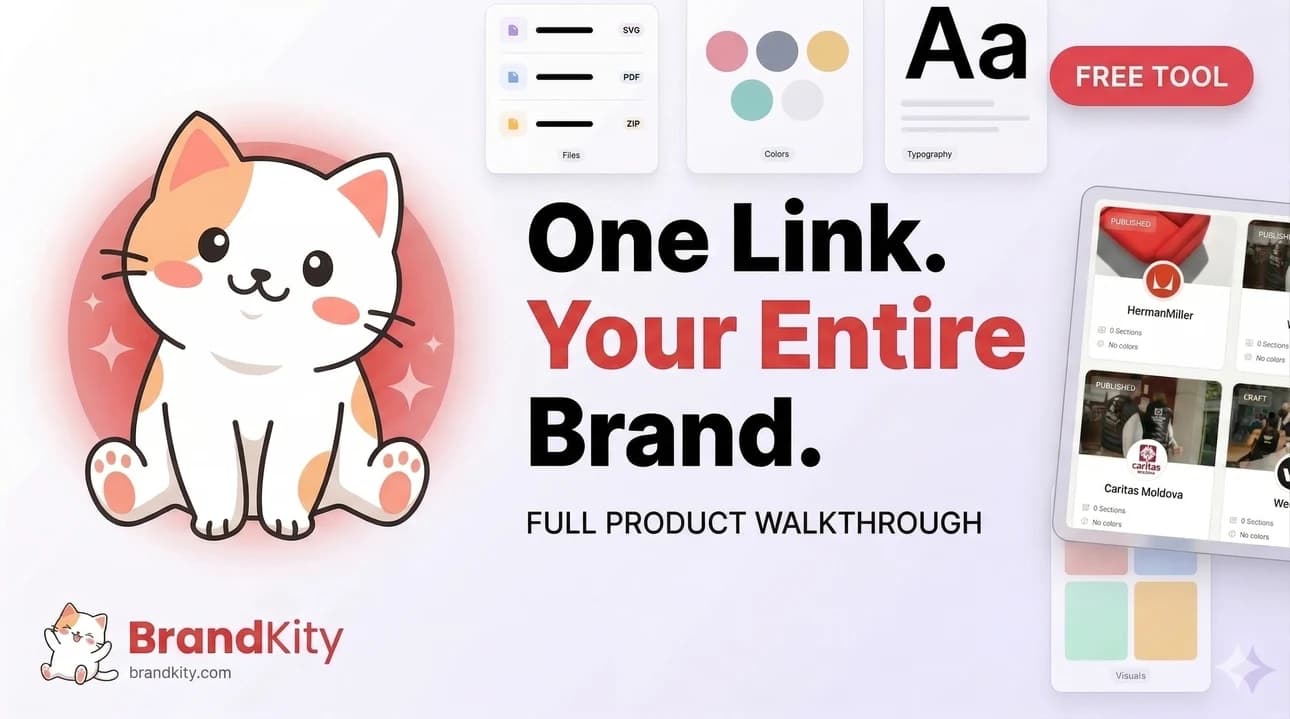
Instead of a static document, a brand system is often powered by a dedicated platform – essentially, a central hub for all your brand assets and their associated rules. This platform acts as the single source of truth, but with a crucial difference: it’s dynamic and interactive.
Consider a brand system like a well-oiled machine. Every part is designed to work seamlessly with the others, and it’s constantly being monitored and maintained to ensure optimal performance. When a new component is needed, it’s easily integrated, and the entire machine benefits.
Key Components of a Modern Brand System:
What makes a brand system so much more powerful than a PDF?
- Centralized Digital Asset Management (DAM): At the heart of a brand system is a robust DAM. This is where all your brand assets – logos, images, videos, icons, fonts, templates, and more – are stored, organized, and managed. It’s not just a file repository; it’s intelligent storage. For instance, you can find specific images for campaigns using AI-powered search, a capability that’s revolutionizing how we manage content. This is where Enterprise AI Search for Modern Businesses truly shines.
- Live, Interactive Guidelines: Instead of a PDF, the guidelines are often presented in a web-based, interactive format. You can click on a color to copy its HEX, RGB, or CMYK values. You can preview logos in different contexts. You can see animated examples of how typography should be applied. It’s an engaging and efficient way to learn and apply brand standards.
- Direct Asset Download and Usage: Users can directly download the assets they need, in the correct format and resolution, right from the platform. Need a JPEG logo for a social media post? Download it. Need a high-res EPS for print collateral? Download it. This eliminates the need to recreate or hunt for files, drastically reducing errors and saving time. This is a fundamental aspect of effective company image management.
- Version Control and Audit Trails: The platform automatically manages versions, ensuring everyone is always accessing the latest approved assets and guidelines. You can also track who accessed what and when, which is invaluable for compliance and auditing.
- Template Libraries: Pre-approved templates for common marketing materials (presentations, social media graphics, documents) are often included. Users can select a template, populate it with their content, and ensure it adheres to brand standards without needing a designer for every small task.
- Integration Capabilities: Modern brand systems can often integrate with other tools your team uses, such as design software (like Adobe Creative Cloud), content management systems (CMS), or productivity suites. This creates a seamless workflow, reducing friction and ensuring brand consistency from creation to publication. Think about how a CMS DAM integration can streamline content workflows.
- Scalability and Collaboration: As your brand grows and your team expands, a brand system scales with you. It provides a consistent experience for everyone, regardless of their location or department. This is particularly important for large organizations or those with distributed teams, making it a powerful tool in sectors like hospitality, where consistent guest experiences are paramount, as seen in our discussion on Digital Asset Management for Hospitality.
- Brand Governance and Compliance: Beyond just aesthetics, brand systems can embed rules and checks to ensure compliance, reducing the risk of off-brand content and protecting brand integrity. This is crucial for comprehensive brand risk management.
Think of it like this: instead of giving your team a cookbook (the PDF) and telling them to follow the recipes, you’re giving them a fully equipped professional kitchen with all the ingredients pre-measured, the tools readily available, and interactive cooking lessons at their fingertips. They can still be creative, but they’re guided by best practices and have everything they need to succeed.
Bridging the Gap: When Does a PDF Become a Bottleneck?
So, when should you consider moving beyond the PDF? Here are some tell-tale signs:
- Frequent Brand Updates: If your brand is dynamic and undergoes regular small updates (new product launches, seasonal campaigns, evolving messaging), managing these through PDF revisions becomes a significant burden.
- Inconsistent Brand Application: Are you seeing logos used incorrectly, colors that are slightly off, or fonts that are substituted across different marketing materials? This is a direct indicator that your current method of distributing guidelines isn’t effective.
- Wasted Time and Resources: Are your designers spending too much time answering basic brand questions or recreating assets that should be readily available? Are your marketing teams struggling to find the right files? This is a clear sign of inefficiency.
- Difficulty Onboarding New Team Members: Is it a struggle to get new hires up to speed on brand standards? A clunky PDF can be overwhelming and hard to navigate.
- Decentralized Teams or Agencies: If you work with multiple external agencies or have a large, distributed internal team, ensuring everyone has access to the latest and correct brand assets and guidelines becomes exponentially harder with PDFs.
- Lack of Measurable Brand Impact: It’s hard to track the effectiveness or adoption of your brand guidelines when they are locked away in static documents.
Consider a global retail brand. They might have hundreds of product SKUs, each with its own variations, and dozens of marketing campaigns running concurrently across different regions. Trying to manage all the visual assets and ensure brand consistency through PDF updates would be an absolute nightmare. They need a system that allows for quick creation, adaptation, and distribution of assets.
The Cost of Brand Chaos
It’s worth reiterating the tangible costs associated with relying on outdated or ineffective brand management. The “cost of brand chaos” isn’t just about aesthetically displeasing marketing materials. It translates to:
- Lost Productivity: Time spent searching for assets, recreating them, or correcting errors is time that could be spent on strategic work.
- Wasted Marketing Spend: Off-brand campaigns can dilute brand message, confuse customers, and ultimately result in less effective marketing efforts.
- Damaged Brand Perception: Inconsistency erodes trust and professionalism. If a brand can’t even present itself consistently, why should customers trust its products or services?
- Increased Risk: Misuse of logos or other brand elements can lead to legal issues or brand dilution.
A well-implemented brand system directly combats these issues by streamlining workflows, ensuring accuracy, and empowering teams to create on-brand content efficiently. It’s not just a nice-to-have; it’s a strategic imperative for modern businesses.
Making the Leap: From PDF to Brand System
Transitioning from PDF guidelines to a comprehensive brand system might seem like a significant undertaking. And yes, it requires planning and investment. However, the long-term benefits – increased efficiency, stronger brand consistency, reduced risk, and empowered teams – far outweigh the initial effort.
The first step is often an audit of your current brand assets and how they are managed. Understanding what you have, where it’s stored, and who uses it is crucial. This is where a thorough Digital Asset Management checklist can be incredibly helpful.
Then, it’s about selecting the right tools and strategies to build your system. This might involve:
- Implementing a dedicated brand asset management platform.
- Consolidating and organizing all your existing brand assets.
- Creating interactive, web-based brand guidelines.
- Developing a strategy for ongoing asset management and updates.
- Training your teams on how to use the new system.
Think about this as an investment in your brand’s future. Just as you wouldn’t build a modern house with outdated tools and materials, you shouldn’t be managing a modern brand with outdated systems.
The Future is Integrated and Dynamic
The world of branding is constantly evolving. The static PDF brand guidelines, while historically important, are increasingly becoming a bottleneck for businesses aiming for agility, consistency, and efficiency. Modern brand systems, powered by integrated platforms and dynamic accessibility, offer a solution that empowers teams, protects brand integrity, and ultimately drives better business outcomes.
If you find yourself wrestling with outdated PDFs, struggling to ensure brand consistency across various touchpoints, or simply feeling like your brand management process is more of a chore than a strategic advantage, it might be time to consider the leap. Embracing a modern brand system isn’t just about upgrading your tools; it’s about upgrading your entire approach to building and managing a powerful, resonant brand in today’s complex world.
Saurabh Kumar
Founder, BrandKity
Saurabh writes about practical brand systems, faster client handoffs, and scalable workflows for designers and agencies building repeatable delivery operations.
Connect on LinkedIn