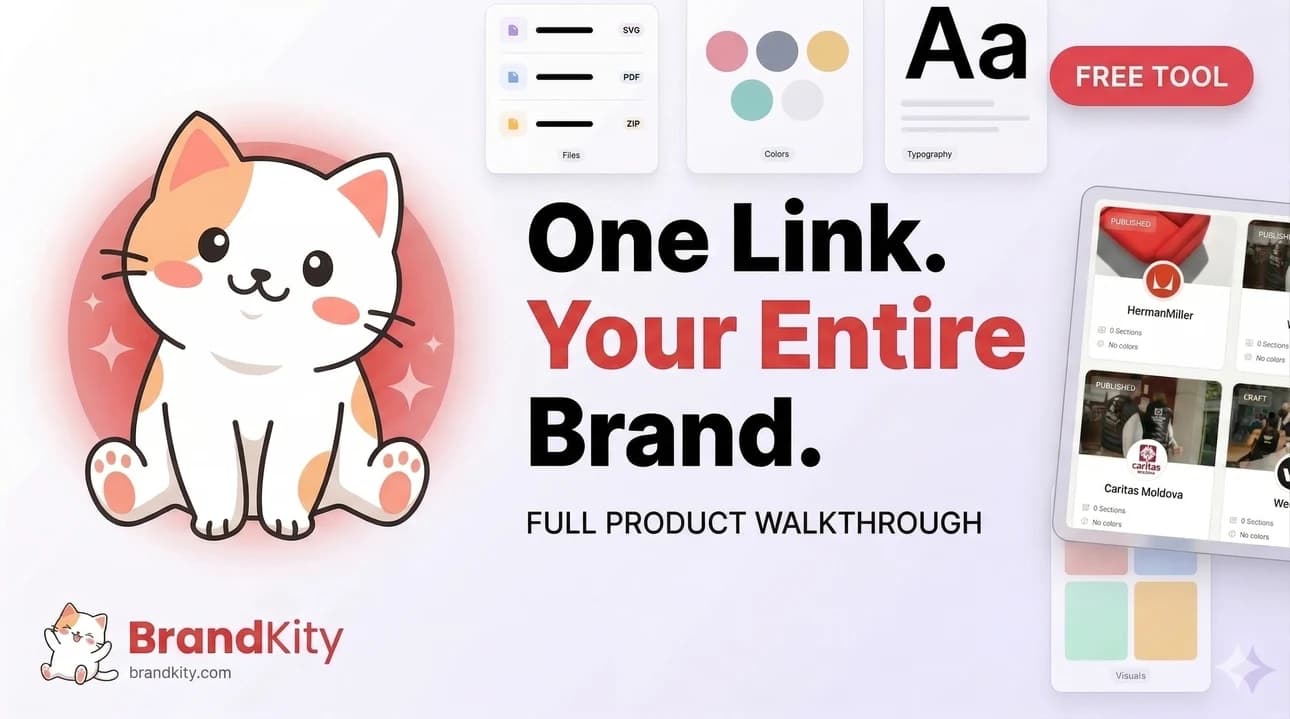
Multi-Brand Architecture: A Holistic Approach to Managing Multiple Brands
Multi-Brand Architecture: A Holistic Approach to Managing Multiple Brands Running one successful brand can feel like juggling chainsaws while riding a unicycle. Now, imagine doing that with several. For many businesses, especially those that have grown through acquisition, diversification, or by targeting different market segments, managing multiple brands isn’t just a possibility – it’s a

Table of contents
- Multi-Brand Architecture: A Holistic Approach to Managing Multiple Brands
- What Exactly is a Multi-Brand Architecture?
- Why is a Solid Multi-Brand Architecture So Important?
- 1. Enhanced Brand Clarity and Consistency
- 2. Improved Marketing Efficiency and ROI
- 3. Streamlined Brand Asset Management
- 4. Easier Mergers, Acquisitions, and Divestitures
- 5. Enhanced Employee Brand Engagement
- Building Your Multi-Brand Architecture: A Step-by-Step Approach
- 1. Audit Your Existing Brands
- 2. Define Your Overarching Corporate Brand Strategy
- 3. Map Out Brand Relationships
- 4. Develop Brand Guidelines for Each Level
- 5. Implement a Centralized Brand Asset Management System
- 6. Train Your Teams and Stakeholders
- 7. Monitor, Evaluate, and Adapt
- Common Pitfalls to Avoid
- The Brandkity Advantage for Multi-Brand Management
- Conclusion
Multi-Brand Architecture: A Holistic Approach to Managing Multiple Brands
Running one successful brand can feel like juggling chainsaws while riding a unicycle. Now, imagine doing that with several. For many businesses, especially those that have grown through acquisition, diversification, or by targeting different market segments, managing multiple brands isn’t just a possibility – it’s a reality. And if not handled strategically, it can quickly descend into chaos. That’s where the concept of a ‘multi-brand architecture’ comes in. Think of it as the blueprint for how your different brands live, breathe, and interact under one overarching corporate umbrella.
At Brandkity, we’ve seen firsthand the power of a well-defined brand strategy, and when you’re dealing with multiple brands, that strategy needs to be robust, cohesive, and incredibly organized. It’s not just about having a few different logos; it’s about understanding the unique identity of each brand, how they connect (or intentionally don’t connect) to each other, and how they all contribute to the overall corporate vision and value. Let’s dive into what a multi-brand architecture is, why it’s so crucial, and how you can build one that works for you.
What Exactly is a Multi-Brand Architecture?
Simply put, a multi-brand architecture defines the relationship between a parent company and its individual brands. It’s the strategic framework that dictates how these brands are positioned in the market, how they are presented visually and verbally, and how their assets are managed and distributed. It’s about creating clarity, consistency, and efficiency across your entire brand portfolio.
Imagine a large department store. They might have a main store brand (like Macy’s or Nordstrom), but within that store, they might also have in-house brands for clothing, home goods, or cosmetics, each with its own distinct identity and target audience. The architecture explains how these sub-brands relate to the main store brand. Are they extensions of the main brand, or are they entirely separate entities operating under the same roof?
There are generally a few common types of multi-brand architectures:
- Branded House: This is where the parent company’s brand is the dominant force. All individual products or services are presented under the same master brand. Think of FedEx – they have FedEx Express, FedEx Ground, FedEx Freight, all clearly branded under the FedEx umbrella. The parent brand adds credibility and awareness to each offering.
- House of Brands: In this model, the parent company operates a portfolio of distinct brands, each with its own identity, target audience, and marketing strategy. The parent company name is often invisible to the end consumer. Procter & Gamble is a classic example, owning brands like Pampers, Tide, Gillette, and Crest, which are all independent in the eyes of the consumer.
- Hybrid (or Endorsed) Brands: This is a blend of the two. Individual brands have their own strong identities, but they are also “endorsed” or supported by the parent brand. This gives the individual brand autonomy while leveraging the parent company’s reputation. Think of Marriott’s hotel brands – they have distinct identities (e.g., The Ritz-Carlton, Courtyard by Marriott, Westin), but they are all clearly part of the Marriott family.
Understanding which architecture best suits your business is the first step. It influences everything from marketing campaigns and product development to internal communication and asset management.
Why is a Solid Multi-Brand Architecture So Important?
You might be thinking, “My brands are doing fine on their own. Why bother with a formal architecture?” Well, a well-defined architecture isn’t just about making things look pretty or organized; it has tangible business benefits. It’s about safeguarding your investments and setting yourself up for sustainable growth. Investing in your brand, no matter how many you have, is paramount to long-term success.
1. Enhanced Brand Clarity and Consistency
Imagine a customer encountering one of your brands at a trade show, then seeing another at a retail store, and then encountering a third online. If each brand looks and sounds wildly different, without any discernible connection or common thread, it can be confusing. A strong architecture ensures that even if brands are distinct, they maintain a level of consistency in their core messaging, visual identity, and overall customer experience. This builds trust and recognition.
Mini Case Study: The Tech Conglomerate
A large tech company acquired several smaller software companies over the years. Each acquisition came with its own branding, marketing materials, and internal processes. Initially, they operated as independent entities. However, marketing teams started noticing a disconnect. Sales collateral for one product didn’t align with the overall company’s message, and the brand assets were all over the place. By implementing a hybrid brand architecture, they standardized core brand guidelines for the parent company while allowing each acquired brand to retain its unique identity. This meant that while the product names were distinct (e.g., “InnovateSuite,” “SynergyPro”), they all featured a shared design element and a consistent tagline referencing the parent company’s commitment to innovation. This immediately improved brand recognition and simplified cross-selling efforts.
2. Improved Marketing Efficiency and ROI
When you have a clear understanding of your brand architecture, you can streamline your marketing efforts. Instead of reinventing the wheel for each brand, you can identify shared resources, templates, and strategies. This leads to significant cost savings and more effective campaign execution. Think about all the marketing collateral types you might need – from brochures and presentations to social media graphics and videos. Having standardized templates and guidelines for each brand, or for groups of brands, drastically reduces creation time and ensures brand adherence.
Furthermore, understanding your brand architecture helps you avoid cannibalizing your own market share. By clearly defining the target audience and positioning for each brand, you prevent them from directly competing with each other for the same customers. This is crucial for maximizing your overall marketing efficiency and improving your return on investment.
3. Streamlined Brand Asset Management
This is where Brandkity truly shines. Managing logos, brand guidelines, imagery, videos, and other creative assets for multiple brands can quickly become a logistical nightmare. Without a centralized system, assets get lost, outdated versions are used, and brand consistency suffers. A robust multi-brand architecture, supported by a comprehensive brand asset management platform, is essential.
Imagine your design team needing to find the latest approved logo for Brand A’s new campaign. If assets are scattered across shared drives, individual computers, and email inboxes, it’s a time-consuming and error-prone process. With a dedicated platform, all approved assets for Brand A, Brand B, and Brand C are organized, tagged, and readily accessible to authorized users. This ensures everyone is using the correct, up-to-date materials, saving countless hours and preventing costly mistakes.
4. Easier Mergers, Acquisitions, and Divestitures
Businesses evolve. Growth often comes through acquiring other companies. When this happens, integrating new brands into your existing portfolio can be challenging. A pre-existing, well-defined multi-brand architecture makes this process smoother. You have a framework to assess how the new brand fits in, what adjustments are needed, and how to incorporate its assets and identity. Conversely, if you need to divest a brand, a clear architecture helps in cleanly separating its assets and identity.
Consider a company that acquires another business. If their brand architecture is well-established, they can quickly determine if the new brand will operate as a ‘Branded House’ extension, a ‘House of Brands’ entity, or an ‘Endorsed’ brand. This allows for a faster, more strategic integration, minimizing disruption and maximizing the value of the acquisition.
5. Enhanced Employee Brand Engagement
Your employees are your brand’s biggest ambassadors. When they understand the different brands within the company, their purpose, and how they fit together, they can better represent them. A clear multi-brand architecture fosters internal alignment and can significantly boost employee brand engagement. This is vital for a strong employer brand, attracting top talent and creating a unified company culture.
When employees understand the ‘why’ behind each brand and how their work contributes to the overall success of the portfolio, they feel more connected and motivated. This can be particularly impactful in larger organizations where employees might only interact with a fraction of the company’s offerings.
Building Your Multi-Brand Architecture: A Step-by-Step Approach
So, how do you go about creating or refining your multi-brand architecture? It’s a strategic process that requires careful consideration and planning. It’s not a one-size-fits-all solution, but here’s a general roadmap:
1. Audit Your Existing Brands
Before you can build a house, you need to survey the land. The first step is to thoroughly audit all your current brands. This involves:
- Identifying each brand: List every product line, service, or distinct market offering that operates under its own brand identity.
- Understanding their purpose and target audience: What is the unique value proposition of each brand? Who are they trying to reach?
- Assessing their current positioning: How are they perceived in the market? What are their strengths and weaknesses?
- Evaluating their visual and verbal identity: Do they have established logos, color palettes, typography, and brand voice?
- Inventorying existing assets: What marketing materials, digital assets, and other brand collateral do you have for each?
This audit will reveal any overlaps, inconsistencies, or brands that might be underperforming or redundant. It’s also a good time to consider if any brands need a refresh. Sometimes, a clear understanding of the current state can inform the need for a full brand transformation.
2. Define Your Overarching Corporate Brand Strategy
What is the vision and mission of your parent company? What are its core values? Your multi-brand architecture should align with and support this overarching strategy. Ask yourself:
- What is the overall identity you want the parent company to project?
- What are the strategic goals for your entire brand portfolio?
- How do you want the parent brand to be perceived in relation to its sub-brands?
This is where you decide whether a ‘Branded House,’ ‘House of Brands,’ or ‘Hybrid’ model is most appropriate. For example, if your parent company is known for innovation and quality, and you want to leverage that reputation across all offerings, a ‘Branded House’ approach might be best. If your brands target very different, niche markets and you want to avoid diluting their specific appeal, a ‘House of Brands’ approach might be more suitable.
3. Map Out Brand Relationships
Once you’ve audited your brands and defined your corporate strategy, you can start mapping out the relationships between your parent brand and its sub-brands. This is where you’ll solidify which architecture type applies to which brand or group of brands.
Analogy: The Orchestra Conductor
Think of the parent brand as the conductor of an orchestra. The different instruments (brands) each have their own unique sound and role. The conductor ensures they play in harmony, follow the same score (strategy), and produce a beautiful, cohesive piece of music (overall brand portfolio). In a ‘Branded House’ orchestra, all instruments play under one main name, perhaps with subtle variations. In a ‘House of Brands’ orchestra, each instrument might be a solo artist with its own distinct genre, but they all belong to the same performance company.
4. Develop Brand Guidelines for Each Level
This is where the rubber meets the road. You’ll need comprehensive brand guidelines. These should be tiered:
- Master Brand Guidelines: For the parent company, defining its core identity, values, and how it interacts with its sub-brands.
- Individual Brand Guidelines: For each distinct sub-brand, detailing its specific visual identity (logos, colors, typography), tone of voice, messaging pillars, and how it should be presented in various contexts.
- Architecture-Specific Guidelines: If you have a hybrid model, you might have guidelines on how and when the parent brand should be “endorsed” on sub-brand materials.
These guidelines are your rulebook, ensuring consistency and quality across all touchpoints. They should cover everything from logo usage and color palettes to typography, imagery style, and even tone of voice for copywriting. A comprehensive brand identity checklist can be incredibly helpful here.
5. Implement a Centralized Brand Asset Management System
This cannot be stressed enough. To effectively manage multiple brands, you need a single source of truth for all your brand assets. A robust brand asset management platform allows you to:
- Store and organize all brand assets (logos, images, videos, documents, templates, etc.) for each brand.
- Control access and permissions, ensuring only authorized users can download or use specific assets.
- Maintain version control, so everyone is always using the latest approved assets.
- Tag and categorize assets for easy searching and retrieval.
- Distribute assets efficiently to internal teams, external agencies, and partners.
- Track asset usage and performance.
This is fundamental to maintaining consistency and efficiency, especially when dealing with a large number of brands and a global team. It’s the backbone of any successful multi-brand strategy.
6. Train Your Teams and Stakeholders
Having the best architecture and the most sophisticated platform won’t matter if your teams don’t understand how to use them. Conduct thorough training sessions for marketing, design, sales, product development, and any other relevant departments. Ensure everyone understands the brand architecture, the individual brand identities, and how to access and use brand assets correctly.
Internal workshops, accessible online training modules, and regular Q&A sessions can all contribute to successful adoption. Remember, strong employee brand engagement starts with clear communication and education.
7. Monitor, Evaluate, and Adapt
The market is constantly changing, and so are consumer preferences. Your multi-brand architecture should not be set in stone. Regularly review its effectiveness:
- Are your brands still resonating with their target audiences?
- Is the architecture helping you achieve your business objectives?
- Are there any brands that are underperforming or no longer fit the overall strategy?
- Are there opportunities to consolidate or introduce new brands?
Be prepared to make adjustments. This might involve minor tweaks to brand guidelines, a rebranding of a specific product, or even a strategic decision to divest a brand that no longer serves your purpose. Staying agile is key to long-term success. Sometimes, a full rebranding questionnaire can help identify these needs.
Common Pitfalls to Avoid
While building a multi-brand architecture offers immense benefits, there are common traps that businesses fall into:
- Lack of Clear Ownership: Who is responsible for each brand’s strategy and execution? Ambiguity leads to confusion and inaction.
- Inconsistent Application: Even with great guidelines, if they aren’t enforced, brands can drift apart.
- Ignoring the Parent Brand: In a ‘House of Brands’ model, it’s tempting to completely ignore the parent. However, the parent brand’s reputation still matters and can be leveraged strategically.
- Over-Complication: Trying to create too many distinct sub-brands or overly complex relationships can dilute focus and resources.
- Neglecting the Digital Landscape: Ensuring each brand has a strong, consistent online presence across all digital channels is vital.
- Failing to Integrate Technology: Without a proper brand asset management system, managing multiple brands is a losing battle.
The Brandkity Advantage for Multi-Brand Management
At Brandkity, we understand the complexities of managing multiple brands. Our platform is designed to be the central hub for all your brand assets, providing the organization, control, and accessibility needed to make your multi-brand architecture a success. Whether you’re operating a ‘Branded House,’ ‘House of Brands,’ or ‘Hybrid’ model, Brandkity offers the tools to:
- Create dedicated spaces for each brand within your account.
- Upload and organize all brand assets with robust tagging and categorization.
- Set granular permissions to control who sees and uses what.
- Ensure brand consistency by providing easy access to the latest approved logos, templates, and guidelines.
- Streamline distribution to internal teams and external partners.
- Generate reports on asset usage and brand compliance.
This level of control and efficiency is invaluable when you’re juggling the identities and assets of numerous brands. It frees up your teams to focus on strategic growth and creative execution rather than getting bogged down in administrative tasks.
Conclusion
Managing multiple brands is a significant undertaking, but with a well-defined multi-brand architecture, it can be a source of strength and competitive advantage. It’s about creating order from potential chaos, ensuring consistency, maximizing efficiency, and ultimately, building stronger, more resilient brands. By taking a holistic approach, auditing your existing landscape, defining clear relationships, and leveraging the right technology, you can build a powerful brand portfolio that drives business growth and resonates with your target audiences.
Don’t let your brands operate in silos. Embrace the power of a unified strategy. Start by evaluating your current setup and envisioning the cohesive brand ecosystem you can build. The journey to a successful multi-brand architecture begins with a clear vision and the right tools to bring it to life.
Saurabh Kumar
Founder, BrandKity
Saurabh writes about practical brand systems, faster client handoffs, and scalable workflows for designers and agencies building repeatable delivery operations.
Connect on LinkedIn