
Lingo Alternative: Better Brand Delivery for Creative Teams
In the dynamic landscape of 2026, creative teams, from nimble startups to established agencies, face an unprecedented challenge: managing and deliveri…
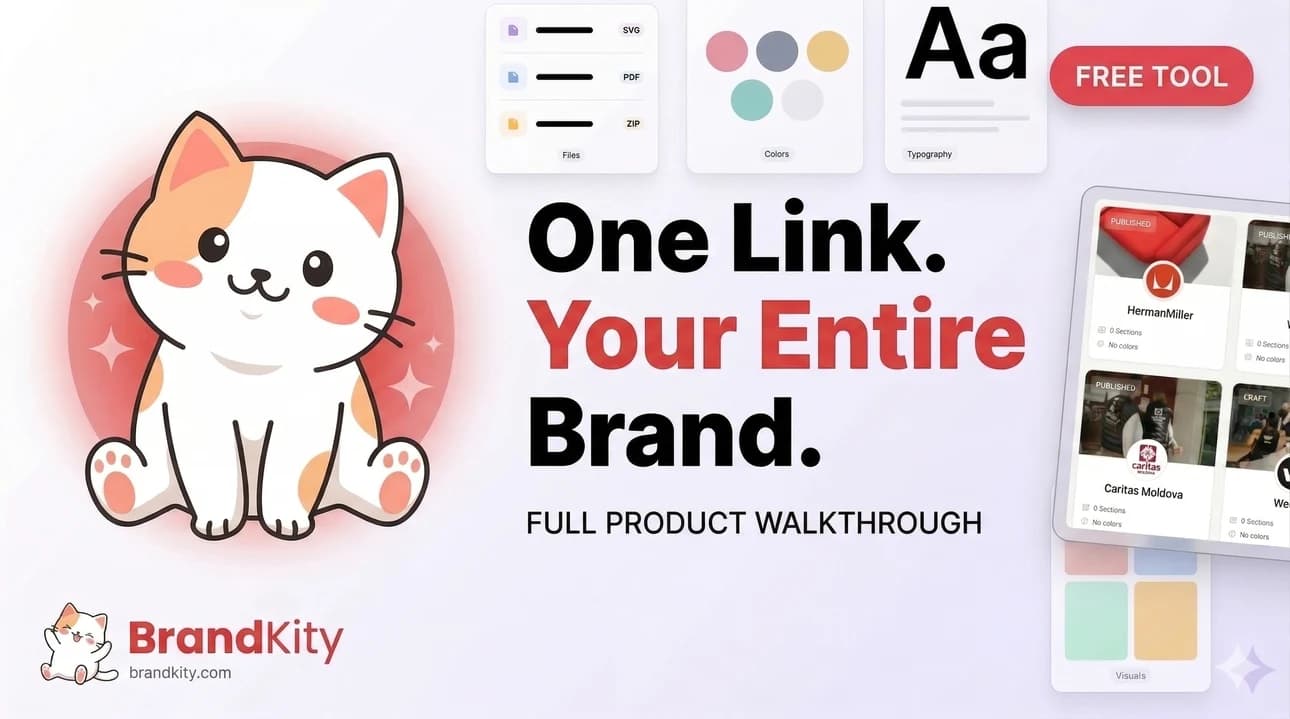
Table of contents
- Streamlining Brand Delivery: Why Creative Teams Are Seeking Smarter Lingo Alternatives
- The Growing Complexity of Managing Brand Assets in 2026
- Key Challenges Creative Teams Face with Traditional Asset Management
- What Modern Brand Delivery Really Means for Agencies and Startups
- Understanding Lingo’s Role in Creative Workflows and Its Limitations
- Lingo’s Strengths for Designers: A Quick Overview
- Common Pain Points That Prompt a Search for Alternatives
- When Lingo Might Fall Short for Client-Facing Delivery and Scalability
- BrandKity’s Foundational Approach: Simplicity Meets Robust Brand Delivery
- The ‘Single Source of Truth’ Philosophy for All Brand Assets
- Designed for Real-World Agency and Startup Pace
- Transforming Client Handoffs with a Unified, Branded Link
- Custom Brand Portals: Elevating the Client Experience
- Say Goodbye to Scattered Files and Outdated Guidelines
- The Game-Changer: BrandKity’s Shareable BrandKit Link and Modern Portals
- Elevating Agency & Freelancer Workflows: From Creation to Client Approval
- Centralized Logo Management and Typography Systems
- Effortless Brand Guideline Dissemination and Updates
- Empowering Startups and Marketing Teams with Agile Brand Management
- Scaling Brand Consistency from Day One
- Rapid Onboarding and Intuitive User Experience for Non-Designers
- Marketing Asset Management for Fast-Paced Campaigns
- BrandKity vs. Lingo: A Feature-by-Feature Comparison for Creative Operations
- Pricing Models and Value for Agencies/Startups
- Practical Use Cases: How Creative Teams Leverage BrandKity for Success
- Onboarding a New Client with a Dedicated BrandKit
- Managing Multiple Brand Identities Across an Agency Portfolio
- Ensuring Brand Compliance for Global Marketing Campaigns
- Making the Switch: Considerations for Your Team’s Brand Delivery Evolution
- Assessing Your Current Brand Delivery Bottlenecks and Costs
- What to Look for in a Brand Asset Management Solution for Growth
- The Long-Term Benefits of Investing in a Modern Brand Delivery Platform
- Frequently Asked Questions About Modern Brand Delivery Platforms
- Is BrandKity a Traditional DAM? How is it different?
- Can BrandKity integrate with existing design and project management tools?
- How does BrandKity ensure brand governance and asset version control?
- Preparing for Tomorrow’s Brand Challenges Today
- Your Path to Unparalleled Brand Consistency and Efficiency
- The Future of Brand Delivery: Why BrandKity Leads the Way for Creative Teams
In the dynamic landscape of 2026, creative teams, from nimble startups to established agencies, face an unprecedented challenge: managing and delivering brand assets with absolute precision and efficiency. The demand for consistent brand representation across countless digital touchpoints has never been higher, making robust brand delivery solutions a critical component of successful operations.
As the digital ecosystem evolves, many organizations are re-evaluating their existing tools, seeking smarter alternatives to platforms like Lingo that can better support client-facing workflows and future scalability. The goal is to move beyond mere storage, towards a system that actively orchestrates brand consistency and simplifies client handoffs.
Streamlining Brand Delivery: Why Creative Teams Are Seeking Smarter Lingo Alternatives
The Growing Complexity of Managing Brand Assets in 2026
The sheer volume and diversity of digital assets required to maintain a cohesive brand identity in 2026 have skyrocketed. Creative teams are no longer just dealing with logos and print files; they’re navigating an intricate web of social media graphics, video snippets, interactive web elements, 3D renders, and AR assets. This expanded digital ecosystem demands more than just a storage solution; it requires a sophisticated system for organization, distribution, and governance. Without a robust framework, ensuring brand consistency across all channels becomes an arduous, error-prone task, leading to wasted time and compromised brand equity.
Key Challenges Creative Teams Face with Traditional Asset Management
Creative professionals often grapple with a litany of issues when relying on outdated or insufficient asset management methods. Common pain points include the perpetual struggle with version control, where locating the most current approved asset among a maze of similarly named files (“finalv3edited.psd”) can consume valuable hours. Access control also poses significant hurdles, particularly when sharing assets externally with clients, vendors, or media. Moreover, the risk of brand compliance breaches increases dramatically when outdated logos, incorrect color codes, or deprecated messaging proliferate due to poor asset governance. These challenges not only stifle productivity but also expose brands to potential reputational damage.
What Modern Brand Delivery Really Means for Agencies and Startups
For creative agencies and burgeoning startups, modern brand delivery transcends simple digital asset management. It signifies a paradigm shift towards proactive sharing and comprehensive brand governance. This means empowering clients and partners with self-service access to precisely what they need, exactly when they need it, without constant manual intervention. A truly effective system ensures that every brand touchpoint, from an Instagram story to a press kit, flawlessly reflects the latest brand guidelines. Evaluating potential solutions must prioritize their capacity for external delivery, robust access controls, and seamless integration into fast-paced
Understanding Lingo’s Role in Creative Workflows and Its Limitations
Lingo’s Strengths for Designers: A Quick Overview
Lingo has carved out a niche as a valuable tool for designers, particularly for its strengths in internal asset organization. It provides a visually rich environment where creative teams can centralize common design elements such as color palettes, typography, icons, and logos. For individual designers or small internal teams, it acts as a quick reference guide and repository for building and maintaining design system components. This allows for efficient access to essential brand building blocks directly within the design workflow, fostering consistency among design outputs by making core elements readily available.
Common Pain Points That Prompt a Search for Alternatives
Despite its internal utility, many creative teams find Lingo presents several common pain points when their needs extend beyond the internal design studio. A primary concern is client accessibility and the often cumbersome process of sharing assets externally. Clients may find it challenging to navigate, or the platform may not offer the tailored, branded experience that agencies desire for their clients. The focus tends to remain on internal design team consumption rather than comprehensive, self-service client delivery. This gap frequently prompts agencies and startups to seek alternatives that prioritize a more seamless and professional external sharing experience.
When Lingo Might Fall Short for Client-Facing Delivery and Scalability
Lingo’s strengths, while beneficial for internal design consistency, often fall short when it comes to robust client-facing delivery and broad scalability across multiple external stakeholders. For agencies managing numerous brands or startups needing to distribute assets widely to partners, media, and investors, Lingo’s default sharing mechanisms can feel restrictive. The ability to create fully customized, branded portals that act as a single, intuitive hub for each client’s specific brand assets and guidelines is paramount. Without this, teams revert to inefficient manual methods, leading to frustrated clients and increased administrative overhead, directly impacting
BrandKity’s Foundational Approach: Simplicity Meets Robust Brand Delivery
The ‘Single Source of Truth’ Philosophy for All Brand Assets
BrandKity is built upon the fundamental principle of a single source of truth (SSOT) for all brand assets. This means consolidating every brand element—from official logos and color palettes to typography, brand guidelines, marketing collateral, video files, and essential documents—into one centralized, authoritative location. This philosophy is crucial for eliminating the chaos of scattered files and outdated versions, ensuring that everyone, both internal teams and external partners, always accesses the most current and approved assets. Adopting an SSOT approach through BrandKity drastically reduces confusion, improves efficiency, and safeguards brand integrity, establishing industry-standard creative tools like those from Adobe to a marketing manager creating a campaign, adheres to the established brand identity. The platform makes it effortless for non-designers to understand and correctly apply brand elements, minimizing errors and maintaining a polished, unified brand presence.
Designed for Real-World Agency and Startup Pace
BrandKity is meticulously crafted to meet the demanding pace and unique needs of modern creative agencies and rapidly scaling startups. Its intuitive interface and fast onboarding process mean teams can integrate it into their workflows within hours, not weeks. The platform is engineered to support the dynamic workflows characteristic of these environments, reducing administrative burdens and freeing up creative professionals to focus on innovation rather than asset retrieval or sharing logistics. This practical, user-centric design ensures that BrandKity is not just a tool, but a true partner in streamlining brand operations and accelerating project delivery for
Transforming Client Handoffs with a Unified, Branded Link
One of BrandKity’s most revolutionary features is its unified, branded link, which fundamentally transforms client handoffs. Instead of sending cumbersome email attachments, directing clients to confusing shared drives, or constantly fielding “where is that logo?” inquiries, agencies can simply provide a single, secure URL. This link grants clients instant access to their entire BrandKit—containing all approved logos, brand guidelines, marketing assets, and any other relevant files. This streamlined approach eliminates friction, enhances efficiency, and ensures clients always have the latest approved assets, fostering a more professional and productive relationship.
Custom Brand Portals: Elevating the Client Experience
Beyond a simple link, BrandKity empowers users to create custom brand portals that significantly elevate the client experience. These portals are not just generic asset repositories; they are fully branded environments that reflect the client’s identity, making them feel like a natural extension of their own brand. With intuitive navigation, robust search functionalities, and easy download options, clients can effortlessly find and utilize the assets they need. For example, a startup preparing for a funding round can provide investors with a polished, self-service portal, showcasing their brand’s professionalism and organizational prowess, accessible anytime, anywhere.
Say Goodbye to Scattered Files and Outdated Guidelines
BrandKity directly addresses the perennial frustrations of creative teams: scattered files and outdated guidelines. By centralizing all brand assets and guidelines within one accessible platform, it ensures that everyone consistently works with the most current and approved versions. This eradicates the need for endless searches across multiple folders, email chains, or obsolete PDF documents. The platform serves as the definitive source of truth, significantly boosting operational efficiency and guaranteeing brand consistency across all touchpoints. Agencies and startups can finally bid farewell to the chaos and embrace a future of streamlined, effortless brand delivery.
The Game-Changer: BrandKity’s Shareable BrandKit Link and Modern Portals
At its core, BrandKity redefines how brands are managed and shared through its innovative shareable BrandKit link and modern portals. This isn’t merely an incremental improvement; it’s a fundamental shift from outdated, inefficient methods to a centralized, intuitive, and highly professional system. By consolidating all essential brand elements—from logos and color palettes to typography and usage guidelines—into a single, accessible online destination, BrandKity eliminates the traditional pain points of brand distribution. Agencies can empower their clients and partners with instant access to precisely what they need, while startups can present a unified, polished image to investors and media, all through a clean, branded interface. This streamlined approach not only saves countless hours previously spent on asset requests and distribution but also guarantees universal brand consistency, making BrandKity an indispensable tool for anyone serious about elevating their brand presence.
Elevating Agency & Freelancer Workflows: From Creation to Client Approval
Creative agencies and freelance designers face unique challenges in managing diverse client portfolios, each with distinct branding requirements. The journey from initial concept to final client approval is often riddled with inefficiencies stemming from scattered assets, outdated guidelines, and convoluted feedback loops. Adopting a dedicated brand asset management platform like BrandKity transforms these workflows, establishing a single source of truth for all brand-related materials. This centralization reduces administrative overhead, accelerates project timelines, and significantly improves client satisfaction by ensuring brand consistency at every touchpoint. Without such a system, agencies risk losing valuable time searching for files or dealing with clients using incorrect assets, which directly impacts profitability and reputation.
Centralized Logo Management and Typography Systems
One of the most common pitfalls for agencies is the chaotic management of client logos and typography. Often, these critical assets reside in disparate folders, email attachments, or local drives, leading to version control issues and accidental use of outdated files. BrandKity offers a robust solution for centralized logo management, allowing agencies to upload, categorize, and version-control all approved logo variations (e.g., primary, secondary, inverse, social media formats) alongside their specific usage guidelines. Similarly, establishing a clear typography system within the platform ensures that fonts, weights, and styling are consistently applied across all deliverables. This proactive organization eliminates guesswork for designers and ensures that creative output always aligns with brand standards, saving hours of corrective work.
Effortless Brand Guideline Dissemination and Updates
Traditional brand guidelines, often distributed as static PDF documents, become quickly outdated and are challenging to disseminate effectively. BrandKity replaces this archaic method with dynamic, interactive
Empowering Startups and Marketing Teams with Agile Brand Management
Startups and internal marketing teams operate in fast-paced environments where agility and brand consistency are paramount for rapid growth. Without a structured approach to brand asset management, these teams often struggle with fragmented brand identities, delayed campaign launches, and the wasteful recreation of existing assets. BrandKity provides a robust framework that allows these organizations to establish and maintain a strong, cohesive brand presence from day one. This platform minimizes the need for extensive design resources for basic asset access and dissemination, freeing up creative talent for strategic initiatives rather than administrative tasks. By ensuring that all team members have immediate access to approved brand elements, marketing efforts become more consistent, efficient, and impactful.
Scaling Brand Consistency from Day One
For startups, building a strong brand foundation is crucial, but maintaining consistency as the company scales can be challenging. BrandKity offers a proactive solution by enabling teams to define and centralize their entire brand identity – from logos and colors to messaging guidelines – within a dedicated BrandKit. This foresight allows new employees, external agencies, or international teams to instantly grasp and apply the brand’s visual and verbal language without extensive training. By embedding
Rapid Onboarding and Intuitive User Experience for Non-Designers
Many marketing teams include members without a design background who still need to access and utilize brand assets for various campaigns. A key advantage of BrandKity is its intuitive user experience, designed for rapid onboarding even for non-design professionals. The platform’s clear, organized interface allows anyone to quickly locate the correct logo, select the appropriate image, or download specific document templates without needing specialized software or design expertise. This empowers the entire marketing team to execute campaigns faster and more independently, reducing reliance on designers for routine asset retrieval. The minimal learning curve means new hires can become productive brand ambassadors almost immediately, contributing to a cohesive brand message across all channels.
Marketing Asset Management for Fast-Paced Campaigns
The success of marketing campaigns often hinges on the timely availability and correct usage of assets. In a fast-paced environment, searching through disorganized folders or requesting assets from designers can cause significant delays. BrandKity acts as a central repository for all marketing-related content, including campaign visuals, social media templates, ad copy, videos, and presentation decks. This streamlined approach ensures that marketing teams can access, share, and deploy assets rapidly, supporting agile campaign launches and real-time adjustments. The ability to quickly find and utilize brand-compliant assets enhances productivity, minimizes errors, and allows teams to focus on strategy and engagement rather than asset logistics, ultimately driving stronger campaign performance.
BrandKity vs. Lingo: A Feature-by-Feature Comparison for Creative Operations
When evaluating brand asset management solutions, creative operations teams require a nuanced understanding of how each platform aligns with their specific workflows and budget. While Lingo offers a robust system for organizing and sharing creative assets, BrandKity distinguishes itself through its acute focus on client delivery, intuitive user experience for all stakeholders, and tailored features that empower both agencies and startups. This comparison delves into critical areas, highlighting where each platform shines and which might be the optimal choice depending on an organization’s primary objectives. Understanding these distinctions is key to making an informed decision that will genuinely enhance operational efficiency and branded portal for all approved assets and guidelines. This approach simplifies client onboarding and ongoing delivery, allowing clients to self-serve approved assets without needing to log into a complex system or navigate multiple folders. The BrandKity link can be customized with client branding, providing a professional and polished delivery experience that reinforces the agency’s quality of service and reduces client dependency for basic asset retrieval.
Pricing Models and Value for Agencies/Startups
Pricing is a significant factor in platform selection, particularly for budget-conscious startups and agencies managing multiple clients. Lingo’s pricing typically scales with the number of users and specific feature sets, which can become a considerable investment for growing teams or those with many external stakeholders. BrandKity offers transparent, value-driven pricing structures that are specifically tailored to the needs of agencies and startups. Its model often focuses on the number of BrandKits and storage, rather than per-user fees, making it more predictable and cost-effective for managing numerous client brands or a rapidly expanding internal team. This structure ensures that organizations can access robust brand management capabilities without encountering prohibitive costs as their needs evolve, offering a stronger return on investment for efficient brand delivery.
Practical Use Cases: How Creative Teams Leverage BrandKity for Success
Understanding the theoretical benefits of a brand asset management platform is one thing; seeing it in action transforms that understanding into actionable insight. BrandKity’s design is rooted in real-world scenarios faced by creative agencies, freelancers, and marketing departments daily. These practical use cases demonstrate how the platform acts as a critical operational backbone, streamlining processes, enhancing collaboration, and ensuring unwavering brand consistency across diverse projects and clients. By moving beyond generic file storage, BrandKity empowers teams to deliver exceptional results with greater efficiency, ultimately strengthening client relationships and internal productivity. Its utility is especially evident in situations demanding precise brand governance and swift asset deployment.
Onboarding a New Client with a Dedicated BrandKit
Imagine an agency that has just secured a new client. Historically, this involved a cumbersome process of collecting all brand assets, organizing them into shared folders, and creating a static PDF of guidelines. With BrandKity, the onboarding process is transformed. The agency’s creative team can immediately create a dedicated BrandKit for the new client. Within this BrandKit, they upload all approved logos, color palettes, typography files, imagery examples, and comprehensive brand guidelines. A single shareable link is then provided to the client, allowing them instant, secure access to all their brand’s foundational elements. This not only projects professionalism but also empowers the client to self-serve assets for their internal use, reducing back-and-forth communication and ensuring all stakeholders are working from the same accurate information from day one. This proactive approach sets a strong foundation for successful long-term partnerships.
Managing Multiple Brand Identities Across an Agency Portfolio
Creative agencies often juggle dozens, if not hundreds, of distinct client brand identities. The logistical challenge of keeping each brand’s assets separate, updated, and easily accessible can be overwhelming. BrandKity excels in this scenario by allowing agencies to create an individual BrandKit for every client. This structure ensures that each brand’s assets and guidelines are entirely segregated and organized, preventing cross-contamination or the accidental use of one client’s assets for another. Agency teams can quickly switch between BrandKits, locating specific files or guidelines with ease. This centralized, yet partitioned, system is crucial for maintaining brand integrity across a large portfolio, ensuring that designers are always pulling the correct, approved assets for any given project. It’s an indispensable tool for agencies seeking to scale their operations without compromising on precision or quality.
Ensuring Brand Compliance for Global Marketing Campaigns
For marketing teams, especially those operating globally, ensuring brand compliance across all campaigns, regions, and channels is a monumental task. The risk of outdated logos, incorrect color usage, or off-brand messaging can damage brand reputation and dilute marketing effectiveness. BrandKity addresses this by serving as the definitive single source of truth for all brand assets. Marketing managers can ensure that every regional team, external vendor, or localization partner has direct access to the most current and approved brand materials, including localized assets where applicable. By embedding usage guidelines directly alongside assets, the platform acts as a safeguard against errors. This level of control and accessibility is vital for executing cohesive global campaigns that resonate consistently with audiences worldwide, ensuring every piece of collateral strengthens the overall brand message and upholds corporate identity standards.
Making the Switch: Considerations for Your Team’s Brand Delivery Evolution
Assessing Your Current Brand Delivery Bottlenecks and Costs
For creative teams, transitioning to a new brand delivery platform is a strategic decision that warrants careful consideration of existing pain points. Many agencies and in-house marketing departments grapple with common bottlenecks: scattered assets across shared drives, outdated files leading to brand inconsistencies, and significant time wasted searching for the correct logo or guideline document. These inefficiencies don’t just cause frustration; they translate directly into tangible costs. Imagine a scenario where a designer spends an hour daily tracking down approved assets, or a marketing manager needs to field multiple requests for brand guidelines. Over a year, this can amount to hundreds of unproductive hours, delaying project launches and eroding client trust. Beyond time, there’s the reputational cost of delivering inconsistent branding, which can undermine a company’s perceived professionalism and market presence. Identifying these specific friction points and quantifying their impact – whether in terms of billable hours lost, project delays, or re-work – is the crucial first step in building a compelling case for a streamlined solution like BrandKity. Understanding your current operational inefficiencies makes the value proposition of a modern brand asset management system clear and compelling.
What to Look for in a Brand Asset Management Solution for Growth
When evaluating a new brand asset management solution, particularly for teams focused on growth and efficient client delivery, several criteria stand out as non-negotiable. Firstly, prioritize a platform that offers intuitive brand portals. These should serve as a single, accessible source of truth for all brand elements, from logos and typography to color palettes and usage guidelines. Ease of use is paramount; designers, marketers, and even external clients should be able to navigate and retrieve assets effortlessly without extensive training. Secondly, consider its scalability. As your brand evolves and your asset library expands, the platform must be able to accommodate increased volume and complexity without compromising performance. Look for robust organization features, including tagging, categorization, and powerful search capabilities, which are vital for maintaining order within a growing collection of digital assets. Integration capabilities with your existing creative software ecosystem are also essential, minimizing workflow disruptions. Lastly, robust version control and permission settings are critical to ensuring only approved, up-to-date assets are utilized, safeguarding brand integrity. A platform that excels in these areas will not only solve current pain points but also empower future expansion and innovation.
The Long-Term Benefits of Investing in a Modern Brand Delivery Platform
The decision to adopt a modern brand delivery platform extends far beyond merely solving immediate organizational challenges; it represents a strategic investment in the long-term health and growth of your brand. The most significant benefit is achieving unparalleled brand consistency across all touchpoints, whether it’s a social media campaign, a client presentation, or a new product launch. This consistency reinforces brand identity, builds trust, and enhances recognition in a competitive marketplace. Moreover, a streamlined system dramatically improves operational efficiency. Creative teams spend less time on administrative tasks like searching for files or responding to asset requests, freeing them to focus on innovative design and strategic initiatives. This boost in productivity can lead to faster project turnaround times and reduced operational costs. Platforms like BrandKity, which prioritize
Frequently Asked Questions About Modern Brand Delivery Platforms
Is BrandKity a Traditional DAM? How is it different?
BrandKity is fundamentally different from a traditional Digital Asset Management (DAM) platform, though it shares some core functionalities. Traditional DAM systems are often complex, enterprise-focused solutions primarily built for archival and asset storage across vast organizations. They can be cumbersome to set up, require extensive training, and often lack the intuitive, client-facing delivery features crucial for agencies and creative teams. In contrast, BrandKity focuses on simplicity, brand organization, and client delivery. Its core differentiator is the ability to create shareable BrandKit links and branded portals, acting as a single source of truth for an entire brand. This approach streamlines the handoff process, ensures clients always access the latest approved assets, and significantly reduces the back-and-forth typically associated with asset sharing. While it offers robust asset management capabilities, BrandKity’s emphasis is on making brand assets accessible, easy to share, and consistently delivered, distinguishing it from the more complex, storage-centric nature of traditional DAM solutions.
Can BrandKity integrate with existing design and project management tools?
Modern brand delivery platforms, including BrandKity, understand the necessity of seamless integration within an existing creative and operational ecosystem. While specific integration partners can vary and evolve, the goal is always to minimize disruption and enhance workflow efficiency. BrandKity is designed with an eye towards interoperability, recognizing that creative teams utilize a diverse array of tools from design software to project management suites. The platform emphasizes an approach that allows for easy export and import of assets, alongside a robust API (Application Programming Interface) for deeper, customized connections. This means that assets managed within BrandKity can often be readily pulled into design applications like those offered by Adobe Creative Cloud or linked within project management platforms, ensuring that designers and marketers are always working with the most current and approved brand elements. This focus on connectivity helps to build a truly
How does BrandKity ensure brand governance and asset version control?
Effective brand governance and meticulous asset version control are paramount for maintaining brand integrity and avoiding costly mistakes, especially within dynamic creative environments. BrandKity is engineered with these principles at its core. It establishes a clear single source of truth for all brand assets, meaning there’s one definitive, up-to-date version of every logo, color palette, and guideline document. The platform implements robust version control features that track every change made to an asset, including who made the change and when. This allows teams to easily revert to previous versions if needed and maintains a comprehensive audit trail. Furthermore, BrandKity provides granular permission management, enabling administrators to control who can view, download, edit, or approve specific assets. This prevents unauthorized usage and ensures that only approved, brand-compliant materials are ever delivered. By centralizing assets, controlling access, and meticulously tracking changes, BrandKity empowers creative teams to uphold strict brand standards and significantly reduce the risk of brand dilution or misuse, crucial for any collaboration is innate, not an afterthought. This holistic approach significantly boosts productivity and empowers creative teams to focus their energy on innovation and strategic brand development, rather than logistical hurdles.
Preparing for Tomorrow’s Brand Challenges Today
In a rapidly evolving digital landscape, brands face constant challenges: new platforms, emerging media formats, and the ever-increasing demand for personalized content at scale. Generic digital asset management solutions often struggle to keep pace, leaving creative teams scrambling to adapt. BrandKity is designed to be a forward-thinking platform, preparing organizations for tomorrow’s brand challenges today. Its focus on agile brand delivery and flexible asset management ensures that as new channels or content types emerge, your brand assets can be quickly adapted and deployed without extensive rework. This includes supporting a wide array of file formats and providing tools for efficient asset repurposing. Furthermore, by centralizing brand intelligence—from usage analytics to stakeholder feedback—BrandKity empowers teams to make data-driven decisions about their brand strategy. This proactive approach ensures brand relevance and adaptability, giving creative teams the confidence to navigate future trends and maintain a competitive edge. Investing in such a platform is not merely a cost-saving measure but a strategic move towards long-term brand resilience.
Your Path to Unparalleled Brand Consistency and Efficiency
Ultimately, the journey with BrandKity is a clear path to achieving unparalleled brand consistency and operational efficiency for creative teams. By replacing fragmented systems and manual processes with a single, intuitive brand delivery platform, organizations unlock significant advantages. You gain total control over your brand assets, ensuring that every logo, color, and guideline is always current, accessible, and correctly applied. This eliminates the guesswork and tedious back-and-forth that often plague brand-related projects, freeing up invaluable creative time. The result is a demonstrable increase in productivity, faster project completion, and a more cohesive, impactful brand presence across all channels. BrandKity empowers designers, marketers, and brand managers to elevate their work, strengthen client relationships, and drive brand growth with confidence. It’s more than just a tool; it’s a strategic partner in building a resilient, consistent, and highly efficient brand operation, setting new benchmarks for brand delivery in the modern creative era.
The Future of Brand Delivery: Why BrandKity Leads the Way for Creative Teams
The landscape of brand management is constantly shifting, driven by technological advancements and evolving consumer expectations. For creative teams, staying ahead means embracing platforms that are not just reactive but proactively shaping the future of brand delivery. BrandKity stands at the forefront of this evolution, distinguishing itself through its commitment to innovation and deep understanding of creative workflows. It’s built to anticipate future needs, offering features like AI-powered asset tagging for enhanced discoverability, intelligent content versioning, and seamless integration with emerging creative tools and platforms.
By providing a unified ecosystem where creativity can flourish unhindered by operational complexities, BrandKity empowers teams to produce more compelling, consistent, and impactful brand experiences faster than ever before. It’s not just about managing assets; it’s about orchestrating a dynamic brand presence that can adapt and thrive in any future digital environment, truly leading the way for creative professionals seeking to define the next generation of brand excellence.
Saurabh Kumar
Founder, BrandKity
Saurabh writes about practical brand systems, faster client handoffs, and scalable workflows for designers and agencies building repeatable delivery operations.
Connect on LinkedIn