
How Is Brand Asset Management Software Evolving in 2026?
In the rapidly evolving digital landscape of 2026, the strategic management of brand assets has become more critical than ever. Brands are no longer s…
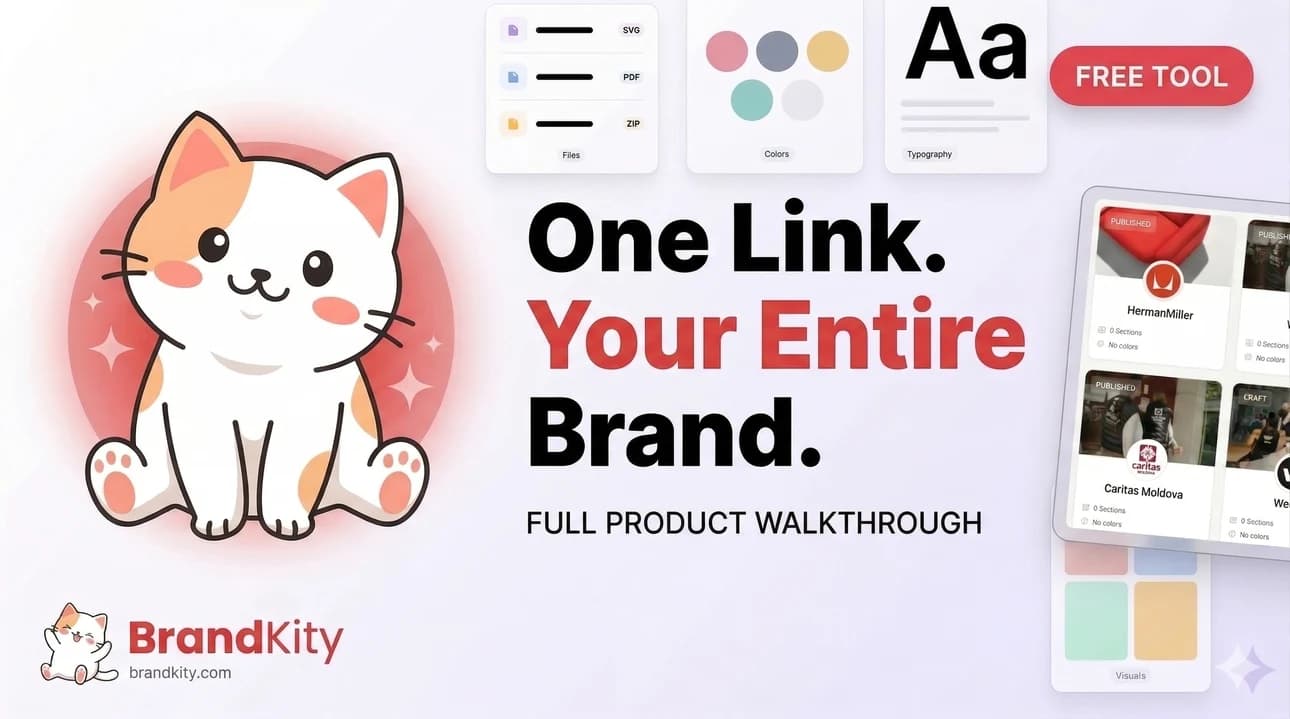
Table of contents
- The Imperative for Agile Brand Management in Today’s Dynamic Landscape
- The High Cost of Brand Inconsistency and Disconnected Assets
- Streamlined Client & Stakeholder Access with Single Shareable Links
- Intelligent Asset Tagging and Metadata Management
- AI-Driven Content Personalization and Distribution
- Seamless Integration into Creative and Marketing Workflows
- Connecting with Design, Project Management, and CRM Tools
- Tracking Asset Performance and Usage Analytics
- Modern Brand Portals: The Single Source of Truth for Evolving Brands
- AI and Automation’s Expanding Role in Asset Organization and Delivery
- Elevating Brand Consistency through Proactive Governance and Guidelines
- Automated Brand Guideline Enforcement and Usage Policies
- User Experience Revolution: Empowering Every Brand Stakeholder
- Fast Onboarding and Adoption for Agencies and Startups
- Beyond Traditional Files: Managing Dynamic and Experiential Brand Assets
- Interactive Content and Immersive Experience Assets
- Adaptive Assets for Omnichannel Presence and Personalization
- Optimizing Client Handoff and Collaboration for Agencies
- Dedicated BrandKit Links for Seamless Delivery and Feedback
- Addressing the Challenges: Moving Past Scattered Assets and Outdated Processes
- Consolidating Disparate Brand Libraries into a Central Hub
- Assessing Integration Ecosystems and Workflow Compatibility
- Key Considerations for Choosing Your Evolved Brand Asset Management Solution in 2026
In the rapidly evolving digital landscape of 2026, the strategic management of brand assets has become more critical than ever. Brands are no longer static entities; they are dynamic, ever-present forces across myriad channels, demanding constant vigilance and adaptability. This necessitates a fundamental shift in how organizations approach their brand operations, moving beyond mere storage to truly agile brand delivery systems.
The imperative for agility stems from the speed at which markets, consumer behaviors, and digital platforms change, requiring brand teams to pivot quickly and ensure absolute consistency across all touchpoints. Brand asset management software, therefore, isn’t just about organizing files; it’s about enabling a responsive, unified brand presence that can meet these accelerated demands.
The Imperative for Agile Brand Management in Today’s Dynamic Landscape
The High Cost of Brand Inconsistency and Disconnected Assets
The financial and reputational ramifications of brand inconsistency are substantial and often underestimated. When brand assets are scattered across disparate folders, outdated PDFs, and personal drives, the risk of misrepresentation skyrockets. This fragmentation leads to a significant drain on resources, as teams waste time searching for correct files, recreating existing materials, or worse, publishing off-brand content. A lack of a single source of truth for all brand elements can erode customer trust and dilute market recognition, directly impacting revenue and brand equity. For instance, an audit by a multinational beverage company in 2025 revealed an estimated $750,000 annual loss due to reprinting incorrect marketing materials and a measurable decline in customer sentiment attributed to varied brand messaging across regions.
Pitfalls include delayed campaign launches due to asset approval bottlenecks, legal issues arising from unauthorized asset use, and a general loss of operational efficiency. To mitigate these, organizations must prioritize consolidating all brand elements into a centralized, accessible platform. Actionable steps involve conducting a comprehensive audit of all existing brand assets, identifying where inconsistencies occur, and evaluating the current asset management workflow to pinpoint bottlenecks that contribute to on-demand access to the latest brand assets. The days of emailing large files or sharing unsecure cloud drive links are quickly becoming obsolete. There is a strong demand for intuitive, self-service portals that empower users to find, download, and utilize assets without constant intervention from brand managers. This shift is driven by the need for speed and autonomy in creative and marketing workflows, especially in fast-paced environments like startups and agencies. The inability to provide streamlined access leads to frustration, delays, and a perception of inefficiency, directly impacting client satisfaction and project timelines.
Decision criteria for modern brand asset management software increasingly include the ease and security of external sharing, the ability to set granular permissions, and robust version control. A prime pitfall is the reliance on manual asset delivery, which creates bottlenecks and introduces errors. For example, a global creative agency reported that their designers spent 15-20% of their week just fulfilling asset requests before implementing a modern brand portal solution. To address these evolving expectations, businesses should adopt platforms that offer secure, shareable links, intuitive user interfaces, and the capability to track asset usage, ensuring a truly Adobe Creative Cloud are becoming standard.
For example, a marketing manager can request a logo for a Facebook ad, and the portal will automatically provide a web-optimized PNG in the correct dimensions, while a print vendor requesting the same logo receives a high-resolution EPS. Decision criteria for selecting a portal should include its ability to handle various media types, offer pre-approved templates for common use cases (e.g., social media banners, presentation decks), and provide on-the-fly transformations. Implementing such dynamic capabilities ensures brand consistency across all outputs while drastically reducing the workload on creative teams and speeding up content deployment. Embracing these advanced functionalities allows for efficient, scalable, and compliant content distribution.
Streamlined Client & Stakeholder Access with Single Shareable Links
The evolution of brand portals in 2026 heavily emphasizes ease of access and secure sharing, particularly for external clients and stakeholders. The advent of single shareable links, often referred to as a “BrandKit link,” revolutionizes how agencies and brands deliver assets. Instead of cumbersome email attachments or insecure file transfer services, a single, customizable link can grant access to a curated collection of approved brand assets, guidelines, and documents. These links can be secured with passwords, have expiry dates, and offer granular permissions, ensuring that recipients only access relevant and up-to-date materials. This approach significantly enhances the client delivery experience, making it professional, secure, and instant.
A major pitfall of traditional sharing methods is the lack of control once assets are sent, leading to potential misuse or the circulation of outdated versions. Modern brand portals address this by centralizing control. For instance, a startup launching a new product can provide a BrandKit link to all its PR partners, ensuring they have immediate access to the latest press kit, logos, and imagery. If an asset is updated, it automatically reflects in the shared link, eliminating the need for re-sharing. When evaluating solutions, look for platforms that offer robust link management, detailed usage analytics for shared content, and the ability to customize the shared portal’s appearance to reflect the brand’s identity, thereby establishing a true
Intelligent Asset Tagging and Metadata Management
Artificial intelligence is profoundly transforming how brand assets are organized, making them vastly more discoverable and manageable. Intelligent asset tagging, powered by AI and machine learning, automates the often tedious and error-prone process of adding metadata. Advanced algorithms can analyze images, videos, and documents to identify objects, colors, text, and even emotional cues, automatically applying relevant keywords and tags. This not only saves countless hours for brand managers but also ensures a much richer and more consistent metadata schema across the entire asset library. The result is significantly enhanced discoverability, allowing users to quickly find assets using natural language queries, even without knowing the exact filename or folder location.
A common pitfall in manual tagging is human error and inconsistency, leading to “orphan assets” that are effectively lost within a large library. AI-driven metadata management helps overcome this by learning from existing tags and usage patterns, continually refining its suggestions. Example: A new product photo uploaded to a DAM system in 2026 is automatically tagged with “product launch,” “Q3 campaign,” “eco-friendly packaging,” and specific product features, based on visual recognition and contextual data. When evaluating software, decision criteria should include the accuracy of AI suggestions, the ability to integrate with existing taxonomies, and options for human oversight to fine-tune automated tags. This intelligent approach moves beyond basic search to truly semantic asset retrieval.
AI-Driven Content Personalization and Distribution
Beyond organization, AI is increasingly playing a pivotal role in personalizing and automating the distribution of brand assets. AI-driven personalization capabilities allow brand asset management systems to understand user roles, preferences, and historical usage patterns, delivering tailored content experiences. For instance, a regional marketing manager in EMEA might automatically see assets relevant to their market, language, and current campaigns, while a North American sales team receives a different set. This moves beyond broad access to predictive, contextual content delivery, ensuring stakeholders always have the most impactful and relevant assets at their fingertips.
The challenge of distributing the right asset to the right audience at the right time is complex. AI helps automate this by identifying optimal channels and formats based on audience segments and performance data. Pitfalls include generic content delivery that fails to resonate and manual, time-consuming asset selection for diverse global audiences. Example: An AI algorithm analyzes engagement data for a new brand video, automatically pushing optimized versions to specific social media platforms and email segments where it’s likely to perform best. This kind of automated distribution not only increases efficiency but also enhances the effectiveness of marketing efforts, driving higher engagement and conversion rates by serving truly relevant content.
Seamless Integration into Creative and Marketing Workflows
Connecting with Design, Project Management, and CRM Tools
For brand asset management software to truly excel in 2026, it must function as an integrated hub within the broader ecosystem of creative and marketing technologies. Seamless workflow integrations with critical tools like design software, project management platforms, and CRM systems are no longer a luxury but a necessity. APIs and pre-built connectors allow assets to flow effortlessly between these platforms, significantly reducing friction, minimizing manual data entry, and eliminating the pitfalls of version control issues or outdated assets being used in campaigns. Designers can access approved brand elements directly within their creative applications, project managers can link assets to specific tasks, and sales teams can pull branded content into presentations directly from their CRM, such as Salesforce.
The goal is to eliminate reduced context switching and ensure that all team members are working with the latest, compliant assets without leaving their primary work environment. Decision criteria for selecting a BAM solution should heavily weigh its integration capabilities, looking for robust APIs and a wide array of existing connectors. For example, a global agency implemented a BAM system that integrated with their project management software, reducing the average time spent searching for and approving assets by 30%, which directly translated to faster project turnaround times and fewer revision rounds. This interconnected approach fosters efficiency and maintains brand integrity across all stages of content creation and distribution.
Tracking Asset Performance and Usage Analytics
Beyond simply storing and delivering assets, modern brand asset management software provides crucial insights into how those assets are performing in the real world. Robust asset performance analytics go far beyond simple download counts, offering detailed data on views, shares, engagement rates, and even the conversion impact of specific assets across various channels. This level of insight allows brand managers to understand which assets are most effective, which ones are underperforming, and how different versions resonate with target audiences. Without these analytics, content strategy often relies on guesswork, leading to wasted resources on ineffective creative materials and a missed opportunity to optimize brand communication.
Key decision criteria for analytics include customizable dashboards, the ability to segment data by user group or campaign, and integration with broader marketing analytics platforms. A common pitfall is a lack of visibility into asset ROI, making it difficult to justify creative investments. For example, a B2B company discovered through their BAM analytics that video testimonials had a 40% higher engagement rate on their website than static image case studies, prompting them to reallocate their content budget accordingly. By providing tangible usage insights and demonstrating clear ROI measurement, these analytics empower teams to make data-driven decisions, refine their brand strategy, and continuously improve the effectiveness of their creative assets.
Modern Brand Portals: The Single Source of Truth for Evolving Brands
In today’s dynamic brand landscape, maintaining consistency across all touchpoints is paramount. Modern brand asset management systems often incorporate a sophisticated brand portal, serving as the definitive single source of truth for all approved brand assets and guidelines. These portals go beyond mere storage; they are interactive hubs designed to facilitate easy access, ensure compliance, and streamline collaboration for internal teams, external agencies, and partners worldwide. By centralizing everything from logos and typography to voice and tone guidelines, brand portals eliminate ambiguity and significantly reduce the risk of off-brand content being produced.
Effective brand portals empower users to quickly find the exact asset they need, in the correct format, and with the most current version. They often include comprehensive brand guidelines, usage rules, and legal disclaimers directly alongside the assets, ensuring that every user understands how and when to deploy them. This centralized approach drastically cuts down on the time spent searching for assets and requesting approvals, fostering greater efficiency. For instance, a global marketing team used their brand portal to launch a new campaign, providing all regional offices with immediate access to localized images, videos, and messaging, resulting in a consistent brand message delivered simultaneously across 50+ markets. When selecting a BAM solution, evaluate the portal’s user experience, customization options, security features, and its ability to scale with your brand’s growth and evolving requirements.
AI and Automation’s Expanding Role in Asset Organization and Delivery
The future of brand asset management is intrinsically linked with advancements in AI and automation, which are transforming how brands organize, search for, and deliver their creative assets. Artificial intelligence capabilities, such as advanced image recognition and natural language processing, are now commonly used for automated tagging and metadata generation. This eliminates tedious manual data entry, ensuring assets are accurately categorized and easily discoverable through intelligent search queries. For example, AI can analyze an image, identify objects, colors, and even emotions, and automatically apply relevant keywords, making it effortless to find all images featuring “people smiling outdoors” or “a product shot against a blue background.”
Beyond intelligent organization, automation streamlines critical workflows. This includes automatic resizing and conversion of assets for various platforms (e.g., social media, web, print) directly within the system, saving significant design time. AI-powered recommendations can also suggest relevant assets based on user roles, project type, or past usage patterns, enhancing content creation efficiency and ensuring brand consistency. Moreover, automation extends to approval workflows, rights management, and distribution, automatically routing assets to stakeholders or publishing them to specified channels once approved and cleared. A large e-commerce brand implemented AI-driven automation in their BAM system, reducing the average time to prepare and publish product images across different storefronts by 45%, directly contributing to faster product launches and improved market responsiveness. The strategic integration of AI and automation makes BAM systems more intelligent, efficient, and proactive, positioning them as indispensable tools for modern brand management.
Elevating Brand Consistency through Proactive Governance and Guidelines
Automated Brand Guideline Enforcement and Usage Policies
In 2026, Brand Asset Management (BAM) software is no longer just a repository; it’s an active enforcer of brand integrity. Organizations are leveraging automated systems to ensure every asset created or used aligns perfectly with established brand guidelines. This involves real-time checks that flag discrepancies in color palettes, typography usage, and logo clear space as assets are uploaded or prepared for distribution. Advanced BAM platforms integrate directly with design tools, providing instant feedback to designers, preventing off-brand elements from ever reaching a final stage. The pitfall here is the potential for overly rigid systems to stifle creative flow; thus, selecting software with customizable rules that allow for ‘soft’ warnings versus ‘hard’ rejections is crucial. This ensures flexibility while maintaining core brand consistency across all touchpoints, essential for mastering leading creative software providers.
User Experience Revolution: Empowering Every Brand Stakeholder
Fast Onboarding and Adoption for Agencies and Startups
The competitive landscape of 2026 means that agencies and startups cannot afford lengthy onboarding processes for new tools. Modern BAM solutions prioritize speed and ease of use, enabling teams to become productive almost instantly. This is achieved through intuitive interfaces, pre-configured templates for common asset types, and comprehensive guided tours. For a rapidly scaling startup, the ability to onboard new marketing hires and external agencies within a day or two, rather than a week, offers a significant competitive advantage. Decision criteria for selecting such software should include the presence of clear, self-service resources, a logical user interface, and efficient bulk upload capabilities with intelligent tagging. Avoiding overly complex permission structures is key to accelerating struggling with brand asset client delivery. A critical actionable step is to conduct user acceptance testing with diverse stakeholders, including external clients, to pinpoint and resolve any usability issues. Pitfalls include interfaces cluttered with advanced features that overwhelm basic users, or a lack of clear navigation for extensive asset libraries.
Beyond Traditional Files: Managing Dynamic and Experiential Brand Assets
Interactive Content and Immersive Experience Assets
As brands increasingly invest in digital experiences, BAM software must evolve beyond static image and video files. In 2026, managing interactive content, 3D models for augmented reality (AR) or virtual reality (VR) applications, and other immersive assets is a growing imperative. These assets present unique challenges due to their large file sizes, complex rendering requirements, and the need for seamless integration into various platforms. Effective BAM solutions offer capabilities to preview 3D models directly within the browser, manage different states of interactive elements, and support robust metadata for describing complex asset relationships. For instance, a retailer managing 3D product configurators needs a system that ensures consistent branding across all interactive views. A major pitfall is insufficient storage capacity or inadequate integration with rendering engines, which can severely bottleneck creative workflows and deployment.
Adaptive Assets for Omnichannel Presence and Personalization
The demand for highly personalized and omnichannel brand experiences has led to the rise of adaptive assets. These are not static files but rather dynamic components that can automatically adjust their appearance, content, or format based on the specific channel, audience segment, or user context. Modern BAM platforms facilitate this by allowing assets to be stored with rules and parameters for adaptation—think responsive images that crop differently based on screen size, or dynamic text snippets that change based on user location. This enables brands to deliver truly consistent yet tailored messages across social media, websites, email campaigns, and digital advertising. An actionable step is to implement detailed metadata tagging that precisely defines how an asset should adapt, including parameters for aspect ratios, resolution, and conditional content. Without robust system capabilities, the complexity of managing these adaptive rules can quickly become overwhelming, leading to inconsistencies rather than seamless personalization.
Optimizing Client Handoff and Collaboration for Agencies
Dedicated BrandKit Links for Seamless Delivery and Feedback
For agencies, the client handoff process is a critical moment that significantly impacts client satisfaction and future engagements. In 2026, leading BAM platforms are transforming this with dedicated “BrandKit” links. Instead of sending fragmented files via email or multiple cloud drives, agencies can provide clients with a single, secure, and easily shareable link to a consolidated brand portal. This portal houses all final logos, brand guidelines, templates, and campaign assets, serving as a definitive single source of truth. Such an approach streamlines delivery and feedback, preventing issues with outdated files or missing assets. Key decision criteria include customizable access permissions, features for tracking asset download history, and integrated feedback mechanisms. This strategy is essential for agencies looking for intuitive client experience. A significant pitfall is if these portals are not regularly updated or managed, they can quickly become stale or disorganized, eroding their perceived value and hindering client project success.
Addressing the Challenges: Moving Past Scattered Assets and Outdated Processes
Consolidating Disparate Brand Libraries into a Central Hub
The proliferation of digital assets across various platforms—from shared cloud drives and email attachments to local desktops—creates a significant challenge for maintaining brand consistency. In 2026, organizations are actively moving past the era of fragmented brand libraries, recognizing the inefficiencies and risks associated with scattered assets. Modern brand asset management (BAM) software addresses this by serving as a single source of truth, centralizing all approved brand elements. This includes everything from logos, typography, and color palettes to documents, videos, and comprehensive brand guidelines. When selecting a solution, key decision criteria involve the ease of asset migration from existing repositories, robust searchability features powered by AI-driven tagging, and intuitive version control to track changes and rollbacks.
A common pitfall in this consolidation process is user resistance to adopting new systems or an incomplete migration that leaves critical assets behind. To counteract this, a phased rollout with clear communication and training is essential. For example, a global marketing agency, previously managing client brand assets across a dozen different cloud folders and email chains, successfully consolidated over 50,000 files into a centralized brand portal. This move drastically reduced time spent searching for files by 30% and improved client delivery workflows. An actionable step for any team is to conduct a thorough current and approved assets are accessible, eliminating the guesswork for designers, marketers, and partners. Features like granular access control, which dictate who can view, download, or edit specific assets, and automated approval workflows are paramount. These systems often include audit trails, providing a transparent history of asset usage and modifications, which is crucial for accountability.
The main pitfall here lies in implementing overly complex permission structures that hinder productivity or, conversely, a lack of strict governance that allows non-compliant assets to circulate. Striking the right balance is vital. Consider a multinational corporation with regional marketing teams, where the BAM platform automatically pushes the latest campaign visuals and localized copy directly to relevant users. This eliminates the need for manual distribution and significantly improves
A significant pitfall is investing in a platform with rigid licensing models or limited extensibility, leading to costly re-platforming exercises down the line. For instance, a fast-growing SaaS startup, expecting to triple its marketing team and expand into new product lines within two years, requires a BAM solution that can seamlessly absorb hundreds of thousands of new assets and onboard dozens of new users without performance degradation or prohibitive cost increases. They might look for platforms offering tiered storage and user packages that can be easily upgraded. An actionable step is to project your organization’s anticipated asset volume and user growth over a 3-5 year horizon, comparing these projections against the scalability features and pricing models of prospective BAM solutions. Consider platforms that offer strong API capabilities for future custom integrations, enabling connections with evolving creative tools like those offered by Adobe.
Assessing Integration Ecosystems and Workflow Compatibility
In 2026, no single software operates in isolation. The true power of an evolved brand asset management solution lies in its ability to integrate seamlessly with existing digital ecosystems and align with current workflow requirements. This means evaluating its compatibility with other essential tools such as marketing automation platforms, CRM systems, content management systems (CMS), project management software, and creative design applications. Seamless data flow between these systems reduces manual effort, minimizes errors, and creates a more efficient operational pipeline, directly impacting how marketing and creative teams execute their strategies.
Key decision criteria include the availability of pre-built integrations with your current tech stack, the flexibility and documentation of open APIs for custom connections, and support for single sign-on (SSO) to streamline user access. A common pitfall is overlooking integration complexities, which can lead to siloed tools, fragmented data, and ultimately, a breakdown in operational efficiency. For example, a large enterprise focused on enhancing its brand strategy would benefit from a BAM that directly integrates with their project management software, allowing designers to access approved assets directly within their creative tools and marketers to pull campaign assets directly into their CMS. An actionable step is to meticulously map out your current operational workflows, identifying all key touchpoints where assets are created, used, and distributed, and then prioritize BAM solutions that offer robust, native, or easily configurable integrations for these critical junctures.
Key Considerations for Choosing Your Evolved Brand Asset Management Solution in 2026
Beyond the technical prowess of scalability and seamless integrations, the ultimate success of an evolved brand asset management solution in 2026 hinges significantly on its user experience (UX) and overall adoptability. A platform, no matter how feature-rich, will underperform if its interface is complex, clunky, or unintuitive. Organizations must prioritize solutions offering a clean, user-friendly interface that simplifies asset submission, retrieval, and distribution, thereby reducing the learning curve for diverse user groups, from designers to sales teams. Robust search capabilities, intelligent tagging features, and clear version control are paramount for ensuring users can quickly find the correct, approved assets, fostering compliance and accelerating workflow efficiency. Evaluating the vendor’s commitment to continuous improvement in UX, often demonstrated through regular updates and user feedback integration, can offer insights into the long-term viability and user satisfaction of the platform. Think about how easy it would be for a new hire to quickly find a specific logo variant or a marketing team member to pull the latest campaign imagery for a new brand guideline document.
Saurabh Kumar
Founder, BrandKity
Saurabh writes about practical brand systems, faster client handoffs, and scalable workflows for designers and agencies building repeatable delivery operations.
Connect on LinkedIn