
How Do Agencies Streamline Brand Guidelines & Assets?
In the dynamic landscape of modern marketing and branding, agencies face persistent challenges in maintaining brand consistency across diverse client …
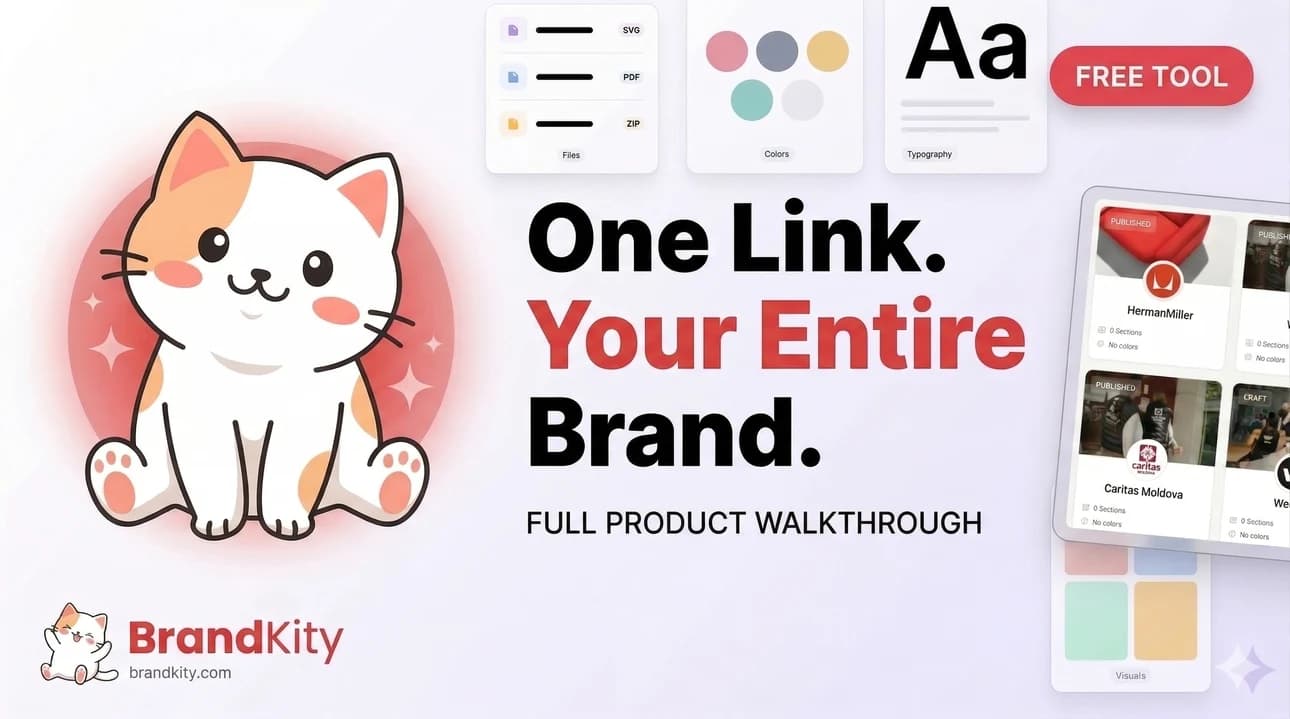
Table of contents
- The Overlooked Challenge: Why Agencies Struggle with Brand Consistency
- Scattered Assets and Outdated Guidelines: The Hidden Drain on Resources
- Inefficient Client Collaboration and Handoff Complexities
- The Tangible and Intangible Costs of Brand Inconsistency
- Establishing a Foundational Brand Guideline Framework
- Defining Core Brand Elements: Logos, Typography, Colors, and Messaging
- Documenting Usage Rules and Best Practices for Every Scenario
- Centralizing Brand Assets: Beyond Cloud Storage Solutions
- The Evolution from Shared Drives to Modern Brand Asset Management
- Ensuring a Single Source of Truth for Every Brand and Project
- Optimizing Agency Workflows with Integrated Brand Portals
- Mastering Client Handoff: Empowering Brand Adoption and Compliance
- Creating Shareable Brand Kits for Easy Client Access and Onboarding
- Educating Clients on Brand Portal Navigation and Best Practices
- Monitoring Asset Usage and Ensuring Brand Guideline Adherence
- Selecting the Right Brand Asset Management Solution for Agencies
- Essential Features for Enhancing Agency Productivity and Collaboration
- Evaluating Usability, Onboarding Speed, and Scalability for Growth
- Prioritizing Client Delivery and Modern Brand Portal Capabilities
- Measuring the ROI of Streamlined Brand Operations
- Quantifying Efficiency Gains and Time Savings in Creative Workflows
- Assessing Improvements in Brand Consistency and Market Perception
- Linking Streamlined Processes to Client Satisfaction and Retention Metrics
- Common Pitfalls to Avoid in Brand Asset Management
- Ignoring User Adoption and Comprehensive Training Needs
- Over-Complicating the System with Unnecessary Features
- The Peril of Neglecting Regular Audits and Asset Updates
- Key Recommendations for Agencies Seeking Operational Excellence
- Implement a Dedicated Brand Portal Solution from Day One
- Standardize Naming Conventions and Tagging Protocols Across All Projects
- Foster a Culture of Brand Stewardship and Asset Management Best Practices
- Can smaller agencies and startups truly benefit from a dedicated brand asset management system?
- Frequently Asked Questions About Agency Brand Management
- What’s the difference between a Digital Asset Management (DAM) system and a brand portal?
- How often should an agency review and update its clients’ brand guidelines and assets?
In the dynamic landscape of modern marketing and branding, agencies face persistent challenges in maintaining brand consistency across diverse client portfolios. The complexity often lies not just in creating compelling brand identities, but in the operational hurdles of managing and distributing the myriad assets and guidelines that define them.
Ensuring every touchpoint reflects a unified brand message and aesthetic is paramount, yet many agencies find themselves grappling with inefficiencies that drain resources and jeopardize client relationships. This article delves into how agencies can systematically streamline their approach to brand guidelines and assets, transforming potential chaos into structured, efficient workflows.
The Overlooked Challenge: Why Agencies Struggle with Brand Consistency
Scattered Assets and Outdated Guidelines: The Hidden Drain on Resources
One of the most insidious problems agencies encounter is the proliferation of brand assets across disparate locations. Files often reside on individual designer hard drives, in countless email threads, outdated cloud storage folders, or within legacy systems, leading to a relentless scavenger hunt for the correct versions. This fragmentation wastes valuable creative time and inflates project timelines, as teams spend hours searching for the right logo, font, or image. Compounding this issue are outdated brand guidelines, frequently trapped in static PDFs or forgotten documents, which lead to misinterpretations and the inadvertent application of incorrect brand elements. The ongoing cost of these inefficiencies, from repeated file requests to necessary rework, represents a significant, often unquantified, drain on agency resources.
Inefficient Client Collaboration and Handoff Complexities
Client collaboration and asset handoffs represent critical touchpoints where brand consistency can easily falter. Agencies typically rely on ad-hoc methods like email attachments, generic file-sharing services, or insecure public links to deliver assets, leading to a fragmented and often confusing experience for clients. Without a centralized, easily accessible platform, clients may inadvertently download and use incorrect or outdated brand elements, undermining the agency’s meticulous work. This lack of a clear flawless brand execution.
The Tangible and Intangible Costs of Brand Inconsistency
The repercussions of brand inconsistency extend far beyond mere inconvenience, manifesting as both tangible financial losses and significant intangible damages. Tangible costs include expenditures on rework, printing errors requiring reprints, and potential legal fees arising from unauthorized or incorrect asset usage. These direct costs erode profit margins and consume billable hours that could be dedicated to new projects. More critically, the intangible costs inflict lasting damage: brand dilution, a noticeable erosion of client trust, and a tarnished agency reputation in a competitive market. Internally, frequent errors and communication breakdowns can lead to team frustration and diminished morale. Ultimately, failing to uphold a consistent brand identity across all channels weakens market recognition and diminishes the very brand equity the agency strives to build for its clients.
Establishing a Foundational Brand Guideline Framework
Defining Core Brand Elements: Logos, Typography, Colors, and Messaging
A robust brand guideline framework begins with the meticulous definition of core brand elements. For logos, this entails detailing primary and secondary variants, clear-space requirements, minimum sizing, and acceptable backgrounds to ensure versatility and integrity. Typography guidelines must specify primary and secondary typefaces, their hierarchies, appropriate usage for various media (print vs. digital), and specific web-safe alternatives. The color palette requires precise definition, including CMYK, RGB, Hex codes, and Pantone values, alongside guidance on accessible color combinations. Crucially, the framework must also encapsulate messaging, articulating the brand’s tone of voice, core value propositions, key narrative elements, and legal disclaimers. This foundational clarity creates an unambiguous reference point, ensuring every creative output aligns perfectly with the client’s brand identity.
Documenting Usage Rules and Best Practices for Every Scenario
Beyond merely defining brand elements, an effective guideline framework rigorously documents their application through comprehensive usage rules and best practices for every conceivable scenario. This includes explicit “Do’s and Don’ts” for logo manipulation, such as prohibitions against stretching, distorting, or altering colors. Guidelines should extend to photography style, specifying ideal subject matter, lighting, and composition, alongside examples of on-brand versus off-brand imagery. For messaging, clear examples of tone of voice in different contexts (e.g., website copy vs. social media posts) are essential. By providing detailed, visual examples of both correct and incorrect applications, agencies equip their teams and clients with the practical knowledge needed to prevent common errors and consistently apply the brand with precision, thereby reinforcing long-term brand value.
Centralizing Brand Assets: Beyond Cloud Storage Solutions
The Evolution from Shared Drives to Modern Brand Asset Management
The era of scattered assets across generic cloud drives like Dropbox or Google Drive is rapidly being replaced by sophisticated Brand Asset Management (BAM) and Digital Asset Management (DAM) platforms. While shared drives offered initial convenience, they fall short in critical areas: a lack of robust metadata capabilities, absence of comprehensive version control, and inability to manage usage rights effectively. Modern BAM solutions provide a secure asset sharing and feedback.
Ensuring a Single Source of Truth for Every Brand and Project
The ultimate benefit of an integrated brand portal is its capacity to serve as a single source of truth for every brand and project. This means that all team members, clients, and external vendors consistently access the same, most current, and approved assets and guidelines from one centralized location. This eradicates confusion arising from multiple versions of files, outdated brand manuals, or conflicting instructions. By enforcing a single repository, agencies guarantee that every communication, every campaign, and every touchpoint aligns perfectly with the brand’s established identity. This consistency not only protects brand integrity but also streamlines onboarding for new personnel and simplifies compliance checks, solidifying the agency’s reputation as a reliable guardian of its clients’ brands. For a comprehensive look at creative tools, exploring platforms like Adobe’s offerings can provide valuable insights into industry standards.
Optimizing Agency Workflows with Integrated Brand Portals
Integrated brand portals are not merely repositories for assets; they are strategic tools that fundamentally transform and optimize agency workflows. By centralizing all brand-related information—from guidelines and assets to project documentation and communication—agencies can significantly reduce administrative overhead and accelerate project timelines. These platforms facilitate seamless collaboration among internal teams, clients, and external partners by providing a structured environment for sharing feedback, managing approval processes, and tracking asset usage. Automated notifications for updates, expiring licenses, or new asset uploads ensure that all stakeholders are always working with the most current information, minimizing delays and costly revisions. This streamlined approach allows creative teams to focus more on innovation and execution rather than hunting for files or clarifying brand rules, ultimately leading to higher quality outputs and more efficient use of agency resources. Exploring solutions that offer robust integration with project management tools can further enhance workflow synergy, ensuring a cohesive operational framework.
Mastering Client Handoff: Empowering Brand Adoption and Compliance
Effective client handoff is not merely about delivering final assets; it’s about ensuring ongoing brand adoption and compliance long after a project concludes. Agencies must transition clients from project completion to becoming self-sufficient brand stewards. This critical phase involves equipping them with the right tools, knowledge, and support to confidently manage their brand identity, minimizing future inconsistencies and reducing demands on agency resources for minor asset requests. A robust handoff strategy is foundational for nurturing long-term client relationships and reinforcing the agency’s value as a strategic partner.
Creating Shareable Brand Kits for Easy Client Access and Onboarding
The cornerstone of a successful client handoff is a comprehensive and easily accessible brand kit. Agencies should package all essential brand elements – logos, color palettes, typography, imagery, and usage guidelines – into a single, shareable resource. Platforms offering dedicated brand portals excel here, consolidating assets that might otherwise be scattered across email attachments or disparate cloud drives. The decision criteria for such a kit include its completeness, intuitive organization, and the ease with which clients can access and understand its contents, enabling a swift onboarding process. A significant pitfall is delivering fragmented assets, leading to client confusion and the use of outdated versions. For instance, instead of sending multiple ZIP files, an agency could provide a single BrandKit link, acting as the brand’s definitive single source of truth.
Educating Clients on Brand Portal Navigation and Best Practices
Providing clients with a brand portal is only half the battle; ensuring they can effectively navigate and utilize it is crucial. Agencies must dedicate time to educate clients on the platform’s features and best practices for asset management. This education should cover basic navigation, searching for specific assets, understanding version control, and proper download procedures. Key decision criteria for this process include the clarity of instructions, the availability of user-friendly tutorials, and the overall simplicity of the portal’s interface. A common pitfall is assuming client tech-savviness, leading to frustration and underutilization of the system. Actionable steps involve conducting personalized walkthroughs, creating short instructional videos, or providing a concise FAQ section within the portal itself. This proactive approach empowers clients, making them less reliant on the agency for routine inquiries.
Monitoring Asset Usage and Ensuring Brand Guideline Adherence
Post-handoff, effective agencies don’t simply disappear; they implement systems to monitor asset usage and ensure ongoing adherence to brand guidelines. This involves establishing mechanisms for tracking asset downloads, reviewing new client-produced materials, and offering a clear feedback loop. The decision criteria for this monitoring include the availability of usage analytics within the brand asset management platform and a structured process for periodic brand audits. Neglecting this step can lead to a gradual erosion of brand consistency, with clients unknowingly utilizing outdated logos or applying incorrect brand elements. An example could be setting up automated alerts within the platform if a client attempts to download an “archive” or “deprecated” asset, prompting an immediate follow-up. Regularly checking client-produced collateral against the official guidelines helps maintain brand integrity and consistency across all touchpoints, reinforcing the agency’s commitment to the brand’s long-term health.
Selecting the Right Brand Asset Management Solution for Agencies
Choosing the appropriate Brand Asset Management (BAM) solution is a pivotal decision for agencies aiming to streamline their operations and enhance client delivery. The landscape of digital asset management (DAM) and brand portals is diverse, making a well-informed selection critical. Agencies must prioritize platforms that not only cater to their internal creative workflows but also facilitate a seamless client experience, reinforcing their reputation for efficiency and organization. This choice significantly impacts productivity, collaboration, and ultimately, client satisfaction. Understanding the nuances of different solutions and aligning them with specific agency needs is paramount to making an investment that truly elevates brand operations.
Essential Features for Enhancing Agency Productivity and Collaboration
For agencies, the ideal brand asset management solution must be a powerhouse for internal productivity and collaboration. Core features such as centralized storage with robust search capabilities are non-negotiable, ensuring creative teams can quickly locate the exact asset they need without sifting through disorganized folders. Version control is also crucial, preventing errors and rework by making it clear which assets are approved and current. Workflow automation, including review and approval processes, can significantly reduce bottlenecks. Furthermore, features like commenting, tagging, and seamless integration with design tools like Adobe Creative Cloud enhance team collaboration. A significant pitfall is opting for generic file-sharing solutions that lack these specialized features, inevitably leading to inefficiency and scattered assets. Prioritizing a platform that reduces manual administrative tasks directly translates to more time spent on creative work, boosting overall agency output.
Evaluating Usability, Onboarding Speed, and Scalability for Growth
Beyond features, agencies must meticulously evaluate the usability, onboarding speed, and scalability of any BAM solution. An intuitive user interface (UI) is vital for ensuring rapid internal adoption, minimizing the learning curve for creative teams and clients alike. A platform that offers quick and straightforward onboarding means agencies can implement the system efficiently, immediately realizing benefits rather than grappling with complex setups. Crucially, the solution must be scalable, capable of growing alongside the agency and its expanding client roster, without incurring prohibitive costs or performance degradation. This includes flexible storage options, user tiers, and the ability to manage an increasing volume of assets and brands. A common pitfall is selecting a system that proves rigid or overly complex as the agency expands, leading to new inefficiencies. Agencies should consider platforms known for their ease of use and responsive support, which can greatly impact the long-term success of the implementation.
Prioritizing Client Delivery and Modern Brand Portal Capabilities
In the agency world, client delivery is paramount, making brand portal capabilities a critical evaluation point. A superior BAM solution will offer modern, customizable brand portals that serve as a branded ‘single source of truth’ for each client. These portals should enable easy, secure sharing of specific assets and guidelines through simple links, eliminating the need for complex logins or downloads. Key considerations include the ability to tailor the portal’s appearance to reflect the client’s brand, granular permission settings for external users, and an intuitive client-facing interface that makes finding and downloading assets effortless. Ignoring client delivery needs often results in fragmented communication and a poor experience, undermining the agency’s efforts. For instance, solutions like BrandKity, which focus on simple client delivery via a single shareable BrandKit link, exemplify this prioritization, enhancing the agency’s perceived value and professionalism.
Measuring the ROI of Streamlined Brand Operations
Investing in streamlined brand operations, particularly through dedicated brand asset management (BAM) solutions, represents a significant financial and strategic decision for agencies. To justify this investment and demonstrate its value, it’s crucial to establish clear metrics for measuring its Return on Investment (ROI). This goes beyond anecdotal improvements, requiring a systematic approach to quantify efficiency gains, assess brand consistency, and link these enhancements directly to client satisfaction and retention. By meticulously tracking these areas, agencies can not only validate their operational choices but also continually optimize their workflows for greater profitability and client success, reinforcing their position as industry leaders.
Quantifying Efficiency Gains and Time Savings in Creative Workflows
One of the most immediate and quantifiable benefits of streamlined brand operations is the significant efficiency gains and time savings within creative workflows. Agencies can measure this ROI by benchmarking key operational metrics before and after implementing a BAM solution. This includes tracking the average time spent searching for assets, the duration of internal and client approval cycles, and the overall project turnaround times. For example, a baseline might show creative teams spending 10% of their time searching for files; after implementation, this could drop to 2%, resulting in substantial hourly savings. The decision criteria involve selecting specific, measurable activities to track. A common pitfall is relying on vague estimations rather than concrete data. Actionable steps include utilizing project management software to log time on asset retrieval or approval tasks, and then comparing these data points over several months to demonstrate the measurable impact of improved processes. This provides a clear, data-driven narrative of operational cost reductions.
Assessing Improvements in Brand Consistency and Market Perception
Measuring the ROI extends beyond internal efficiency to the tangible impact on brand consistency and market perception. A well-managed brand asset system ensures that all client-facing materials across various channels adhere strictly to established guidelines, reducing errors and maintaining a cohesive brand identity. To assess this, agencies can conduct regular brand audits, comparing the consistency of marketing collateral, social media assets, and campaign materials before and after implementing streamlined operations. Metrics could include the reduction in identified off-brand uses or an improvement in brand recognition scores from market surveys. A pitfall here is subjective assessment without baseline data. Instead, agencies should establish clear brand consistency standards and track adherence. For instance, a 15% reduction in client-submitted assets requiring correction due to guideline deviations directly indicates improved brand integrity. This reinforces the agency’s commitment to delivering superior, consistent brand experiences for their clients.
Linking Streamlined Processes to Client Satisfaction and Retention Metrics
Ultimately, the ROI of streamlined brand operations should manifest in enhanced client satisfaction and improved retention rates. Efficient processes mean faster delivery, fewer errors, and a more professional experience for clients, all of which contribute to stronger relationships. Agencies can quantify this by integrating feedback mechanisms, such as post-project surveys that specifically query client satisfaction with asset delivery and brand guideline clarity. Tracking key client metrics like project success rates, contract renewal rates, and referral volumes offers direct evidence of the impact. A common pitfall is failing to connect operational improvements to these ‘softer’ metrics, thereby missing a crucial part of the ROI story. An example might be observing a 20% increase in positive client feedback regarding the ease of accessing brand assets, directly correlating with a higher client retention rate over a 12-month period. This demonstrates how operational excellence directly contributes to long-term client partnerships and agency growth.
Common Pitfalls to Avoid in Brand Asset Management
While the benefits of effective Brand Asset Management (BAM) are clear, agencies frequently encounter hurdles during implementation and ongoing maintenance. Understanding and proactively avoiding these common pitfalls is as crucial as selecting the right solution. Many challenges arise from neglecting the human element, overcomplicating systems, or failing to commit to long-term stewardship. By being aware of these potential traps, agencies can navigate their BAM journey more smoothly, ensuring that their investment truly yields the desired improvements in efficiency, consistency, and client satisfaction, rather than becoming another source of operational frustration.
Ignoring User Adoption and Comprehensive Training Needs
A significant pitfall in brand asset management implementation is neglecting user adoption and comprehensive training. Investing in a cutting-edge BAM platform without adequately preparing the internal team and clients to use it effectively is a recipe for failure. Agencies often assume that an intuitive interface alone will suffice, overlooking the need for structured training programs. This can lead to low platform usage, a reversion to old, inefficient workflows, and ultimately, a wasted investment. The decision criteria for successful adoption should include a well-developed training plan, ongoing support resources, and identifying internal ‘champions’ to advocate for the system. An example might be an agency rolling out a new portal only to find staff still emailing large files. To avoid this, actionable steps include conducting interactive workshops, creating tailored user guides, and offering regular refresher sessions to ensure everyone from designers to project managers, and crucially, clients, is comfortable and proficient with the system, fostering a culture of embracing new technology.
Over-Complicating the System with Unnecessary Features
Another common mistake is over-complicating the brand asset management system with unnecessary features. Agencies, in their pursuit of a ‘perfect’ solution, might opt for enterprise-level Digital Asset Management (DAM) platforms that offer a vast array of functionalities far beyond their actual needs. While a feature-rich platform might seem appealing, excessive complexity can lead to a steeper learning curve, slower implementation, and a cumbersome user experience for both internal teams and clients. The decision criteria should focus on identifying core needs first and prioritizing features that directly address agency workflow pain points and client delivery requirements. A pitfall here is succumbing to feature bloat, paying for capabilities that are rarely, if ever, used. For instance, investing in advanced AI tagging and intricate workflow automation when simpler categorization and manual approvals suffice for the agency’s size and structure can be counterproductive. Instead, agencies should start with essential features, streamline initial processes, and consider adding more complex functionalities incrementally as their needs evolve, ensuring the system remains both powerful and user-friendly.
The Peril of Neglecting Regular Audits and Asset Updates
A critical, yet frequently overlooked, pitfall in brand asset management is the neglect of regular audits and asset updates. A brand asset library is not a static repository; it requires continuous maintenance to remain relevant, accurate, and truly serve as the single source of truth. Failing to conduct periodic reviews can lead to the proliferation of outdated logos, incorrect brand colors, deprecated marketing materials, or broken links within the system. This directly undermines the purpose of having a centralized asset library and can cause significant brand inconsistency and legal issues if obsolete assets are used externally. The decision criteria for avoiding this involve establishing a clear schedule for asset review and assigning explicit ownership for asset validity to specific team members or brand managers. An example of the peril is a client mistakenly downloading and using an old product logo for a new campaign, creating confusion. Actionable steps include implementing a quarterly or bi-annual audit schedule, clearly marking assets with expiration dates, and establishing an archiving process for obsolete items to ensure that the brand portal consistently provides current and compliant resources.
Key Recommendations for Agencies Seeking Operational Excellence
Implement a Dedicated Brand Portal Solution from Day One
For agencies aiming for true operational excellence, implementing a dedicated brand portal solution is not merely an option but a strategic imperative. From the very inception of a client relationship, establishing a single source of truth for all brand assets drastically reduces friction and enhances client delivery. Without such a system, agencies often grapple with fast onboarding for both internal teams and clients. This proactive approach ensures immediate benefits in efficiency and client satisfaction.
Standardize Naming Conventions and Tagging Protocols Across All Projects
The longevity and utility of any brand asset management system hinge significantly on the meticulous standardization of naming conventions and tagging protocols. Without a consistent framework, even the most advanced systems can devolve into an “asset graveyard,” where files become impossible to find or differentiate, costing agencies valuable time and resources. Implementing a clear, logical structure for asset names—incorporating elements like client name, project phase, asset type, and version number—is fundamental for discoverability and long-term organization.
Decision criteria for these protocols should involve input from designers, project managers, and even client-facing teams to ensure practicality and comprehensiveness. Pitfalls often arise from ad-hoc naming practices or a lack of enforcement, leading to duplicated efforts and confusion. To mitigate this, agencies should create a detailed, accessible internal guide for asset submission and tagging. Furthermore, leveraging features within brand asset management platforms that support ending scattered brand assets for good.
Foster a Culture of Brand Stewardship and Asset Management Best Practices
Technology alone cannot guarantee success; operational excellence in brand asset management requires a deeply embedded culture of brand stewardship throughout the agency. This means moving beyond simply providing tools to actively fostering an environment where every team member understands their role in maintaining brand consistency and asset integrity. A lack of clear ownership or the perception that asset management is an administrative burden, rather than a strategic advantage, represents a significant pitfall.
Agencies must define clear roles, such as a designated “asset librarian” or “brand guardian,” who champions best practices and oversees the system’s health. Implementing regular training sessions and workshops is vital to ensure all team members are proficient in using the brand portal and adhering to established protocols. Decision criteria for cultural integration should focus on making asset management a seamless, intuitive part of daily workflows, rather than an added chore. By integrating these best practices into project kick-offs, reviews, and client hand-offs, agencies can cultivate a collective responsibility that strengthens approved brand assets. While a DAM might manage every raw file from a photoshoot, a brand portal would present only the finalized, approved logos, imagery, and style guides. Solutions like BrandKity exemplify modern brand portals designed for structured review process should be scheduled at least annually. However, significant changes can necessitate more frequent revisions. Triggers for updating include a major rebrand, the launch of new products or services, a substantial shift in target audience or market positioning, or evolving regulatory compliance requirements.
Neglecting updates can lead to significant pitfalls, such as the circulation of outdated assets, inconsistent brand messaging across different channels, and a loss of brand credibility. For agencies managing multiple client brands, establishing a quarterly check-in with clients to discuss potential updates is a proactive approach. Furthermore, as elevate brand strategy effectively.
Can smaller agencies and startups truly benefit from a dedicated brand asset management system?
Absolutely. The perception that dedicated brand asset management (BAM) systems are only for large enterprises is outdated. Smaller agencies and startups stand to gain immense benefits from implementing a BAM system, often disproportionately compared to their larger counterparts due to their leaner operations and critical need for efficiency. While traditional Digital Asset Management (DAM) systems might indeed be overkill or too costly for these entities, modern brand portals are specifically designed with their needs in mind, emphasizing client relationships through organized and instant access to approved materials. For startups, a BAM system fosters scalability from day one, ensures brand consistency as they grow, and prevents the chaos of scattered assets that can plague rapid development. The investment, when chosen wisely with a platform focusing on easy client delivery and fast onboarding, quickly pays for itself in reduced errors, increased team efficiency, and a more polished brand presence.
Embracing operational excellence through strategic brand asset management is non-negotiable for modern agencies and brands. By implementing dedicated brand portals, standardizing protocols, and cultivating a culture of brand stewardship, organizations can streamline workflows, enhance consistency, and ultimately deliver superior value to their clients and stakeholders.
Frequently Asked Questions About Agency Brand Management
What’s the difference between a Digital Asset Management (DAM) system and a brand portal?
While often used interchangeably, DAM systems and brand portals serve distinct purposes. A
How often should an agency review and update its clients’ brand guidelines and assets?
A comprehensive review of
Absolutely. The perception that dedicated brand asset management (BAM) systems are only for large enterprises is outdated. Smaller agencies and startups stand to gain immense benefits from implementing a BAM system, often disproportionately compared to their larger counterparts due to their leaner operations and critical need for efficiency. While traditional Digital Asset Management (DAM) systems might indeed be overkill or too costly for these entities, modern brand portals are specifically designed with their needs in mind. A BAM system fosters scalability from day one, ensures brand consistency as they grow, and prevents the chaos of scattered assets that can plague rapid development. The investment, when chosen wisely with a platform focusing on easy client delivery and fast onboarding, quickly pays for itself in reduced errors, increased team efficiency, and a more polished brand presence.
Saurabh Kumar
Founder, BrandKity
Saurabh writes about practical brand systems, faster client handoffs, and scalable workflows for designers and agencies building repeatable delivery operations.
Connect on LinkedIn