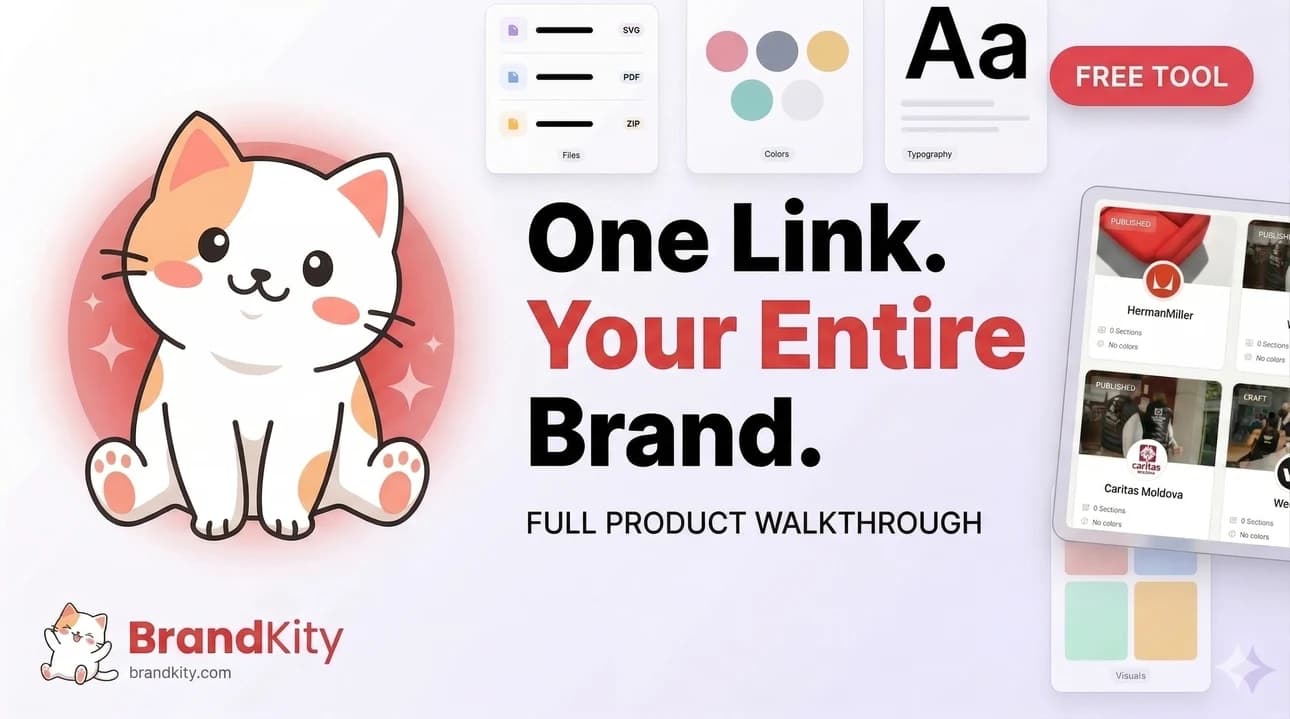
How Brand Management Platforms Streamline Complex Rebranding Projects
How Brand Management Platforms Streamline Complex Rebranding Projects Let’s face it, rebranding is rarely a walk in the park. It’s a massive undertaking, a complex puzzle with a million moving pieces. Think about it: you’re not just changing a logo; you’re potentially revamping your entire visual identity, your messaging, your tone of voice, and how

Table of contents
- How Brand Management Platforms Streamline Complex Rebranding Projects
- The Rebranding Minefield: Where Things Typically Go Awry
- The Brand Management Platform as Your Rebranding Command Center
- 1. The Single Source of Truth for All Brand Assets
- 2. Dynamic and Accessible Brand Guidelines
- 3. Streamlined Asset Distribution and Permissions
- 4. Collaboration and Feedback Loops
- 5. Enabling Global Consistency and Localization
- 6. Measuring Adoption and Impact
- Real-World Analogies: Making Sense of the Platform’s Power
- Mini Case Study: “AeroConnect” Rebrands Successfully
- Beyond the Rebrand: Ongoing Brand Health
- The Takeaway: Embrace the Future of Brand Management
How Brand Management Platforms Streamline Complex Rebranding Projects
Let’s face it, rebranding is rarely a walk in the park. It’s a massive undertaking, a complex puzzle with a million moving pieces. Think about it: you’re not just changing a logo; you’re potentially revamping your entire visual identity, your messaging, your tone of voice, and how your brand shows up everywhere from your website to your employee onboarding materials. It’s exciting, yes, but also incredibly daunting. The potential for things to go wrong, for brand assets to become inconsistent, or for teams to get confused is sky-high. This is where a robust brand management platform can transform a chaotic rebranding process into a well-orchestrated, efficient, and ultimately successful evolution.
Imagine a scenario where your company decides to undergo a significant rebranding. The marketing team is buzzing with new ideas, the design department is sketching out fresh concepts, and the communications team is preparing new messaging. But then the reality hits: where are all the old logos? Which version of the new color palette is the final one? How do we ensure every single employee across all departments and global offices is using the correct, up-to-date brand assets? Without a centralized system, this can quickly devolve into a game of telephone, email chains spanning continents, and a treasure hunt for the “right” file. It’s messy, it’s time-consuming, and it’s a recipe for brand inconsistency, which, as we know, is the kiss of death for brand equity.
A brand management platform acts as the central nervous system for your brand, especially during a major overhaul like a rebrand. It’s not just a fancy digital filing cabinet; it’s a dynamic ecosystem designed to store, manage, distribute, and govern all your brand assets and guidelines. For a rebranding project, this capability isn’t just helpful – it’s essential. It brings order to the chaos, provides a single source of truth, and ensures that everyone, everywhere, is singing from the same brand hymn sheet.
The Rebranding Minefield: Where Things Typically Go Awry
Before we dive into how a platform saves the day, let’s acknowledge the common pitfalls that make rebranding such a challenge:
- Asset Proliferation and Inconsistency: This is probably the biggest culprit. Old logos, outdated color palettes, different versions of taglines, and a myriad of file formats can easily get scattered across shared drives, individual hard drives, and cloud storage. When you’re trying to roll out a new brand, discovering that some teams are still using the old visual identity is a massive problem.
- Lack of Clear Guidelines: Rebranding often involves new rules. But if those rules are buried in lengthy PDF documents that are hard to find, interpret, or apply, they might as well not exist. This leads to guesswork, creative interpretation, and, you guessed it, inconsistency.
- Communication Breakdowns: Rebranding affects everyone – marketing, sales, product development, HR, customer support, external agencies, and even franchisees. Without a centralized hub for information and assets, communicating the changes, the rationale, and the new standards becomes a monumental task.
- Version Control Nightmares: Which is the final, approved version of the new logo? Is this the correct aspect ratio for social media? Is this the high-resolution file needed for print? Without proper version control, teams can waste hours searching for the right file or, worse, use the wrong one.
- Global Rollout Challenges: For multinational companies, rebranding adds another layer of complexity. Different regions might have unique needs, require translations, or need to adapt messaging. Ensuring consistency across diverse markets while allowing for necessary localization is a delicate dance.
- Slow Adoption Rates: Even with new assets and guidelines, getting everyone to actually use them consistently can be a struggle. If the process of finding and using approved assets is cumbersome, people will revert to what’s easiest, even if it’s outdated.
- Budget Overruns and Extended Timelines: The time spent searching for assets, correcting errors, and dealing with inconsistencies directly translates to wasted hours, which means increased costs and delayed project completion.
It’s like trying to build a magnificent new skyscraper when your construction crew is working with blueprints from different eras, using tools from various workshops, and getting instructions via carrier pigeon. It’s a recipe for disaster, not a masterpiece.
The Brand Management Platform as Your Rebranding Command Center
This is where a dedicated brand management platform steps in, offering a structured and efficient solution to navigate the complexities of a rebrand. Think of it as the ultra-modern, incredibly organized, and universally accessible headquarters for your brand’s DNA.
1. The Single Source of Truth for All Brand Assets
At its core, a brand management platform is a centralized repository for all your brand assets. During a rebrand, this becomes incredibly powerful. Instead of having logos, fonts, imagery, and templates scattered everywhere, they all live in one secure, accessible location. This means:
- Immediate Access to New Assets: Once the new brand elements are finalized, they can be uploaded and immediately made available to all authorized users. No more waiting for email attachments or digging through shared folders.
- Archiving and Deprecating Old Assets: Crucially, old assets can be clearly marked as deprecated or archived. This prevents accidental usage and ensures that everyone is looking at the “now” and not the “then.” Imagine a hypothetical company, “NovaTech,” undergoing a rebrand. They can upload their shiny new logo, color palette, and typography guidelines. Simultaneously, the old logo files can be moved to an archive section, clearly labeled “Do Not Use.” This eliminates ambiguity instantly.
- Organized and Searchable Library: Advanced platforms allow for robust metadata tagging. This means you can easily find assets by keyword, usage, project, or any other relevant criteria. For example, searching for “NovaTech new primary logo square” will instantly pull up the correct file, saving precious time. This is where understanding digital asset management metadata becomes a game-changer.
2. Dynamic and Accessible Brand Guidelines
The days of static PDF brand guidelines are numbered. While they served a purpose, they’re often cumbersome, quickly outdated, and difficult to navigate. Brand management platforms offer a more interactive and dynamic approach:
- Living Documents: Guidelines become web-based, interactive experiences. This means they can be updated in real-time. If a small tweak is made to a usage rule, it’s updated instantly for everyone. This is far more effective than issuing a new PDF version and hoping everyone downloads it.
- Visual and Interactive Examples: Instead of just text, platforms can host visual examples of correct and incorrect usage, interactive color swatches, font previews, and downloadable templates. This makes it much easier for users to understand and apply the guidelines correctly. For instance, a guideline on logo placement might include an interactive module showing how the logo scales and where it can and cannot be placed on different backgrounds.
- Customizable Views: Different teams or regions might need slightly different interpretations or applications of the brand guidelines. A platform can often allow for customized views or sections tailored to specific user groups, ensuring relevance without compromising the core brand integrity.
- Why You Should Move From PDF Brand Guidelines is a critical read for anyone still relying on outdated methods. The flexibility and accessibility of digital guidelines are paramount during a rebrand.
3. Streamlined Asset Distribution and Permissions
Rebranding requires consistent application across a wide range of touchpoints. A platform ensures this happens efficiently and securely:
- Controlled Access: Not everyone needs access to every asset. Platforms allow for granular permission settings. You can grant access to specific asset categories or entire collections based on user roles or departments. This ensures that only authorized personnel can download and use approved brand materials.
- Usage Rights Management: For licensed imagery or stock photos, platforms can track usage rights, expiry dates, and approved uses, preventing costly legal mishaps, especially when rolling out a new brand globally.
- Template Libraries: Pre-approved templates for common collateral like presentations, social media posts, or brochures can be housed within the platform. Users can download these templates with the new branding already applied, significantly speeding up content creation and ensuring consistency. Think of a hypothetical example where the marketing team needs to create social media graphics for a new campaign. Instead of starting from scratch, they can access a library of pre-sized templates pre-loaded with the new logo, colors, and fonts.
4. Collaboration and Feedback Loops
Rebranding is rarely a solo effort. Collaboration is key, and a platform can facilitate it:
- Centralized Feedback: Instead of tracking feedback across endless email threads, many platforms allow users to comment directly on assets or guidelines. This keeps all discussions in one place, making it easy to track revisions and approvals.
- Version History and Audit Trails: Every change, upload, and download is logged. This provides a clear audit trail, which is invaluable for tracking the evolution of assets during a rebrand and for accountability.
- Integration with Creative Workflows: Some platforms integrate with popular design tools, allowing designers to pull assets directly from the platform into their work, and then push updated versions back for review and approval. This seamless workflow minimizes disruption and ensures that the latest approved assets are always being used. For creative directors, this can be a lifesaver, ensuring their vision is meticulously executed. This is where understanding the role of creative brief tools can also be highly beneficial in the initial stages of defining the rebrand.
5. Enabling Global Consistency and Localization
For companies operating in multiple markets, rebranding presents a unique set of challenges:
- Brand Localization Management: A platform can manage different regional versions of assets, ensuring that while the core brand remains consistent, elements like language, imagery, and cultural nuances are appropriately localized. This is crucial for effective brand localization versus standardization.
- Translation Management: Some platforms can integrate with translation services or manage localized content directly, ensuring that all messaging and collateral are accurately translated and culturally relevant for each market. This could involve using best AI translation tools or manual translation workflows.
- Empowering Local Teams: By providing easy access to approved, localized assets and guidelines, regional teams can confidently and consistently represent the brand in their respective markets, reducing reliance on central headquarters for every minor request.
6. Measuring Adoption and Impact
A brand management platform isn’t just about storage; it’s about understanding how your brand is being used:
- Usage Analytics: Track which assets are downloaded most frequently, by whom, and for what purpose. This data can provide insights into how the new brand is being adopted and where there might be gaps or areas needing further training or support.
- Compliance Monitoring: Over time, you can use the platform to monitor for and flag any instances of non-compliance, allowing you to address issues proactively and reinforce brand standards.
Real-World Analogies: Making Sense of the Platform’s Power
To truly grasp the impact, let’s use some analogies:
- The Master Key to a Mansion: Instead of having a bunch of different keys for different rooms (old logos, new fonts, specific images), the brand management platform is like a master key that grants authorized access to every part of your brand’s “mansion,” ensuring you only enter approved spaces with the right tools.
- The Orchestra Conductor: A rebranding project can feel like a cacophony of different instruments playing their own tunes. The brand management platform, with its clear guidelines and asset distribution, is the conductor. It ensures every section (department) plays in harmony, following the same tempo and melody (brand standards).
- The Blueprint and Tool Shed for a Construction Project: Imagine building a complex structure. The platform provides the up-to-date blueprints (guidelines) and a meticulously organized tool shed (asset library) with all the right tools (approved assets) in perfect condition. This ensures every builder (employee) is working from the same plan and has what they need, preventing costly mistakes and delays.
Mini Case Study: “AeroConnect” Rebrands Successfully
Let’s look at a hypothetical company, “AeroConnect,” a global travel technology provider. They decided to undertake a significant rebrand to reflect their evolution from a booking engine to a comprehensive travel solutions platform. Their previous brand was seen as somewhat dated, and internal teams often struggled with finding the correct logos and adhering to the fragmented guidelines.
The Challenge: AeroConnect had offices in 15 countries, a remote workforce, and a growing network of partners. Rolling out a new brand identity across this dispersed ecosystem without a clear system was a daunting prospect. They feared inconsistent application, brand confusion among customers, and significant delays.
The Solution: AeroConnect implemented a robust brand management platform.
- Centralized Asset Hub: The new logo, updated color palettes, typography, photography guidelines, and all associated visual assets were uploaded and tagged meticulously. Old assets were immediately archived and flagged for non-use.
- Interactive Guidelines: Their old PDF guidelines were transformed into a dynamic, web-based portal accessible via the platform. This included interactive demos for logo usage, downloadable templates for presentations and social media, and clear DOs and DON’Ts.
- Role-Based Access: Marketing teams in each region received full access to all relevant assets and templates. Sales teams had access to presentation templates and approved collateral. HR received assets for internal communications and onboarding.
- Global Rollout: With the platform in place, AeroConnect could announce the rebrand with confidence. Employees could log in, find exactly what they needed, and implement the new branding immediately. For specific regions requiring localized messaging, dedicated folders and guidelines were created within the platform, ensuring brand integrity while respecting local market needs.
- Feedback Mechanism: A built-in commenting feature allowed regional teams to provide localized feedback on asset suitability, which was then reviewed and actioned centrally.
The Outcome: The rebranding project was completed on time and within budget. AeroConnect experienced unprecedented brand consistency across all touchpoints globally. Employee adoption of the new brand was rapid and widespread, leading to a revitalized brand perception among customers and stakeholders. The platform not only facilitated the rebrand but also became an ongoing tool for maintaining brand governance and efficiency.
Beyond the Rebrand: Ongoing Brand Health
The value of a brand management platform doesn’t end when the rebrand is launched. It’s an ongoing investment in maintaining brand health. As your brand evolves, new campaigns are launched, and new assets are created, the platform continues to be the central point of control and access. It helps in:
- Ensuring new campaigns align with brand strategy. Understanding the difference between marketing and brand management is key here, as the platform supports both.
- Managing and distributing assets for new product launches.
- Facilitating global campaign rollouts, perhaps leveraging campaign toolkits managed within the platform.
- Onboarding new employees and ensuring they are immediately aligned with brand standards.
- Maintaining internal brand engagement and fostering a strong brand culture.
- Ensuring your brand assets are ready for future innovations, like virtual environments or new digital platforms.
In essence, a brand management platform is not just a solution for a complex rebranding project; it’s a strategic investment in the long-term health, consistency, and power of your brand. It shifts the focus from managing chaos to strategically nurturing and evolving your most valuable asset.
The Takeaway: Embrace the Future of Brand Management
Rebranding is a critical juncture for any organization. It’s an opportunity to refresh, revitalize, and realign your brand with your strategic goals. But without the right tools, it can quickly become a costly, time-consuming, and potentially damaging endeavor. A comprehensive brand management platform is no longer a nice-to-have; it’s a necessity for any organization that takes its brand seriously, especially when navigating the intricate waters of a rebrand.
By providing a centralized, organized, and accessible hub for all your brand assets and guidelines, such a platform empowers your teams, ensures consistency, and ultimately safeguards your brand’s integrity. It transforms what could be a chaotic scramble into a streamlined, efficient, and successful brand evolution. Don’t let your next rebranding project be defined by confusion and inconsistency. Embrace the power of modern brand management platforms and build a stronger, more cohesive brand for the future.
Saurabh Kumar
Founder, BrandKity
Saurabh writes about practical brand systems, faster client handoffs, and scalable workflows for designers and agencies building repeatable delivery operations.
Connect on LinkedIn