
Evaluating Brand Asset Management Software for Agencies
In the highly competitive agency landscape of 2026, efficient brand asset management is no longer a luxury but a fundamental necessity for delivering …
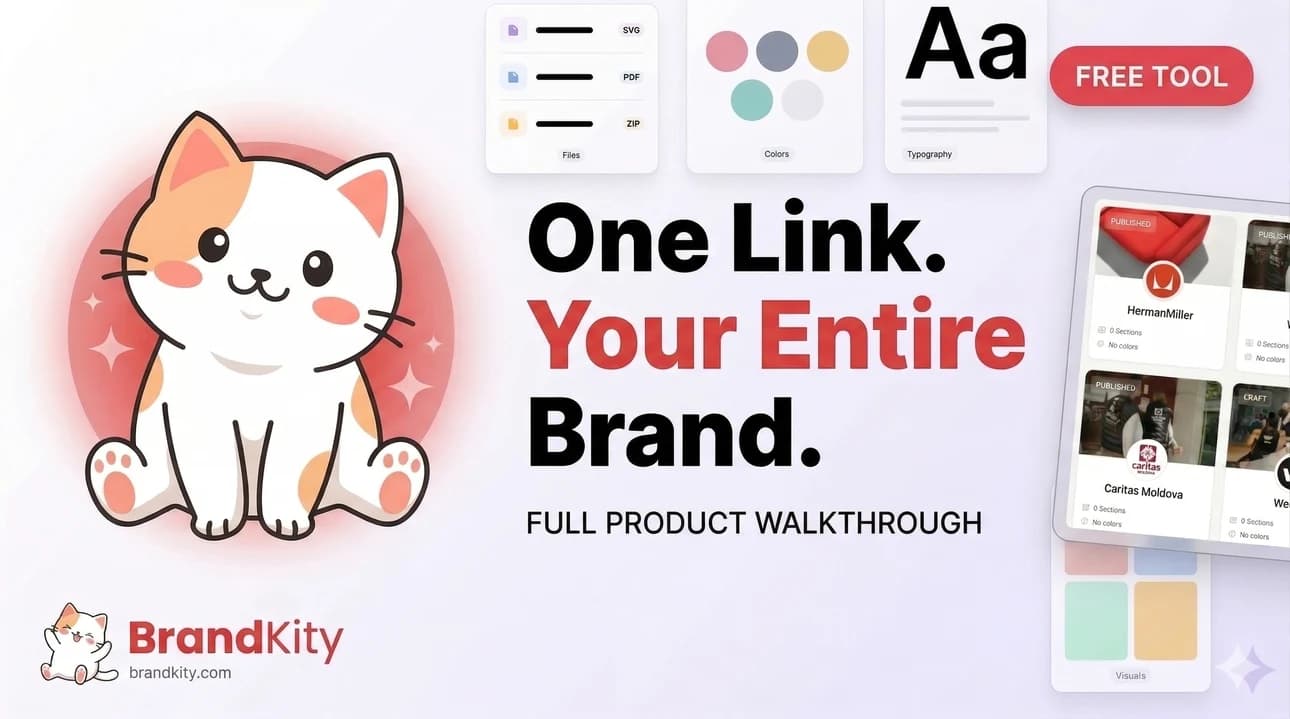
Table of contents
- The Agency Dilemma: Why Brand Asset Management is Critical for Client Success
- The Hidden Costs of Disorganized Brand Assets for Creative Agencies
- What Exactly is Brand Asset Management (BAM) for Agencies?
- Differentiating BAM from Traditional Digital Asset Management (DAM)
- The Unique Demands of Agency Workflows, Client Delivery, and Collaboration
- Integration Capabilities with Existing Agency Tools (e.g., Project Management, Design Software)
- Understanding Pricing Models: Value Beyond the Sticker Price
- Key Features: What Agencies Really Need in a BAM Solution
- Evaluating BAM Software: A Practical Framework for Agency Decision-Makers
- Real-World Agency Workflows Transformed by Effective BAM Platforms
- Streamlining Client Handoff Processes and Onboarding New Brands
- Managing Revisions and Approvals with Stakeholders and Clients
- Empowering Marketing Teams with Instant Access to On-Brand Assets
- Top Brand Asset Management Software Alternatives for Agencies (and Who Should Choose Them)
- Brandfolder, Frontify, Bynder: Strengths, Target Users, and Agency Fit
- Lingo, Playbook: Niche Offerings and Specific Agency Use Cases
- BrandKity: A Focus on Simplicity, Client Delivery, and Agency-Friendly Workflows (Comparison with ‘Single Shareable BrandKit Link’)
- Key Differentiators: Usability, Pricing Structures, and Client Experience
- Implementing and Maximizing Your BAM Investment as an Agency
- Best Practices for Asset Migration and Team Adoption
- Measuring ROI: Impact on Efficiency, Brand Consistency, and Client Satisfaction
- How does BAM differ from traditional Digital Asset Management (DAM)?
- What are the key benefits of using a BAM platform for my agency?
- Can BAM platforms help with client onboarding and offboarding?
- Is a BAM platform necessary for small to medium-sized agencies?
- What features should an agency look for in a BAM software?
- Frequently Asked Questions About Agency Brand Asset Management
- How does an agency typically implement a BAM platform?
- What types of brand assets can be managed within a BAM solution?
- Can BAM integrate with our existing project management or design software?
- How does BAM ensure brand consistency across various client projects?
- What are the benefits of using a BAM system for client collaboration?
- The Future of Agency Brand Asset Management
- The Verdict: Choosing the Right BAM Platform for Your Agency’s Future
- Key Considerations Before Making Your Final Decision
- Why Modern Agencies are Prioritizing Client-Centric BAM Solutions
In the highly competitive agency landscape of 2026, efficient brand asset management is no longer a luxury but a fundamental necessity for delivering exceptional client work. Agencies juggle multiple brands, each with distinct guidelines, logos, imagery, and a constant flow of updates. The challenge lies in maintaining brand consistency across all touchpoints while optimizing creative workflows and ensuring seamless client collaboration.
This deep dive explores how dedicated Brand Asset Management (BAM) software empowers agencies to overcome these hurdles, transforming chaotic asset repositories into a streamlined, single source of truth that benefits both your team and your clients.
The Agency Dilemma: Why Brand Asset Management is Critical for Client Success
The Hidden Costs of Disorganized Brand Assets for Creative Agencies
Disorganized brand assets are a silent drain on agency resources, often leading to significant financial and reputational costs. Creative teams spend countless hours searching for the correct logo version, the precise color swatch, or the most recent brand guideline document. This inefficiency directly impacts project timelines, delays client approvals, and increases the likelihood of errors, forcing costly re-dos. For instance, an agency might unknowingly use an outdated client logo in a major campaign, leading to public embarrassment and a loss of client trust. The cumulative effect of these small inefficiencies—such as 10-15 hours per week per creative team member spent on asset retrieval and version control—can severely erode project profitability and team morale. Adopting a structured approach to single source of truth (SSoT) where all approved brand assets and guidelines reside, accessible to both internal teams and clients. This central hub eliminates confusion over asset versions, ensures everyone is working with the most current materials, and drastically reduces the back-and-forth communication inherent in client delivery workflows. Platforms that offer a single shareable BrandKit link exemplify this, providing clients with immediate, intuitive access to everything they need. This transparency builds trust, streamlines the review and approval process, and empowers clients to self-serve, ultimately enhancing their experience and satisfaction with your agency’s professionalism.
What Exactly is Brand Asset Management (BAM) for Agencies?
Differentiating BAM from Traditional Digital Asset Management (DAM)
While often conflated, Brand Asset Management (BAM) differs significantly from traditional Digital Asset Management (DAM), especially in an agency context. DAM platforms, like those offered by enterprise software providers such as Adobe, are typically designed for broad-spectrum media management, archiving large volumes of diverse digital files—from raw video footage to historical photographs. They often come with extensive, complex features and a steep learning curve. In contrast, BAM focuses specifically on the assets critical to a brand’s identity and communication: logos, typography, color palettes, imagery, and comprehensive brand guidelines. For agencies, BAM is about ensuring brand consistency and facilitating efficient client delivery, offering a more streamlined, user-friendly experience tailored to the dynamic needs of brand-focused workflows rather than general asset archiving.
The Unique Demands of Agency Workflows, Client Delivery, and Collaboration
Agencies operate under a unique set of demands that generic asset management solutions often fail to address. They manage multiple client brands simultaneously, each with distinct requirements, deadlines, and stakeholders. This necessitates a solution that supports rapid iteration, intuitive client handoffs, and seamless collaboration across diverse teams—internal creatives, external freelancers, and the clients themselves. A core requirement is the ability to maintain rigorous brand governance while remaining agile enough to adapt to client feedback and evolving brand strategies. Without specialized BAM, agencies risk prolonged approval cycles, misuse of outdated assets, and a fragmented approach to brand delivery, all of which impede efficiency and client satisfaction. Solutions designed for single shareable BrandKit link, which simplifies the entire sharing process. Clients can instantly view logos, color codes, approved imagery, and even short video snippets without needing logins or extensive training. This streamlined fast onboarding and a straightforward user experience, allowing designers, marketers, and project managers to quickly grasp its functionalities. A successful BAM solution is one that becomes an indispensable part of an agency’s operational fabric, not another underutilized tool. Conduct pilot programs with actual end-users to gauge real-world usability and ensure high adoption rates.
Integration Capabilities with Existing Agency Tools (e.g., Project Management, Design Software)
A BAM system operates within a larger ecosystem of agency tools. Its true value is amplified by its ability to integrate with existing project management platforms (e.g., Asana, Monday.com), design software (e.g., Adobe Creative Suite), and communication tools (e.g., Slack). Seamless integration prevents data silos, reduces manual asset transfers, and minimizes errors, creating a more cohesive and efficient
As an agency grows, so does its volume of clients and brand assets. The chosen BAM solution must be inherently scalable, capable of accommodating increased storage needs, more users, and an expanding array of features without performance degradation. Evaluate its capacity to handle a rising number of client portals and assets without incurring exorbitant costs or requiring a complete system overhaul. Consider whether the platform is regularly updated with new features and security enhancements, indicating a commitment to innovation and longevity. Investing in a future-proof platform ensures that your agency’s brand operations remain efficient and competitive, preventing the need for costly migrations or compromises in service quality down the line.
Understanding Pricing Models: Value Beyond the Sticker Price
Evaluating BAM software pricing requires looking beyond the basic subscription fee. Agencies must consider the total cost of ownership, including potential hidden costs such as storage overages, additional user licenses for clients, premium support, and advanced features. Different pricing models exist—per-user, per-asset, or tiered based on features—and understanding which aligns best with your agency’s size, client volume, and growth projections is crucial. Focus on the platform’s overall value proposition, weighing the cost against the efficiencies gained, errors prevented, and enhanced client satisfaction. A solution that saves significant time and reduces errors can justify a higher sticker price, offering a strong return on investment. For a detailed breakdown, refer to resources on selecting the best brand asset management platform.
Key Features: What Agencies Really Need in a BAM Solution
Beyond the fundamental concept of centralized storage, an effective Brand Asset Management (BAM) solution for agencies must offer a robust set of features tailored to the dynamic needs of client work. Critical functionalities include intuitive search and filtering capabilities, allowing teams to quickly locate assets using keywords, tags, metadata, or even visual recognition. Version control is paramount, ensuring that the latest approved assets are always accessible, while also maintaining a history of previous iterations. Granular access permissions and user roles are essential for controlling who can view, edit, or publish assets, protecting brand guidelines and client confidentiality. Collaborative tools, such as annotation and feedback loops, streamline the review and approval process, minimizing communication bottlenecks. Furthermore, features like white-labeling and customizable client portals allow agencies to maintain their brand identity while providing a seamless experience for their clients, making the BAM system feel like an extension of their own services. Reporting and analytics capabilities provide valuable insights into asset usage, performance, and compliance, helping agencies optimize their content strategy.
Evaluating BAM Software: A Practical Framework for Agency Decision-Makers
Selecting the right BAM software is a strategic decision that impacts an agency’s operational efficiency and client satisfaction. A structured evaluation framework can guide decision-makers through this process. Begin by conducting a thorough internal audit to define your agency’s specific needs, pain points, and asset management goals. This includes identifying the types of assets managed, the number of users, desired workflows, and existing technology stack. Next, research and shortlist vendors that align with these initial requirements, leveraging industry reviews and peer recommendations. Schedule detailed demonstrations with shortlisted providers, focusing on how their features address your identified needs, and insist on trial periods to test the platform with actual agency data and workflows. Assess the vendor’s commitment to ongoing support, training, and continuous development, as this speaks to the platform’s long-term viability. Finally, revisit the total cost of ownership, factoring in not just subscription fees but also potential implementation costs, training expenses, and any future scalability considerations. By following this comprehensive framework, agencies can make an informed decision that secures a BAM solution capable of driving growth and enhancing service delivery.
While the foundational elements of digital asset management are crucial, a true Brand Asset Management solution for agencies must extend beyond basic storage and retrieval. It requires a specialized suite of functionalities designed to support the complexities of client relationships, diverse project pipelines, and stringent brand guidelines. The most effective BAM platforms act as an operational backbone, providing not just efficiency, but a competitive edge.
At its core, a BAM system must offer an intelligent, centralized repository for all brand assets. This goes beyond simple file storage, providing robust metadata management, AI-powered tagging, and advanced search capabilities that can quickly locate assets based on keywords, visual characteristics, or even contextual usage. This ensures that creative teams, account managers, and clients always access the correct, approved versions of any asset.
Streamlined workflow and collaboration tools are indispensable. Agencies navigate intricate review and approval processes, often involving multiple internal stakeholders and external clients. A superior BAM solution facilitates this with intuitive annotation tools, automated feedback loops, clear task assignments, and customizable approval workflows that reduce bottlenecks and accelerate project delivery.
Comprehensive version control and asset lifecycle management are critical for maintaining brand consistency and mitigating risk. The system must not only track every iteration of an asset but also clearly delineate approved versions, allowing users to revert to previous states if necessary. This capability ensures that only brand-compliant assets are distributed, while also preserving a valuable historical record.
Granular security and access control are non-negotiable, particularly when managing sensitive client assets and proprietary brand information. Agencies require the ability to define precise user roles and permissions, controlling who can view, edit, download, or publish specific assets. Robust data encryption, secure sharing protocols, and compliance features further protect intellectual property and uphold confidentiality.
Seamless integrations and scalability are paramount for agencies operating within a complex tech ecosystem. A best-in-class BAM solution should integrate effortlessly with existing project management platforms, creative suites like Adobe Creative Cloud, marketing automation tools, and CRM systems. Furthermore, it must be able to scale efficiently to accommodate an agency’s growth, increasing client roster, and expanding asset libraries without compromising performance.
Finally, customization, white-labeling, and client portals elevate the client experience. Agencies need the flexibility to brand the BAM platform as their own, offering clients a bespoke, intuitive portal for accessing relevant assets. This professional presentation reinforces the agency’s brand identity and provides a transparent, efficient channel for asset delivery, further strengthening client relationships.
Real-World Agency Workflows Transformed by Effective BAM Platforms
Streamlining Client Handoff Processes and Onboarding New Brands
For agencies, the client handoff and new brand onboarding phases are often bottlenecked by disorganized assets. An effective Brand Asset Management (BAM) platform serves as a central repository, ensuring that all approved logos, brand guidelines, typography files, and marketing collateral are instantly accessible. This eliminates the frantic search through email threads or scattered cloud folders, providing a brand consistency from day one.
The transition from project completion to client ownership becomes remarkably smoother. With BAM, agencies can configure specific access permissions, ensuring clients only see and download final, approved assets relevant to their usage rights. This structured approach prevents the accidental use of outdated or unapproved versions, which is a common pitfall in manual handoff processes. Furthermore, the platform’s ability to host comprehensive
Managing Revisions and Approvals with Stakeholders and Clients
The iterative nature of creative work often involves numerous revisions and approvals from various internal and external stakeholders. A robust BAM platform integrates approval workflows that simplify this complex process, moving beyond cumbersome email chains and manual tracking. Agencies can upload design drafts, annotate feedback directly on assets, and route them for review to specific individuals or groups. This creates a clear audit trail, documenting every comment, revision, and final approval, which is crucial for accountability and avoiding miscommunications. For example, a design for “Innovate Tech’s” new campaign can be shared, reviewed by their marketing director and legal team simultaneously, with all feedback consolidated in one place.
The ability to manage version control effectively is paramount here. BAM systems automatically track different iterations of an asset, allowing users to easily revert to previous versions if needed, or compare changes side-by-side. This capability prevents the confusion of “finalfinal.jpeg” versus “finalfinal_v2.jpeg,” ensuring that only the most current, approved asset is available for use. This not only streamlines communication but also drastically reduces the time spent chasing approvals and managing conflicting feedback. The benefit extends to internal teams too, where art directors can quickly approve junior designers’ work before it even reaches the client, ensuring internal quality checks are robust.
Empowering Marketing Teams with Instant Access to On-Brand Assets
Internal marketing teams within agencies often need quick access to a wide array of assets for pitches, proposals, social media campaigns, and internal communications. Without a BAM platform, this can lead to significant time waste as team members search through shared drives, internal communication channels, or even request assets directly from the creative department. An effective BAM solution transforms this by providing an intuitive, searchable portal where marketing professionals can instantly find and download
Top Brand Asset Management Software Alternatives for Agencies (and Who Should Choose Them)
Brandfolder, Frontify, Bynder: Strengths, Target Users, and Agency Fit
When evaluating leading Brand Asset Management (BAM) platforms, Brandfolder, Frontify, and Bynder frequently emerge as top contenders, each offering robust features tailored for different scales and complexities. Brandfolder, known for its intuitive interface and powerful AI-powered search, excels in large enterprises with extensive asset libraries and diverse user groups. Its strengths lie in intelligent asset tagging, advanced analytics, and seamless integrations with a wide range of marketing and creative tools, making it suitable for agencies managing complex client portfolios demanding deep data insights. However, its comprehensive feature set often comes with a higher price point, making it more aligned with larger agencies or those servicing enterprise-level clients.
Frontify positions itself strongly around brand guidelines and creative collaboration, acting as a central hub for defining and distributing brand standards. It offers highly customizable brand portals, design system management, and tools for creative teams to build and maintain consistent brand identities across all touchpoints. This makes Frontify an excellent fit for branding agencies or creative shops where establishing and enforcing strict brand governance is a core offering. Its collaborative features are particularly beneficial for design-heavy workflows, though agencies primarily focused on simple asset sharing might find some of its advanced brand-building features more than they initially require. It provides a strong framework for living Bynder alternative with more client-delivery focus, other options might be explored.
Lingo, Playbook: Niche Offerings and Specific Agency Use Cases
Beyond the enterprise-grade solutions, platforms like Lingo and Playbook carve out valuable niches, appealing to agencies with specific needs, particularly in design and creative operations. Lingo, developed by the team behind Sketch, is primarily a visual asset manager focused on creating and sharing style guides and asset libraries for design teams. Its strength lies in its simplicity and direct integration with design workflows, allowing designers to easily sync components, colors, and typography. For agencies with a strong product design focus or those deeply integrated with digital product development, Lingo offers an intuitive way to maintain asset organization, but scalability for client delivery needs to be considered.
BrandKity: A Focus on Simplicity, Client Delivery, and Agency-Friendly Workflows (Comparison with ‘Single Shareable BrandKit Link’)
BrandKity enters the market with a distinct focus on addressing the core pain points of creative agencies and startups:
The platform is designed to be a true “single source of truth” for brand assets, directly countering the common agency challenge of scattered files and outdated versions. Agencies can easily create custom, branded portals for each client, ensuring a professional and consistent brand experience. This focus on client delivery sets BrandKity apart from platforms like Lingo, which are more internal design system-focused, or even robust DAMs like Brandfolder that might offer similar features but with a greater learning curve and cost. BrandKity’s appeal lies in its rapid setup, intuitive user interface, and clear emphasis on making the agency-client asset exchange as efficient and error-free as possible, ensuring that every delivered asset is the correct one, easily found, and always on-brand. It empowers agencies to deliver a polished, professional brand package with minimal administrative overhead.
Key Differentiators: Usability, Pricing Structures, and Client Experience
The choice of a BAM platform for agencies often boils down to several critical differentiators: usability, pricing structures, and the overall client experience. Usability is paramount for agency adoption; complex interfaces lead to low internal buy-in and client frustration. Platforms like BrandKity, with their focus on simplicity and intuitive navigation, tend to excel here, contrasting with more feature-heavy enterprise DAMs that might require extensive training. Agencies need a system that their entire team, from designers to account managers, can quickly grasp and utilize without constant support.
Pricing structures vary significantly, from subscription models based on storage and users (common with Brandfolder, Bynder, Frontify) to more value-based models focused on active clients or branded portals (like BrandKity). Agencies must evaluate not just the upfront cost but the long-term scalability and whether the pricing aligns with their client-centric business model. Hidden costs for additional features or integrations can quickly inflate the total investment. For instance, a platform with a predictable per-client portal cost might be more attractive than one with tiered storage that rapidly increases with asset volume.
Finally, the client experience is often the deciding factor for agencies. A BAM platform should enhance, not hinder, the agency’s ability to deliver value to its clients. This includes the ease with which clients can access assets, the professionalism of the brand portal, and the clarity of asset usage guidelines. Platforms like BrandKity, designed specifically for client delivery with a “single shareable BrandKit link,” inherently prioritize this aspect. The ability to quickly and securely share the exact assets clients need, without them having to log into complex systems or navigate confusing interfaces, significantly elevates the agency’s perceived professionalism and efficiency, fostering stronger client relationships and reducing support queries.
Implementing and Maximizing Your BAM Investment as an Agency
Best Practices for Asset Migration and Team Adoption
Successful implementation of a Brand Asset Management (BAM) platform within an agency hinges critically on effective asset migration and securing enthusiastic team adoption. The first step involves a comprehensive asset audit and cleanup. Agencies should categorize existing assets, identify duplicates, remove outdated files, and ensure all current brand assets are properly tagged with metadata. This pre-migration organization is crucial for a clean start and efficient searchability within the new system. A common pitfall is attempting to migrate everything without curation, leading to a cluttered BAM and replicating old problems.
For team adoption, strong leadership buy-in and clear communication are essential. Agency leadership must articulate the “why” behind the BAM investment, highlighting benefits like increased efficiency, reduced errors, and enhanced client satisfaction. Providing tailored training sessions for different roles—designers, account managers, marketing teams—can significantly boost engagement. For designers, focus on integration with creative tools; for account managers, emphasize easy client sharing. Establishing a “BAM Champion” within the agency who can provide ongoing support and collect feedback also fosters a sense of ownership and smooths the transition. Celebrate early wins, such as finding a specific asset in seconds, to demonstrate tangible value.
Measuring ROI: Impact on Efficiency, Brand Consistency, and Client Satisfaction
Measuring the Return on Investment (ROI) from a BAM platform requires tracking improvements across several key areas: operational efficiency, brand consistency, and client satisfaction. Operational efficiency can be quantified by monitoring metrics such as time saved on asset requests and searches, reduced revision cycles, and faster project completion times. For example, if an account manager spends 5 hours less per week searching for assets, this translates directly into billable hours or time redirected to higher-value tasks. Agencies can establish baseline metrics before implementation and track changes post-BAM.
Brand consistency, while sometimes harder to measure directly, can be assessed through internal audits of marketing materials, client feedback on brand adherence, and a reduction in instances where incorrect or outdated logos are used. A strong BAM platform significantly minimizes these errors by making approved assets the only easily accessible ones, thus preserving brand integrity across all campaigns. Finally, client satisfaction is a critical indicator. Agencies can measure this through client surveys specifically asking about the ease of receiving assets, the clarity of brand guidelines, and the overall professional experience of asset handoff. High client satisfaction often leads to stronger relationships, repeat business, and positive referrals, directly impacting the agency’s bottom line. The improved
How does BAM differ from traditional Digital Asset Management (DAM)?
While DAM focuses broadly on managing all digital assets, BAM specifically centers on assets that pertain to a brand’s identity and guidelines. For agencies, BAM platforms are often tailored with features for client-facing delivery, brand guideline enforcement, and multi-brand management. Many modern BAM solutions, like BrandKity, emphasize simplified client access and a “single source of truth” for brand elements, often through shareable brand portals, which can be a more specialized approach than a generic DAM.
What are the key benefits of using a BAM platform for my agency?
Agencies benefit from BAM platforms by achieving significant improvements in efficiency through faster asset retrieval, reduced errors in brand usage, and streamlined client handoffs. It ensures consistent brand representation across all projects, enhances collaboration with clients and internal teams, and ultimately boosts client satisfaction by providing easy access to accurate, up-to-date brand assets and guidelines.
Can BAM platforms help with client onboarding and offboarding?
Absolutely. BAM platforms significantly streamline client onboarding by providing a ready-made, branded portal for new clients to access all their brand essentials immediately. For offboarding, it ensures a complete and organized handoff of all final approved assets, minimizing disputes and providing a professional close to the engagement. Platforms with features like BrandKity’s single shareable BrandKit link are designed specifically for this purpose.
Is a BAM platform necessary for small to medium-sized agencies?
Yes, even small to medium-sized agencies can reap substantial benefits from a BAM platform. While larger agencies may have more assets, smaller agencies often face similar challenges with disorganized files, version control issues, and inefficient client communication. A BAM solution helps them professionalize their operations, scale more effectively, and compete with larger firms by delivering a superior, organized client experience, much like how
What features should an agency look for in a BAM software?
Agencies should prioritize features such as intuitive user interface, robust search and tagging capabilities, customizable brand portals, version control, approval workflows, client-specific access permissions, and integration capabilities with other creative or project management tools. A focus on client delivery, like the “single shareable BrandKit link” offered by BrandKity, is also a significant advantage for agency-specific workflows.
Frequently Asked Questions About Agency Brand Asset Management
How does an agency typically implement a BAM platform?
Implementing a BAM platform usually involves several key steps: initial setup and configuration of the platform to match the agency’s and its clients’ structures, migrating existing brand assets and guidelines into the system, defining user roles and permissions, and training internal teams and relevant client stakeholders. Many platforms offer onboarding support to ensure a smooth transition and maximize adoption.
What types of brand assets can be managed within a BAM solution?
A comprehensive BAM solution is designed to manage a wide array of brand assets. This typically includes logos, brand guidelines (color palettes, typography, usage rules), imagery (photos, illustrations), video files, audio clips, marketing collateral templates, approved fonts, legal disclaimers, and even specific design components or code snippets. The goal is to centralize everything needed to represent a brand consistently.
Can BAM integrate with our existing project management or design software?
Many modern BAM platforms offer robust integration capabilities. Agencies should look for solutions that can connect with popular tools like Adobe Creative Cloud for design workflows, project management software such as Asana or Trello for task coordination, and communication platforms like Slack. These integrations streamline processes, reduce manual data entry, and ensure assets are easily accessible within the tools your team already uses daily.
How does BAM ensure brand consistency across various client projects?
BAM platforms enforce brand consistency by serving as the “single source of truth” for all approved brand assets and guidelines. Key features like version control ensure only the latest assets are used, while approval workflows prevent unauthorized or off-brand content from being published. Client-specific portals and permissions ensure that each client’s team only accesses and uses their own designated, up-to-date brand elements, preventing mix-ups and maintaining brand integrity across multiple projects simultaneously.
What are the benefits of using a BAM system for client collaboration?
BAM systems significantly enhance client collaboration by providing a centralized, organized, and accessible repository for all brand assets. Clients can easily access approved logos, marketing materials, and brand guidelines anytime, anywhere, reducing the need for constant back-and-forth communication. Features like shareable links for specific asset collections or entire brand kits, along with clear version control, ensure clients are always working with the most current and accurate brand elements. This transparency and ease of access not only speeds up project timelines but also builds trust and strengthens the agency-client relationship by demonstrating professionalism and organizational efficiency.
- Centralized access to approved assets
- Reduced communication overhead
- Improved client trust and satisfaction
- Streamlined review and approval processes
- Enhanced project efficiency
The Future of Agency Brand Asset Management
The landscape of Brand Asset Management (BAM) for agencies is continually evolving, driven by technological advancements and the increasing demands of digital-first marketing. We can expect to see even more sophisticated AI-powered features emerge, such as automated content tagging and analysis, intelligent asset recommendations based on project needs, and predictive analytics to understand asset performance. Integration will become even deeper and more seamless, with BAM platforms acting as central hubs that connect directly with a wider array of marketing automation, CRM, and even generative AI tools. Personalization will also be a key trend, allowing agencies to deliver highly customized brand experiences to their clients through tailored asset libraries and dynamic content generation. Ultimately, the future of BAM for agencies lies in its ability to not only store and manage assets but to actively contribute to the strategic execution and measurement of brand campaigns, becoming an indispensable tool for driving client success in a complex digital world.
The Verdict: Choosing the Right BAM Platform for Your Agency’s Future
Selecting a brand asset management (BAM) platform is a pivotal decision for any agency aiming to enhance operational efficiency and client satisfaction. The ideal solution should not merely store files but actively facilitate seamless collaboration, streamlined client delivery, and robust brand governance. When evaluating options, consider your agency’s specific workflows, the volume and type of assets you manage, and the critical need for consistent brand representation across all client projects. A platform that offers intuitive organization, granular permissions, and efficient search capabilities will prevent costly bottlenecks and creative delays. Ultimately, the right BAM software becomes an extension of your agency’s expertise, enabling you to scale effectively and deliver superior value to your clients.
Key Considerations Before Making Your Final Decision
Before committing to a brand asset management platform, it’s crucial to establish a clear set of evaluation criteria tailored to your agency’s unique operational landscape. Beyond basic storage, consider the platform’s ability to support complex version control, ensuring that only the latest approved assets are accessible. Evaluate the ease of integration with your existing tool stack; a BAM system that functions in isolation creates new silos rather than breaking down old ones. Pay close attention to the client-facing capabilities. Can the platform facilitate branded portals for clients to access and download assets, or does it require cumbersome manual sharing? Scalability is another paramount concern; the system must grow with your agency, accommodating an increasing number of clients, projects, and assets without performance degradation. Security protocols should also be rigorously assessed, particularly concerning client data and proprietary brand assets. Look for features like audit trails and user activity logs to maintain accountability. Understanding the onboarding process and ongoing support model is also vital, as a steep learning curve or inadequate support can hinder adoption and negate the intended benefits. For instance, an agency might find a platform with extensive customization options appealing, only to realize the complexity of implementation and ongoing maintenance outweighs the benefits for their team size and technical expertise. Prioritize features that directly address your most significant pain points, whether that’s disorganized files, slow client approvals, or inconsistent brand application in marketing collateral. A thoughtful approach to these considerations will significantly increase the likelihood of selecting a BAM solution that provides long-term value and supports your agency’s growth objectives. For agencies looking to refine their asset organization, exploring guides on organizing brand assets can provide foundational insights applicable to platform selection.
Why Modern Agencies are Prioritizing Client-Centric BAM Solutions
In today’s competitive agency environment, the client experience is as critical as the creative output. Modern agencies recognize that a brand asset management solution is not just an internal tool but a vital component of their client delivery strategy. Platforms that excel in offering client-facing portals and simplified asset sharing are gaining significant traction. These solutions transform the often-frustrating process of asset handover into a smooth, branded experience, fostering client trust and reinforcing the agency’s professionalism. The ability to provide clients with a single, secure, and easily navigable repository for all their brand assets—logos, imagery, guidelines, and more—significantly reduces the back-and-forth that can consume valuable time. This is particularly true when it comes to delivering final brand packages or ongoing asset updates. For example, an agency might implement a BAM system that allows them to create a unique, branded download page for each client, complete with specific asset sets relevant to that client’s current campaigns. This not only streamlines delivery but also enhances brand consistency for the client, as they are always presented with approved, up-to-date materials. Such client-centric features directly address common agency pain points, such as managing multiple client requests for the same asset or ensuring clients use the correct file formats. It moves beyond basic Digital Asset Management (DAM) to offer a true Brand Delivery System. Agencies that prioritize these client-focused functionalities can differentiate themselves, secure repeat business, and position themselves as indispensable strategic partners rather than just service providers. This focus on enhancing the client journey through efficient asset management is a hallmark of forward-thinking agencies. Solutions that offer a streamlined brand delivery through a single, shareable link, much like what is achieved with a system designed for selecting the best brand asset management platform with an agency focus, are becoming indispensable for fostering strong client relationships and demonstrating tangible value.
Ultimately, the investment in a BAM platform that prioritizes client needs translates directly into improved client retention and stronger partnerships. By offering a superior brand delivery experience, agencies can solidify their reputation for efficiency, reliability, and strategic partnership. This focus on the client journey is what separates good agencies from great ones in the current market.
Saurabh Kumar
Founder, BrandKity
Saurabh writes about practical brand systems, faster client handoffs, and scalable workflows for designers and agencies building repeatable delivery operations.
Connect on LinkedIn