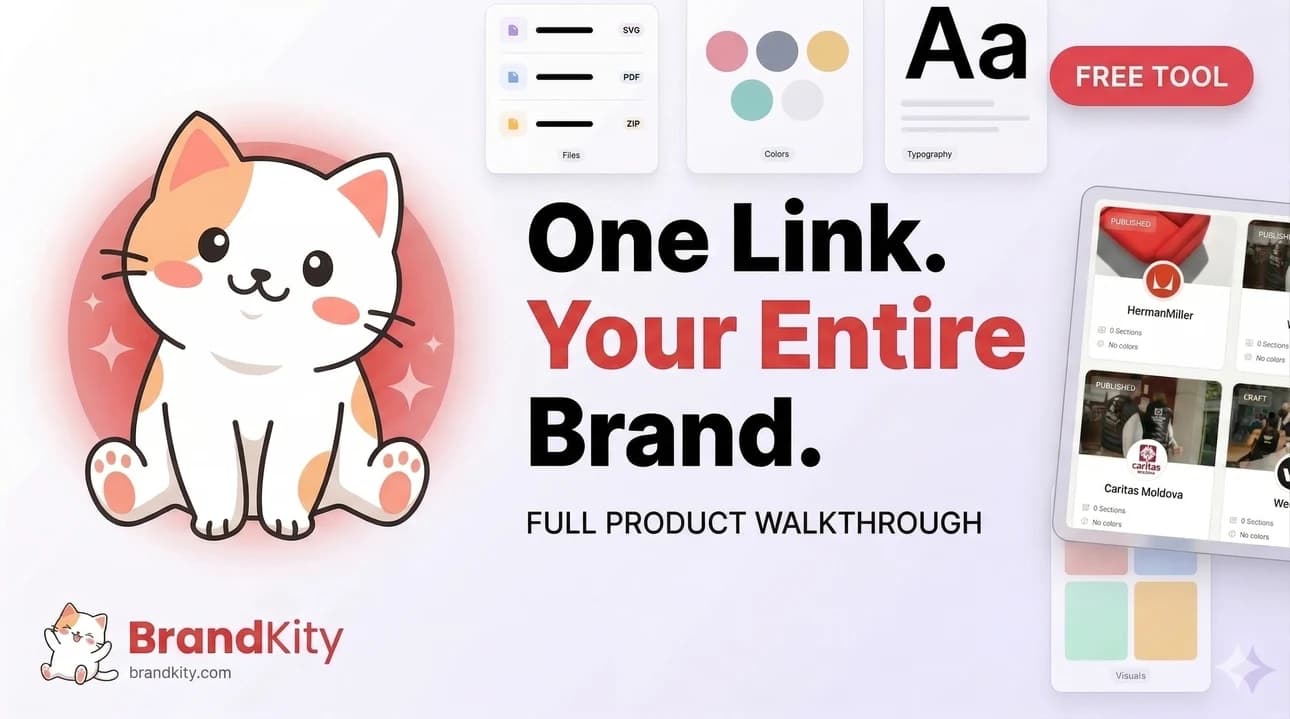
Digital And Online Assets Examples
Digital And Online Assets: Your Brand’s Invisible Inventory Hey there! Ever felt like you’re juggling a million different files, images, videos, and documents for your brand, and sometimes, you just can’t find that one crucial thing when you need it most? Yeah, we’ve all been there. It’s like having a massive warehouse but no inventory

Table of contents
- Digital And Online Assets: Your Brand’s Invisible Inventory
- The Building Blocks: Visual Identity Assets
- Content is King (and Queen): Marketing and Communication Assets
- Operational and Internal Assets
- The Power of Digital Asset Management
- Examples in Action: Brands Nailing Their Assets
- The Future of Digital Assets: AI and Automation
- Conclusion: Your Assets Are Your Brand’s Foundation
Digital And Online Assets: Your Brand’s Invisible Inventory
Hey there! Ever felt like you’re juggling a million different files, images, videos, and documents for your brand, and sometimes, you just can’t find that one crucial thing when you need it most? Yeah, we’ve all been there. It’s like having a massive warehouse but no inventory system. This is where understanding and managing your digital and online assets becomes not just helpful, but absolutely essential for any successful brand.
Think of your brand as a person. Its personality is built through its messaging, its values, and how it looks and sounds. All these elements are captured and communicated through its assets. From the logo you see on a billboard to the catchy jingle in a radio ad, to the carefully crafted social media post – these are all pieces of your brand’s identity. And in today’s world, most of these pieces live in the digital realm.
So, what exactly are we talking about when we say “digital and online assets”? It’s a pretty broad term, but at its core, it refers to any piece of digital content that represents or supports your brand. This includes everything from the most basic visual elements to complex multimedia files. Let’s break it down and look at some real-world examples, because seeing them in action is often the best way to understand their importance.
The Building Blocks: Visual Identity Assets
These are probably the most commonly thought-of assets. They are the visual cornerstones of your brand, providing immediate recognition and consistency across all touchpoints. Without these, your brand would be an amorphous blob, difficult to identify and remember.
- Logos: This is the most fundamental asset. Think of the golden arches of McDonald’s, the bitten apple of Apple, or the swoosh of Nike. They are instantly recognizable and carry a wealth of brand associations. Brands have multiple versions: full color, black and white, favicon, social media profile versions, and often variations for different applications (e.g., a stacked logo versus a horizontal one).
- Color Palettes: The specific shades of blue used by Facebook, the vibrant red of Coca-Cola, or the calming greens of Starbucks. These colors evoke emotions and create a consistent look and feel. Having defined hex codes, RGB, and CMYK values ensures these colors are reproduced accurately everywhere.
- Typography: The fonts your brand uses. Consider the classic, elegant serif font of The New York Times or the modern, clean sans-serif of Google. Different fonts convey different personalities – formal, playful, sophisticated, approachable. It’s not just about one font; it often includes primary and secondary fonts for headlines, body text, and other uses.
- Imagery and Photography: This is a huge category! It includes:
- Product Shots: High-quality images of your products, often in various settings or from different angles. Think of the crisp, lifestyle shots of furniture on IKEA’s website or the detailed product photos on Amazon.
- Lifestyle Photography: Images that show people using your product or service in aspirational or relatable scenarios. Patagonia’s photography often features adventurous individuals in stunning natural landscapes, reinforcing their brand’s outdoor ethos.
- Brand-Specific Illustrations and Graphics: Unique illustrations or graphic elements that are part of your brand’s visual language. Think of the playful characters used by Duolingo or the distinctive graphics that accompany articles on certain news sites.
- Iconography: Custom-designed icons that represent features, services, or concepts. These are crucial for user interfaces, websites, and marketing materials to convey information quickly and visually.
- Brand Guidelines/Style Guides: This is the “rulebook” for all your visual assets. It dictates how logos should be used (and misused), what colors and fonts are permitted, and the overall visual tone of the brand. A well-structured style guide is critical for ensuring consistency, especially when multiple teams or external agencies are involved. It’s the blueprint for how to make brand assets easy to find and use correctly.
Imagine a new marketing intern starting. Without easy access to a well-organized repository of these visual assets and clear guidelines on their use, they might download a low-resolution logo from Google Images, use a slightly off-shade of the brand color, or pick a font that doesn’t align with the brand’s established aesthetic. The result? Inconsistent branding that weakens the brand’s impact and confuses the audience. This is a classic case of fragmented content operations leading to bigger problems.
Content is King (and Queen): Marketing and Communication Assets
Beyond the core visual identity, brands create a vast array of content to engage their audience, tell their story, and drive business objectives. These assets are the lifeblood of your marketing efforts.
- Website Content: This includes everything on your website – the text copy, blog posts, landing pages, case studies, testimonials, and even the underlying code that makes it all work. For instance, the detailed product descriptions and customer reviews on an e-commerce site are vital assets.
- Social Media Content: This is a dynamic and ever-evolving category. It encompasses:
- Images and Graphics: Posts, stories, profile banners, and ad creatives tailored for platforms like Instagram, Facebook, Twitter, LinkedIn, TikTok, etc.
- Videos: Short-form videos (Reels, TikToks), explainer videos, behind-the-scenes content, and longer-form promotional videos.
- Copy: The text accompanying social media posts, including captions, hashtags, and calls to action.
- Video Content: This is a powerful medium and includes:
- Explainer Videos: Short animated or live-action videos that explain a product, service, or concept. Think of the clear, concise videos that companies like Slack use to show off their features.
- Promotional Videos: Advertisements designed to drive sales or awareness.
- Testimonial Videos: Satisfied customers sharing their positive experiences.
- Webinars and Online Course Content: Recorded sessions and accompanying materials for educational purposes.
- Internal Training Videos: For onboarding new employees or teaching existing ones about new procedures.
- Audio Assets:
- Podcasts: Brand-produced podcasts that offer value and establish thought leadership.
- Brand Jingles and Sound Logos: Short, memorable audio clips that are associated with your brand, like the Intel inside sound.
- Voiceovers: For videos, ads, or IVR systems.
- Marketing Collateral: This traditionally referred to print materials, but now heavily includes digital versions:
- E-books and Whitepapers: In-depth content used for lead generation.
- Presentations and Decks: Sales pitches, investor presentations, and internal reports.
- Infographics: Visually appealing ways to present data and information.
- Email Templates: Designed for newsletters, promotional campaigns, and customer service communications.
- Ad Creatives: This is a massive and highly specific category, especially when aiming to create display ads at scale. It includes static banner ads, animated GIFs, HTML5 ads, video ads, and social media ad units in various sizes and formats, all designed to grab attention and drive clicks.
Consider a company launching a new product. They’ll need website copy, blog posts announcing the launch, social media graphics and videos, email marketing campaigns, and potentially even a webinar to demonstrate its features. If these assets are scattered across different drives, cloud storage accounts, and individual team members’ computers, it becomes a nightmare to coordinate. This is where effective tools for managing creative projects become invaluable, ensuring everyone is working with the latest versions and adhering to brand guidelines.
Operational and Internal Assets
These assets might not be seen by the end consumer, but they are critical for the smooth functioning of the business and for maintaining internal brand integrity and efficiency.
- Presentations and Templates: Standardized PowerPoint or Google Slides templates for internal meetings, client presentations, and sales proposals. This ensures a consistent look and feel even for internal communications.
- Documents and Reports: Internal strategy documents, market research reports, financial statements, HR policies, and operational manuals.
- Spreadsheets: Data sets, financial models, project plans, and tracking sheets.
- Code Snippets and Web Assets: HTML, CSS, JavaScript files, website themes, plugins, and other digital building blocks for web development.
- Software Licenses and Product Keys: Digital records of your software investments.
- Employee Headshots and Bios: Essential for your “About Us” page, internal directories, and employer branding efforts.
- Contracts and Legal Documents: Signed agreements, NDAs, and other critical legal paperwork.
- Data and Analytics: Raw data, dashboards, and reports from analytics platforms.
For example, a sales team needs access to the latest product spec sheets, pricing lists, and approved presentation decks. If they’re using outdated information, they could make incorrect promises to potential clients, leading to dissatisfaction and lost deals. Similarly, HR needs easy access to onboarding documents and company policies to ensure a smooth and compliant process for new hires. This highlights the importance of digital asset management for marketing operations, ensuring all departments have the correct tools at their disposal.
The Power of Digital Asset Management
Now, you might be thinking, “Okay, I get it. There are a lot of digital assets.” But the real challenge isn’t just having them; it’s managing them effectively. This is where the concept of a centralized Digital Asset Management (DAM) system comes into play.
A DAM is essentially a specialized system designed to store, organize, find, retrieve, and share all of your brand’s digital assets. Think of it as a highly intelligent, searchable library for everything your brand creates and uses. Instead of digging through endless folders on a shared drive or relying on memory, a DAM allows you to:
- Centralize Storage: All your assets are in one secure, accessible location.
- Improve Searchability: Advanced tagging, metadata, and AI-powered search make finding assets incredibly fast. You can search by keywords, project names, dates, file types, or even by what’s in an image.
- Ensure Brand Consistency: By providing easy access to approved, up-to-date assets and enforcing usage guidelines, a DAM helps maintain brand integrity across all channels.
- Streamline Workflows: Integrations with other tools can automate tasks, facilitate approvals, and make collaboration smoother. This is crucial when you need to manage creative projects efficiently.
- Control Access and Permissions: You can define who can view, download, or edit specific assets, protecting sensitive information and ensuring the right people have access to the right materials. This is particularly important when considering aspects like gdpr digital asset management consent.
- Track Usage and Analytics: Understand which assets are being used most frequently, by whom, and where.
- Facilitate Scalability: As your brand grows and creates more content, a DAM system can scale with you, preventing the chaos that often accompanies content growth.
Consider a global brand with teams in multiple countries. Without a DAM, each regional office might be creating its own variations of marketing materials, leading to brand fragmentation and wasted resources. A DAM ensures everyone is working from the same playbook, using the globally approved assets. This is especially relevant for franchises that rely on co-op marketing, like in the auto franchise co op marketing scenario, where consistent branding is paramount.
Examples in Action: Brands Nailing Their Assets
Let’s look at a couple of hypothetical, but realistic, scenarios:
Mini Case Study 1: The E-commerce Retailer
Imagine “CozyHome Decor,” an online retailer specializing in unique home furnishings. They have thousands of product images, lifestyle shots, explainer videos for assembly, blog posts about interior design trends, social media graphics for promotions, and email templates for customer engagement. Before implementing a DAM, their marketing team spent hours searching for the correct product image for a new ad campaign. They found an older version of a product shot that didn’t reflect a recent design update. The ad went live, causing customer confusion and returns. After implementing a DAM, they tagged all product images with SKU numbers, materials, colors, and dimensions. Now, the marketing team can instantly search for “blue velvet armchair, mid-century modern style, autumn collection” and find the exact, high-resolution image needed, with usage rights clearly defined.
Mini Case Study 2: The Tech Startup
A fast-growing tech startup, “Innovate Solutions,” has a constant stream of updates, feature releases, and new marketing initiatives. They produce blog posts, social media content, webinars, press releases, product demo videos, and sales decks. Their engineering, marketing, and sales teams often worked in silos, leading to a disconnect. The marketing team would design a social media graphic, but the sales team would use an outdated presentation template for their pitches. By using a DAM integrated with their project management tools, Innovate Solutions created a single source of truth. The marketing team uploads all approved visual assets and copy. Sales and engineering teams can easily access the latest versions of presentations, product spec sheets, and approved imagery, ensuring everyone is aligned. This allows them to manage creative projects much more effectively.
The Future of Digital Assets: AI and Automation
The landscape of digital assets is constantly evolving, and artificial intelligence is playing an increasingly significant role. We’re seeing AI being used for:
- Automated Tagging: AI can analyze images and videos to automatically generate relevant tags, significantly speeding up the organization process.
- Content Generation: AI tools are emerging that can help create various forms of content, from ad copy to basic image variations. This ties into the rise of best AI marketing tools.
- Personalization: AI can help tailor content and assets to specific audience segments, improving engagement.
- Content Analysis: AI can analyze the performance of assets, suggesting which ones are most effective and predicting future trends.
- Brand Compliance Checks: AI can scan content to ensure it adheres to brand guidelines, checking for correct logo usage, colors, and messaging. This contributes to responsible AI brand reputation management.
The ability to leverage these technologies is becoming a competitive advantage. Brands that embrace these advancements can create, manage, and deploy their assets more efficiently and effectively than ever before.
Conclusion: Your Assets Are Your Brand’s Foundation
Understanding and actively managing your digital and online assets isn’t just an IT task or a marketing department’s job; it’s a strategic imperative for the entire organization. These assets are the tangible representations of your brand’s identity, values, and offerings. They are the building blocks of your customer experience, your internal communication, and your market presence.
Whether it’s the logo that makes you instantly recognizable, the video that explains your complex service, or the social media post that sparks a conversation, every digital asset plays a role. Fragmented content operations, a lack of clear guidelines, or simply not knowing where to find what you need can lead to wasted time, inconsistent branding, and missed opportunities. It’s like trying to build a skyscraper with scattered bricks and no blueprints – it’s bound to be unstable and inefficient.
Investing in a robust system to manage these assets empowers your teams, strengthens your brand’s consistency, and ultimately drives better business outcomes. It’s about making sure that every piece of your brand’s story is told clearly, consistently, and effectively, no matter where or how it’s seen. So, take a moment to look at your own digital inventory. Are your assets working for you, or are you working for them? It’s time to take control and build a stronger, more cohesive brand.
Saurabh Kumar
Founder, BrandKity
Saurabh writes about practical brand systems, faster client handoffs, and scalable workflows for designers and agencies building repeatable delivery operations.
Connect on LinkedIn