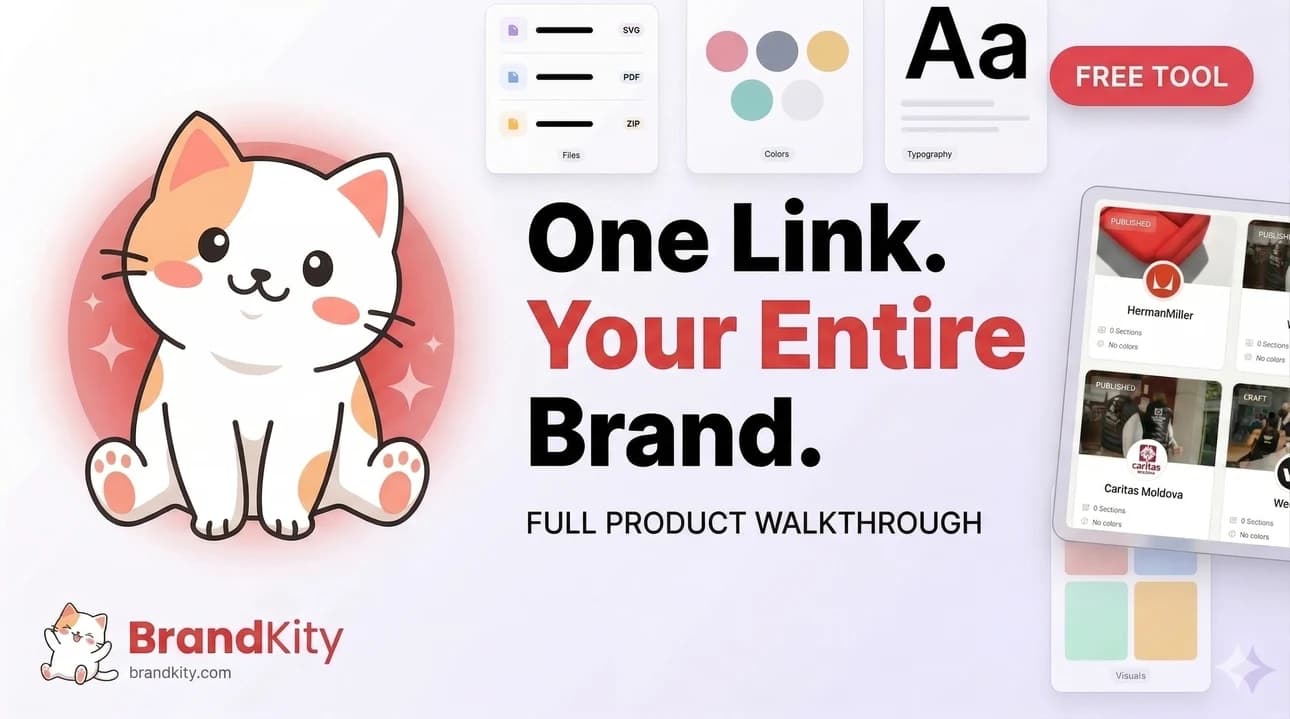
Creative Asset Management Software
The Unsung Hero of Modern Marketing: Why Creative Asset Management Software is Non-Negotiable Let’s be honest. In the whirlwind of today’s business world, especially for creative teams and marketing departments, things can get… chaotic. Imagine this: a vital campaign is launching next week, and the marketing manager is frantically emailing twenty different people, trying to

Table of contents
- The Unsung Hero of Modern Marketing: Why Creative Asset Management Software is Non-Negotiable
- What Exactly Is Creative Asset Management Software?
- Why Does Your Business Need This? The Real-World Impact
- Scenario 1: The Frantic Ad Campaign
- Scenario 2: Onboarding a New Employee
- Scenario 3: Working with External Agencies or Freelancers
- The Evolution of Creative Asset Management
- Key Features to Look For in Creative Asset Management Software
- 1. Intuitive Search and Organization
- 2. Robust Version Control
- 3. User Permissions and Access Control
- 4. Brand Guidelines and Governance Features
- 5. Collaboration and Workflow Tools
- 6. Integrations
- Beyond Storage: The Strategic Advantage of CAM
- Boosting Productivity and Reducing Costs
- Ensuring Brand Consistency Across All Touchpoints
- Enabling Faster Time-to-Market
- Empowering Creativity, Not Hindering It
- Implementing Creative Asset Management: Best Practices
- The Future of Creative Asset Management
The Unsung Hero of Modern Marketing: Why Creative Asset Management Software is Non-Negotiable
Let’s be honest. In the whirlwind of today’s business world, especially for creative teams and marketing departments, things can get… chaotic. Imagine this: a vital campaign is launching next week, and the marketing manager is frantically emailing twenty different people, trying to track down the latest version of the brand logo. Or perhaps a new team member needs a presentation template, but they’re lost in a labyrinth of shared drives and desktop folders, unsure which is the “official” one. Sound familiar? If you’re nodding along, then it’s time we had a chat about Creative Asset Management (CAM) software. It’s not just a fancy tech term; it’s the secret sauce that keeps creative wheels turning smoothly, efficiently, and most importantly, on-brand.
Think of your brand’s creative assets – logos, images, videos, presentations, documents, brand guidelines – as the building blocks of your identity. They’re the visual language that communicates who you are to the world. Without a solid system to manage these blocks, your brand story can become disjointed, inconsistent, and frankly, a little messy. That’s where creative asset management software steps in, acting as your central, organized hub for all things creative.
What Exactly Is Creative Asset Management Software?
At its core, creative asset management software is a specialized system designed to help organizations store, organize, find, share, and repurpose their digital creative assets. It’s more than just a glorified cloud storage solution; it’s a strategic platform that brings order to the creative chaos. Think of it as a highly intelligent, super-organized digital library, but for all your brand’s visual and creative content.
Instead of having files scattered across individual hard drives, email threads, and various cloud folders, a CAM system centralizes everything. This means your entire team, from designers and marketers to sales and external partners, can access the most up-to-date, on-brand assets from a single, secure location. This isn’t just about tidiness; it’s about empowering your team to work faster, smarter, and more consistently.
Let’s break down what these platforms typically offer:
- Centralized Storage: All your creative assets are housed in one secure, accessible place. No more hunting through endless folders.
- Intelligent Organization: Assets are tagged, categorized, and can be easily searched using keywords, metadata, and even visual recognition (thanks to AI advancements!).
- Version Control: Ever used an outdated logo? CAM systems track revisions, ensuring everyone is using the latest approved version.
- Permissions and Access Control: You can control who sees what, ensuring sensitive assets remain private and only approved versions are shared externally.
- Workflow and Collaboration Tools: Many platforms facilitate feedback loops, approvals, and project management, streamlining the creative process.
- Brand Governance: They often include features to house brand guidelines, ensuring everyone understands and adheres to your brand’s visual identity. This is crucial for maintaining a consistent brand kit.
- Usage Rights Management: Keep track of licensing and usage permissions for images, videos, and other licensed content.
- Reporting and Analytics: Understand how your assets are being used, which ones are most popular, and identify gaps in your content library.
Why Does Your Business Need This? The Real-World Impact
Okay, so it sounds organized, but what’s the tangible benefit? Let’s move beyond the jargon and look at how CAM software solves real business problems and drives growth.
Scenario 1: The Frantic Ad Campaign
A company is launching a major advertising campaign across multiple channels – social media, print, digital ads, and their website. The creative team has developed stunning visuals, but the social media manager needs a specific aspect ratio for Instagram Stories, the print designer needs high-resolution files for a magazine ad, and the web team needs optimized JPEGs.
Without CAM: The social media manager sends an email: “Does anyone have that hero image in 1080×1920? The one from last week?” The print designer is rummaging through a shared drive, finding a file named “Hero_Image_FINAL_v3_REALLYFINAL.psd” and hoping it’s the right one. The web team, meanwhile, has downloaded a low-res version from a presentation and is trying to crop it, resulting in a pixelated mess. This leads to delays, inconsistent messaging, and potentially off-brand visuals being published.
With CAM: The social media manager logs into the CAM platform, searches for “hero image,” filters by “Instagram Story ratio,” and downloads the correct file in seconds. The print designer searches for “hero image,” filters by “print resolution” and “CMYK,” and gets the precise file needed. The web team searches for “hero image,” filters by “web optimized” and “JPEG,” and downloads a perfectly formatted asset. Everything is consistent, on-brand, and the campaign launches on time. This efficiency directly contributes to the branding advantage for business growth.
Scenario 2: Onboarding a New Employee
A new junior marketer joins the team. Their first task is to create a sales deck for an upcoming client meeting. They’ve been given access to a shared drive, but it’s a jumbled mess of folders like “Presentations,” “Templates,” “Marketing Materials,” and “Old Stuff.” They spend hours sifting through countless versions, unsure which PowerPoint template is the current one, where to find the latest company logos, and what the correct color hex codes are.
Without CAM: The new hire feels overwhelmed and frustrated. They might accidentally use an outdated template, an old logo, or incorrect brand colors, leading to a presentation that looks unprofessional and off-brand. This not only reflects poorly on the company but also wastes the employee’s valuable time and the manager’s time spent correcting mistakes.
With CAM: The new hire is granted access to the CAM platform. They navigate to the “Templates” section, find the approved sales deck template, and all the required brand assets (logos, approved imagery, fonts) are readily available and searchable within the platform. They can even access a digital brand guide to ensure correct usage. Their first task is completed efficiently and accurately, fostering confidence and a positive onboarding experience.
Scenario 3: Working with External Agencies or Freelancers
A small business owner decides to outsource some graphic design work to a freelancer. They need to provide the freelancer with brand assets, but they’re unsure how to share them securely and efficiently.
Without CAM: The business owner might zip up a folder of assets and email it, hoping the freelancer receives it. Or they might use a free file-sharing service, which might have security concerns or file size limitations. The freelancer might then send back drafts for approval via email, leading to endless attachments and confusion about which version is the latest feedback.
With CAM: The business owner creates a dedicated project folder within their CAM system and invites the freelancer with specific viewing and downloading permissions. They can upload the necessary brand assets, and the freelancer can access them anytime. When the freelancer submits drafts, they can be uploaded directly to the CAM platform, and feedback can be provided directly within the system, often with annotation tools. This streamlines communication and ensures the freelancer is always working with the correct brand assets.
These scenarios highlight how CAM software isn’t just a nice-to-have; it’s a fundamental tool for operational efficiency, brand consistency, and ultimately, business success. It’s about ensuring that every piece of content your brand puts out into the world is professional, cohesive, and aligned with your overall brand strategy versus marketing strategy.
The Evolution of Creative Asset Management
The concept of managing creative assets isn’t entirely new. For decades, companies have had physical archives and digital folders. However, the explosion of digital content, the rise of remote work, and the increasing demand for personalized, multi-channel marketing have made traditional methods completely inadequate.
Early digital asset management (DAM) systems were often complex, expensive, and primarily focused on large enterprises with massive media libraries. They were powerful but not always user-friendly for everyday creative teams.
The advent of cloud computing and advancements in AI have revolutionized CAM. Today’s platforms are:
- More Accessible: Cloud-based solutions mean you don’t need massive IT infrastructure. They are often subscription-based, making them affordable for businesses of all sizes, from startups to large enterprises.
- More User-Friendly: Modern interfaces are intuitive and designed with the creative user in mind.
- Smarter: AI is playing an increasingly significant role. Think automated tagging, intelligent search based on image content, and even AI-powered content suggestions. The impact of AI in digital asset management is profound, making assets not just findable but understandable.
- More Integrated: They can often connect with other tools you use daily, like design software, project management platforms, and content management systems, creating a seamless workflow.
This evolution means that sophisticated asset management is no longer the exclusive domain of giants. Smaller businesses and branding agencies, in particular, can leverage these tools to punch above their weight. For agencies looking to scale, having a robust system to manage client assets is non-negotiable. It’s a key differentiator and a sign of professionalism. You can explore how to build such an agency in a building a startup branding agency a step by step guide.
Key Features to Look For in Creative Asset Management Software
When you’re evaluating CAM solutions, it’s easy to get overwhelmed by the sheer number of features. Here are some of the most critical ones to prioritize:
1. Intuitive Search and Organization
This is arguably the most important feature. If you can’t find your assets quickly, the system fails. Look for robust search capabilities, including:
- Metadata Tagging: The ability to add detailed tags (keywords, project names, dates, usage types, etc.) to assets.
- Advanced Search Filters: Allowing users to narrow down results by file type, date created, author, tags, and custom fields.
- AI-Powered Recognition: Some systems can automatically identify objects, colors, or even text within images, making them searchable without manual tagging.
2. Robust Version Control
This is crucial for preventing the use of outdated or incorrect assets. A good system should:
- Track all revisions: Clearly show the history of an asset.
- Allow rollback: Easily revert to previous versions if needed.
- Prevent deletion of critical versions: Ensure important historical assets are preserved.
3. User Permissions and Access Control
Not everyone needs access to everything. Granular control is essential for security and brand integrity:
- Role-based permissions: Assign different access levels to user groups (e.g., view-only, download, edit, upload).
- Folder-level permissions: Control access to specific folders or asset categories.
- External sharing controls: Manage who can share assets externally and for how long.
4. Brand Guidelines and Governance Features
This is where CAM truly shines for brand consistency:
- Centralized Brand Guidelines: Store and easily access your brand style guides, logos, color palettes, and typography.
- On-Brand Check: Some advanced systems can even flag assets that deviate from brand standards.
- Templating: Easy access to approved templates for presentations, social media posts, documents, etc.
5. Collaboration and Workflow Tools
Streamlining the creative process:
- Commenting and Annotation: Allow team members or clients to provide feedback directly on assets.
- Approval Workflows: Set up multi-stage approval processes for creative assets.
- Task Assignment: Assign tasks related to asset creation or modification.
6. Integrations
Your CAM system shouldn’t exist in a silo. Look for integrations with the tools your team already uses:
- Design Software: Adobe Creative Suite, Figma, Sketch.
- Productivity Tools: Microsoft Office, Google Workspace.
- Project Management: Asana, Trello, Monday.com.
- Content Management Systems (CMS): WordPress, Drupal.
Choosing the right platform often involves understanding your specific needs. Are you a small agency needing to manage multiple client brands? A large enterprise with thousands of global assets? A retail company needing to manage product imagery? The solution for each will differ. Understanding the nuances of managing content in specific industries, like digital asset management in retail, can help tailor your search.
Beyond Storage: The Strategic Advantage of CAM
It’s easy to think of CAM as just a place to dump files. But when implemented effectively, it becomes a strategic asset in itself.
Boosting Productivity and Reducing Costs
Time is money, as they say. How much time does your team spend searching for assets? How much time is lost correcting brand inconsistencies? CAM software dramatically reduces these inefficiencies.
Imagine the cost of a marketing campaign being delayed because the wrong asset was used, or an entire batch of social media posts going out with an outdated logo. These aren’t just minor hiccups; they can have significant financial implications and damage brand reputation. By ensuring everyone has access to the right assets, quickly and easily, CAM software pays for itself many times over.
Ensuring Brand Consistency Across All Touchpoints
In an age of fragmented media consumption, maintaining a consistent brand message is paramount. A strong brand communication strategy relies on consistent visual representation.
CAM software acts as the guardian of your brand identity. By centralizing brand guidelines and approved assets, it ensures that no matter who is creating content or where it’s being published, it adheres to your brand’s visual standards. This builds trust with your audience and strengthens your brand recognition.
Enabling Faster Time-to-Market
For many businesses, speed is a competitive advantage. Whether it’s launching a new product, responding to a market trend, or executing a seasonal campaign, the ability to deploy marketing materials quickly is crucial.
With all assets readily available and organized, creative teams can assemble campaigns much faster. Designers can pull approved elements, marketers can build collateral, and social media managers can schedule posts without the bottleneck of asset retrieval. This agility is essential in today’s fast-paced market.
Empowering Creativity, Not Hindering It
Some might worry that strict asset management stifles creativity. The opposite is often true. When designers and marketers don’t have to waste energy on administrative tasks like searching for files or ensuring brand compliance, they have more mental bandwidth for actual creative work.
Furthermore, CAM platforms can often suggest related assets or variations, sparking new ideas. It’s about providing a solid foundation so that creativity can flourish, rather than being bogged down by logistical hurdles. The conversation around AI vs creativity often touches on how technology can augment, not replace, human ingenuity. CAM tools are a prime example of this.
Implementing Creative Asset Management: Best Practices
Choosing the software is only the first step. Successful implementation requires a strategic approach:
- Define Your Needs: What are your biggest asset management pain points? What types of assets do you manage? Who needs access?
- Establish a Clear Taxonomy: Develop a consistent system for naming files, tagging assets, and organizing folders. This is foundational.
- Develop Comprehensive Metadata Standards: Decide what information needs to be captured for each asset.
- Create and Document Brand Guidelines: Ensure your brand rules are clear, accessible, and integrated into the system.
- Train Your Users: Provide thorough training to all users, explaining the benefits and how to use the system effectively.
- Start Small and Iterate: You don’t have to migrate every single asset on day one. Start with key asset types or projects and gradually expand.
- Assign Ownership: Designate someone responsible for managing the CAM system, ensuring it stays organized and up-to-date.
For larger organizations, an enterprise DAM migration strategy is essential to ensure a smooth transition. It involves careful planning, data cleansing, and phased rollout to minimize disruption.
The Future of Creative Asset Management
As technology continues to evolve, CAM software will become even more intelligent and integrated. We can expect:
- Deeper AI Integration: More sophisticated automated tagging, content analysis, and predictive asset recommendations.
- Enhanced Personalization: AI will help surface the most relevant assets for specific campaigns or audiences.
- Seamless Workflow Automation: Even more end-to-end automation for content creation and distribution.
Saurabh Kumar
Founder, BrandKity
Saurabh writes about practical brand systems, faster client handoffs, and scalable workflows for designers and agencies building repeatable delivery operations.
Connect on LinkedIn