Create Brand Guideline Book
The Ultimate Guide to Creating Your Brand Guideline Book Hey there, fellow brand enthusiasts! Ever look at a perfectly cohesive marketing campaign and wonder, “How do they do that?” The secret sauce often lies in something fundamental, something that acts as the North Star for every visual and verbal communication: a robust brand guideline book.
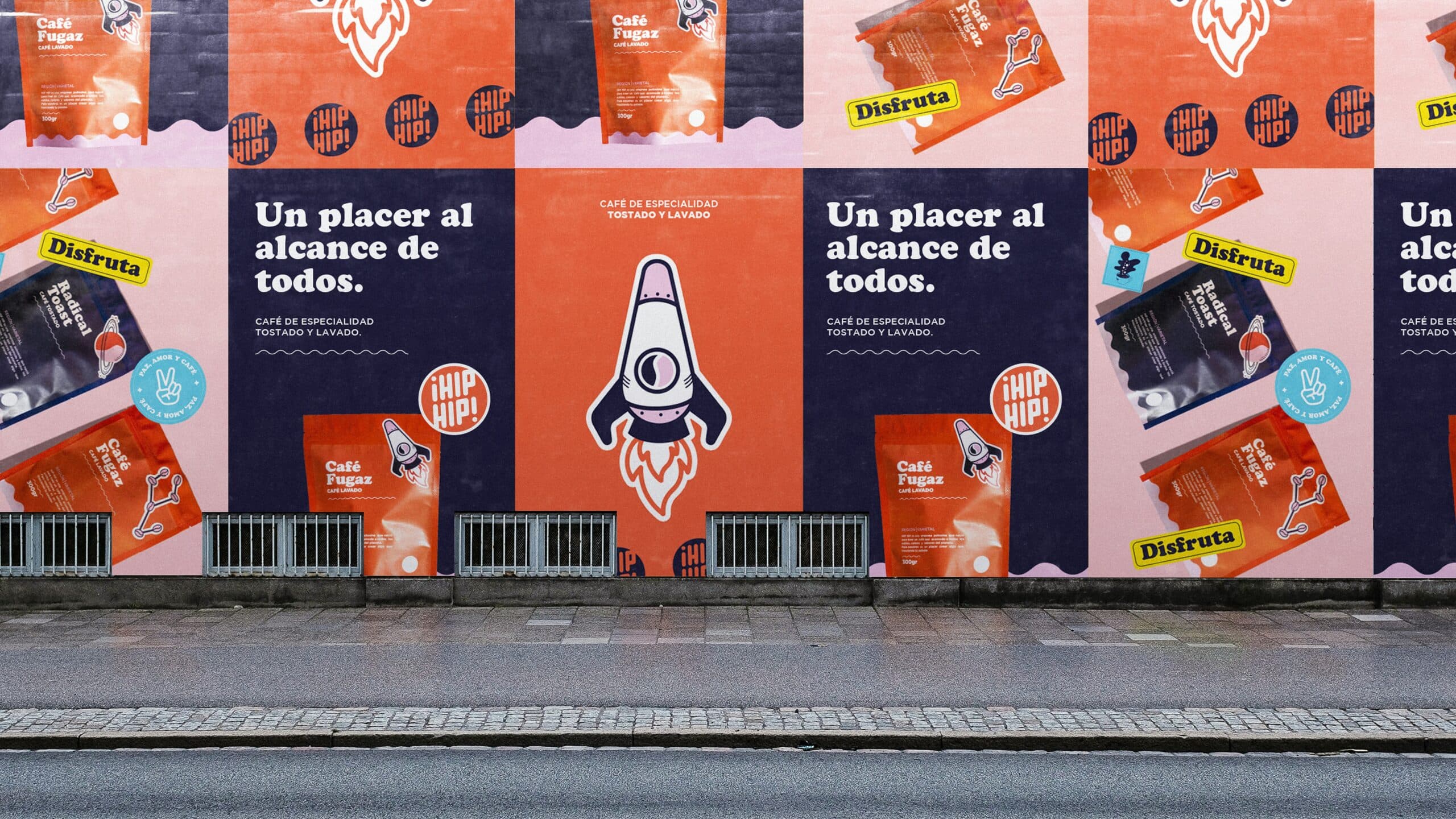
Table of contents
- The Ultimate Guide to Creating Your Brand Guideline Book
- Why Bother with a Brand Guideline Book?
- What Goes into a Comprehensive Brand Guideline Book?
- 1. Introduction & Brand Overview
- 2. Logo Usage Guidelines
- 3. Color Palette
- 4. Typography
- 5. Imagery & Photography Style
- 6. Voice and Tone
- 7. Application Examples
- 8. Brand Assets
- How to Create Your Brand Guideline Book: A Practical Approach
- Step 1: Gather Your Existing Brand Assets
- Step 2: Define Your Brand Foundation (If Not Already Clear)
- Step 3: Develop Your Visual Identity Elements
- Step 4: Craft Your Brand Voice and Tone
- Step 5: Document Everything
- Step 6: Get Feedback and Refine
- Step 7: Implement and Distribute
- Step 8: Review and Update Regularly
- Mini Case Study: “The Coffee Roaster”
The Ultimate Guide to Creating Your Brand Guideline Book
Hey there, fellow brand enthusiasts! Ever look at a perfectly cohesive marketing campaign and wonder, “How do they do that?” The secret sauce often lies in something fundamental, something that acts as the North Star for every visual and verbal communication: a robust brand guideline book.
Think of your brand guideline book as the ultimate rulebook for your brand’s identity. It’s not just a fancy PDF; it’s a living, breathing document that ensures consistency, builds recognition, and ultimately, strengthens your brand’s impact. Whether you’re a seasoned marketer or just starting to build your brand’s presence, understanding how to create and leverage a brand guideline book is crucial. And honestly? It’s not as daunting as it might sound. We’re going to break it down, step-by-step, and equip you with everything you need to build a guideline book that truly shines.
Why Bother with a Brand Guideline Book?
Before we dive into the “how,” let’s touch on the “why.” Why invest time and resources into creating this document? The benefits are immense, impacting everything from internal team alignment to external brand perception.
- Consistency is King (and Queen): This is the big one. Imagine your logo appearing in different colors on your website and then in print. Or your brand voice shifting from formal and authoritative on social media to casual and quirky in an email newsletter. Inconsistent branding confuses your audience and dilutes your message. A guideline book ensures that every touchpoint, from a business card to a billboard, speaks with the same voice and looks with the same eyes.
- Building Brand Recognition: The more consistently your brand elements are presented, the more familiar they become to your audience. Think about the Nike swoosh or the McDonald’s golden arches. You recognize them instantly, no matter where you see them. This level of recognition is built on unwavering consistency, which is precisely what your brand guidelines facilitate. It helps your audience form strong brand association meaning examples that stick.
- Empowering Your Team (and Partners): If you work with designers, marketers, content creators, or external agencies, a clear set of guidelines means they don’t have to guess. They have a definitive source of truth. This saves time, reduces revisions, and ensures everyone is working towards the same brand vision. This is especially important for roles like the Role Of Brand And Marketing Manager, who often orchestrates these efforts.
- Streamlining Operations: When everyone knows the rules, processes become smoother. Onboarding new team members is easier. Marketing campaigns can be rolled out faster. Content creation becomes more efficient. It’s about setting up your brand for success by removing ambiguity.
- Protecting Your Brand Equity: Misuse of your brand elements can damage your reputation and dilute your brand’s perceived value. Guidelines protect your logo, color palette, typography, and other assets from being used incorrectly, ensuring they always represent your brand in the best possible light.
- Foundation for Scalability: As your brand grows, so will your team and your marketing efforts. A well-established set of brand guidelines provides a scalable framework that can accommodate new products, services, and markets without sacrificing brand integrity.
In essence, a brand guideline book is an investment in your brand’s long-term health and success. It’s the blueprint that ensures your brand is not just seen, but truly understood and remembered.
What Goes into a Comprehensive Brand Guideline Book?
Alright, let’s get down to the nitty-gritty. What are the essential components you need to include? While the exact structure can vary depending on your brand’s complexity, here’s a breakdown of the key sections:
1. Introduction & Brand Overview
This is your brand’s “why” and “who.” It sets the stage and provides context for all the visual and verbal elements that follow.
- Brand Story/Mission/Vision/Values: Briefly articulate what your brand stands for, its purpose, and its core beliefs. This helps anyone working with the brand understand its soul.
- Brand Personality/Archetype: Describe your brand’s character. Is it playful, sophisticated, rebellious, nurturing? Using archetypes (like the Hero, the Sage, the Jester) can be a helpful framework here.
- Target Audience: Briefly outline who you are trying to reach. This helps inform the tone and style of communication.
- Unique Selling Proposition (USP) / Brand Differentiation: What makes you stand out? This section reinforces your brand differentiation strategies.
2. Logo Usage Guidelines
Your logo is often the most recognizable element of your brand. This section is critical.
- Primary Logo: Showcase your main logo clearly.
- Logo Variations: Include all approved variations (e.g., horizontal, stacked, icon-only, monochrome). Explain when and where each variation should be used. For example, the Slack logo transparent version is often used on dark backgrounds, which is a specific usage rule.
- Clear Space: Define the minimum clear space around the logo. This ensures it’s never crowded by other elements and maintains its visual integrity. Imagine giving your logo room to breathe!
- Minimum Size: Specify the smallest size the logo can be reproduced at to ensure legibility, both in print and digital.
- Logo Misuse: This is crucial! Show examples of what not to do. This includes stretching, distorting, recoloring, adding effects (like shadows or gradients), or placing it on busy backgrounds without proper contrast. Seeing a visual “do not” list is incredibly effective.
- Iconic Logo Designs are great examples to study here, understanding how even the simplest forms have strict rules.
3. Color Palette
Colors evoke emotions and associations. Defining your palette ensures a consistent emotional impact.
- Primary Colors: Your main brand colors.
- Secondary Colors: Accent colors that complement the primary ones.
- Usage Ratios: Provide guidance on how often and where to use each color (e.g., 60% primary, 30% secondary, 10% accent).
- Color Values: Specify color values for all applications:
- HEX codes (for web and digital)
- RGB values (for digital screens)
- CMYK values (for print)
- Pantone (PMS) codes (for precise color matching in professional printing)
- Color Combinations: Show approved color pairings for backgrounds, text, and graphical elements.
- Accessibility Considerations: Mention contrast ratios for text and backgrounds to ensure readability for everyone. You might even reference tools like color palette generators that help ensure accessibility.
4. Typography
Fonts carry personality and influence readability. Choose wisely and define their use.
- Primary Typeface(s): Your main fonts for headlines and body text.
- Secondary Typeface(s) (if applicable): For specific uses like captions, quotes, or accents.
- Usage Guidelines:
- Hierarchy: How to use different font weights and sizes for headings, subheadings, body copy, captions, etc.
- Fallback Fonts: Specify acceptable system fonts to use if your primary fonts cannot be displayed (especially important for web).
- Web vs. Print: Are the same fonts used across both? If not, specify the differences.
- Character Set: Mention if special characters or languages are supported.
- Kerning and Leading: While sometimes too technical for a general guide, you might specify general principles if very particular about spacing.
5. Imagery & Photography Style
The visuals you use tell a story. Define the look and feel.
- Photography Style: Describe the desired mood, tone, subject matter, and composition. Are photos candid or staged? Bright and airy or moody and dramatic? What kind of people, environments, or objects should be featured?
- Illustration Style: If you use illustrations, define their aesthetic. Are they flat, 3D, hand-drawn, abstract? Provide examples. This relates to guides on brand and product illustrations on a budget.
- Iconography: Specify the style of icons used (e.g., line art, solid, filled). Provide a set of approved icons and their usage rules.
- Image Misuse: Similar to the logo, show examples of what to avoid, like using stock photos that don’t fit the brand or images with poor resolution. This is where good image tagging in your asset management system becomes essential.
- Video Style (if applicable): Briefly touch upon the visual and audio style for videos.
6. Voice and Tone
How your brand sounds is just as important as how it looks.
- Brand Voice: The overarching personality of your brand in communication. (e.g., Friendly, Professional, Authoritative, Witty).
- Brand Tone: The emotional inflection of the voice, which can vary depending on the context and audience. (e.g., Tone for a social media post might be more casual than a press release).
- Dos and Don’ts: Provide concrete examples of language to use and avoid. This is invaluable for copywriters and anyone creating content.
- Key Messaging: Outline core messages or taglines.
7. Application Examples
Show, don’t just tell! Seeing the guidelines in action makes them much easier to understand and apply.
- Marketing Collateral: Business cards, letterheads, brochures, flyers.
- Digital Assets: Website mockups, social media posts, email newsletters, ad banners.
- Presentations: Slide templates.
- Signage and Merchandise: Examples of how the brand appears in physical spaces or on products.
8. Brand Assets
While not always a part of the document itself, the guidelines should point to where all approved brand assets can be found. This is where robust Digital Asset Management Vs File Management systems come into play. It’s vital to have a central repository for every approved brand asset.
How to Create Your Brand Guideline Book: A Practical Approach
Now that you know what needs to be in it, let’s talk about the process of creating it. It’s a collaborative effort that requires input from various stakeholders.
Step 1: Gather Your Existing Brand Assets
Start by collecting everything you currently have. This includes your logo files (in various formats), existing color palettes, fonts, any previous marketing materials, website screenshots, and even brand messaging documents.
Step 2: Define Your Brand Foundation (If Not Already Clear)
If your brand’s core identity isn’t well-defined, this is the time to do it. This might involve conducting Branding Workshops internally, looking at competitor analysis, and really digging into what makes your brand unique. You might involve key people from different departments, perhaps even consulting with someone in a Chief Brand Officer Roles Responsibilities capacity if your organization is structured that way.
Consider questions like:
- What is our core mission?
- What are our non-negotiable values?
- What is our brand’s unique personality?
- What is our primary competitive advantage?
Step 3: Develop Your Visual Identity Elements
Based on your brand foundation, start defining or refining your visual elements:
- Logo: Ensure you have a clean, versatile logo. If not, you might need to work with a designer.
- Color Palette: Select primary, secondary, and accent colors. Ensure they work well together and evoke the right emotions. Use tools to check accessibility and get the correct color codes.
- Typography: Choose primary and secondary fonts that align with your brand personality and are legible across different mediums.
- Imagery Style: Decide on the look and feel for photography, illustrations, and icons. Gather reference images that exemplify this style.
Step 4: Craft Your Brand Voice and Tone
This is where you define how your brand communicates. Think about the words you use, the sentence structures, and the overall attitude. Write down clear guidelines and provide examples of both good and bad communication.
Step 5: Document Everything
Now, start putting it all down on paper (or screen!). Organize the information logically using the sections we discussed earlier.
- Be Clear and Concise: Avoid jargon where possible. Explain rules simply and directly.
- Use Visuals: This is a visual guide, after all! Show examples of correct and incorrect usage for logos, colors, typography, and imagery. Visuals are often more impactful than text alone.
- Provide Context: Explain why a rule exists. For example, “We use this clear space around the logo to ensure it remains legible and doesn’t get lost in busy designs.”
- Keep it Accessible: Consider the format. A well-designed PDF is standard, but is it easily searchable? Is it accessible to screen readers?
Step 6: Get Feedback and Refine
Before you finalize, share your draft with key stakeholders – marketing, sales, design, product teams, and even trusted external partners. Gather their feedback. Are the guidelines clear? Are they practical? Do they accurately reflect the brand? Make necessary revisions.
Step 7: Implement and Distribute
Once finalized, distribute the brand guideline book to everyone who needs it. Make sure it’s easily accessible. This is where a good digital asset management system, or a dedicated platform for brand guidelines, can be incredibly helpful. It ensures everyone is always working with the latest version.
Step 8: Review and Update Regularly
Your brand is not static. As your company evolves, so too might your brand identity. Schedule regular reviews (e.g., annually) of your brand guidelines to ensure they remain relevant and effective. Keep an eye on emerging trends in branding and marketing, such as the rise of Automated Branding Tools Trends, and see how they might impact your guidelines.
Mini Case Study: “The Coffee Roaster”
Let’s imagine a new, artisanal coffee company called “The Coffee Roaster.” They roast small-batch, ethically sourced beans and pride themselves on a warm, community-focused brand.
Their Challenge: As they started to grow, they noticed inconsistent branding. Their logo was sometimes used on a dark brown background (making it hard to see), their social media posts had wildly different fonts and color schemes, and their website had a very different feel from their in-store signage.
Their Solution: They decided to create a brand guideline book.
- Brand Foundation: They solidified their mission: “To bring people together through exceptional coffee and shared moments.” Their personality: “Warm, approachable, expert, authentic.”
- Logo: They defined their primary logo (a stylized coffee bean with the name) and a circular icon version for social media profiles. They specified a minimum clear space of 20 pixels around the logo and a minimum size of 25 pixels wide. Crucially, they included a “Don’t” section showing the logo stretched and placed on a busy coffee-bean pattern background.
- Color Palette:
- Primary: A rich, warm brown (6F4E37) and a creamy off-white (F5F5DC).
- Secondary: A vibrant emerald green (32CD32) for accents and a subtle gold (DAA520) for premium touches.
- Values provided for HEX, RGB, and CMYK.
- Guideline: Use brown and off-white for most backgrounds and text, green for calls-to-action, and gold sparingly for special promotions.
- Typography:
- Primary: A friendly, slightly rustic serif font for headlines and a clean, sans-serif for body text.
- Guideline: Headlines always in the serif, bold, 24pt for main titles. Body text in sans-serif, regular weight, 12pt.
- Imagery:
- Style: Authentic, natural light photography of people genuinely enjoying coffee, close-ups of beans, warm cafe interiors. Avoid overly staged shots or generic stock photos.
- Illustrations: Simple line-art drawings of coffee plants or brewing methods, used sparingly.
- Voice and Tone:
- Voice: Knowledgeable but not pretentious, friendly, conversational.
- Tone: Enthusiastic about coffee
Saurabh Kumar
Founder, BrandKity
Saurabh writes about practical brand systems, faster client handoffs, and scalable workflows for designers and agencies building repeatable delivery operations.
Connect on LinkedIn