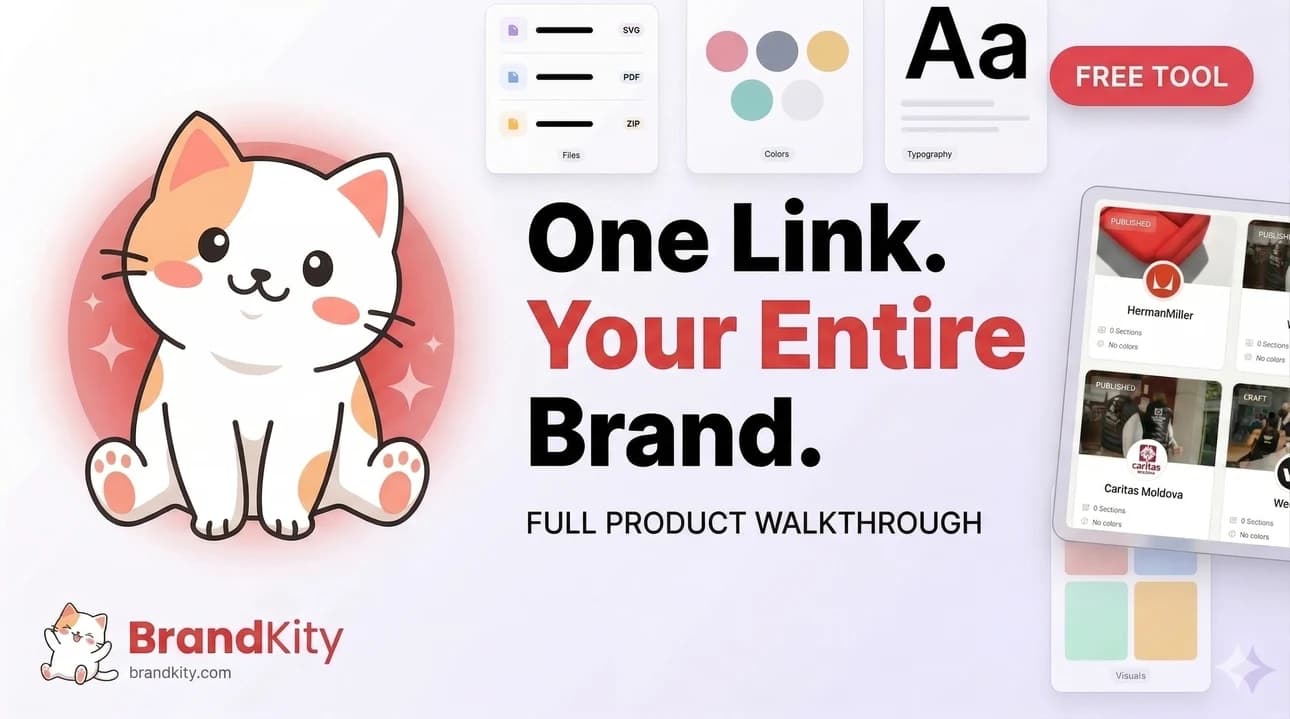
Color Dashboard Tools
Color Dashboard Tools: Bringing Order to Your Brand’s Palette Let’s talk color. Not just any color, but your brand’s color. The shades that instantly signal who you are, the hues that evoke specific emotions, the palette that, when used consistently, builds trust and recognition. It sounds straightforward, right? But in the whirlwind of modern marketing,
Table of contents
- Color Dashboard Tools: Bringing Order to Your Brand’s Palette
- What Exactly is a Color Dashboard Tool?
- Why is Color Consistency So Important (Beyond Just Looking Pretty)?
- 1. Brand Recognition & Memorability
- 2. Professionalism & Trust
- 3. Emotional Connection & Brand Personality
- 4. Seamless User Experience (UX)
- 5. Streamlined Workflows & Reduced Errors
- Key Features of Effective Color Dashboard Tools
- 1. Comprehensive Color Definition & Management
- 2. Brand Guidelines Integration
- 3. Visual Previews and Context
- 4. Accessibility Checker
- 5. Easy Sharing and Access Control
- 6. Version Control and History
- 7. Integration with Other Tools (DAM, Design Software, etc.)
- Real-World Scenarios: Where Color Dashboards Shine
- Mini Case Study 1: The Expanding Startup
- Mini Case Study 2: The Global Corporation
- Mini Case Study 3: The Agency with Many Clients
- Choosing the Right Tool for Your Brand
- Beyond the Dashboard: Cultivating a Color Culture
- The Future of Color Management
- Conclusion: Your Brand’s Color, Elevated
Color Dashboard Tools: Bringing Order to Your Brand’s Palette
Let’s talk color. Not just any color, but your brand’s color. The shades that instantly signal who you are, the hues that evoke specific emotions, the palette that, when used consistently, builds trust and recognition. It sounds straightforward, right? But in the whirlwind of modern marketing, design, and product development, keeping that brand color consistent across every single touchpoint can feel like herding cats. Suddenly, that perfect shade of blue from the logo ends up looking a little too green on a social media graphic, or the accent color in a new campaign clashes subtly with the website’s primary tones. It’s a common pain point, and that’s where color dashboard tools come into play.
Think of it like this: you wouldn’t ask your construction crew to build a house without a blueprint and precise measurements for every beam and window, would you? A brand’s color palette is its architectural blueprint, and a color dashboard tool is the sophisticated digital dashboard that ensures every builder, designer, marketer, and developer is working with the exact same, approved specifications. It’s about precision, consistency, and ultimately, a stronger, more cohesive brand identity.
At Brandkity, we understand the critical role color plays in brand perception. It’s not just about aesthetics; it’s about psychology, memorability, and conveying a specific message. A well-defined and consistently applied color palette can significantly impact how your audience perceives your brand’s personality – whether it’s trustworthy and professional, energetic and playful, or innovative and forward-thinking. Losing control of these colors, even slightly, can dilute that carefully crafted message and create a sense of disarray.
This is why the concept of a “color dashboard tool” is so vital. It’s not just a fancy name; it represents a practical solution to a very real business challenge. Let’s dive into what these tools are, why they’re indispensable, and how they can transform your brand’s visual consistency.
What Exactly is a Color Dashboard Tool?
At its core, a color dashboard tool is a centralized digital hub designed to manage, organize, and distribute your brand’s official color palette. It’s a single source of truth for all things color-related within your organization. But it’s more than just a list of hex codes. A robust tool will typically include:
- Official Color Definitions: This includes primary, secondary, and accent colors, precisely defined with their corresponding values in various color models. Think HEX, RGB, CMYK, Pantone, HSL, etc.
- Usage Guidelines: Beyond just listing colors, the tool should provide guidance on how and where each color should be used. For instance, which colors are for call-to-action buttons, which are for backgrounds, and which are reserved for specific graphic elements.
- Accessibility Information: Crucially, many modern tools will also incorporate accessibility checks, ensuring your color combinations meet contrast ratio requirements for readability, especially important for WCAG compliance.
- Visual Previews: Seeing colors in context is essential. The tool should offer ways to visualize how colors will appear in different applications, from web interfaces to print materials.
- Accessibility & Distribution: The primary goal is to make this information easily accessible to anyone in your organization who needs it – designers, developers, content creators, even external agencies.
Imagine trying to coordinate a large event with hundreds of guests, each having their own invitation with slightly different times or dress codes. Chaos, right? A color dashboard tool acts as the master event planner, ensuring everyone has the single, correct version of the event details – in this case, your brand’s color details. It eliminates guesswork and the dreaded “what shade was that again?” conversations.
Why is Color Consistency So Important (Beyond Just Looking Pretty)?
This is where we move from the “what” to the “why.” The importance of color consistency for a brand cannot be overstated. It’s a cornerstone of building a strong, recognizable, and trustworthy identity. Let’s break down the key reasons:
1. Brand Recognition & Memorability
Think about iconic brands. What’s the first thing that comes to mind when you hear “Coca-Cola”? It’s that vibrant, unmistakable red. For Tiffany & Co., it’s that signature robin’s egg blue. These colors are so deeply ingrained in our minds that they’ve become synonymous with the brand itself. Consistent use of your brand colors reinforces this association, making your brand more memorable and easier to spot in a crowded marketplace. Every time someone sees your color, they should instinctively think of you. This is fundamental to building brand equity, and a color dashboard tool is your guardian of that equity.
2. Professionalism & Trust
Inconsistency breeds doubt. If your brand’s colors shift from one piece of collateral to another, it can project an image of sloppiness or a lack of attention to detail. This can erode trust. Conversely, a consistent visual identity, including a well-managed color palette, signals professionalism and reliability. It tells your audience that you care about the details, and if you care about the details of your brand’s appearance, you likely care about the details of your products or services too. It’s a subtle but powerful psychological cue.
3. Emotional Connection & Brand Personality
Colors have a profound psychological impact. Blue might evoke feelings of trust and stability, red can signal passion or urgency, green suggests nature and growth, and yellow can convey optimism and warmth. Your brand’s chosen colors are deliberate choices designed to elicit specific emotional responses and communicate your brand’s personality. A color dashboard tool ensures that the intended emotion is consistently conveyed, reinforcing the personality you want your brand to embody. For example, an insurance branding strategy might lean heavily on blues and greens to convey security and trustworthiness, while a tech startup might opt for bolder, brighter colors to communicate innovation and energy.
4. Seamless User Experience (UX)
Whether it’s your website, app, or marketing materials, a consistent color scheme contributes to a cohesive and predictable user experience. Users become accustomed to seeing certain colors in specific contexts (e.g., a primary color for buttons, an accent color for highlights). When these colors are applied consistently, it makes navigation intuitive and reduces cognitive load. If colors are all over the place, users can become disoriented, leading to frustration and a negative perception of your brand.
5. Streamlined Workflows & Reduced Errors
This is where the practical benefits really shine. Without a centralized system, designers might pull color codes from different sources, marketers might use outdated swatches, and developers might have a hard time translating print colors to digital. This leads to endless revisions, wasted time, and the expense of reprinting materials or redeveloping digital assets. A color dashboard tool centralizes everything, providing a single, accessible source of truth. This drastically reduces errors, speeds up the creative process, and ensures everyone is working from the same playbook. It’s a huge win for efficiency, especially when you’re dealing with complex projects or multiple teams. This directly impacts how effectively you can manage creative projects.
Key Features of Effective Color Dashboard Tools
So, what should you look for when considering a tool to manage your brand’s colors? It’s not just about having a list. Here are the features that make a real difference:
1. Comprehensive Color Definition & Management
This is the foundation. The tool must allow you to define colors across multiple color spaces:
- HEX: Essential for web design and digital applications.
- RGB: Also for digital screens, often used in design software.
- CMYK: Crucial for print materials like brochures, packaging, and signage.
- Pantone (PMS): The industry standard for consistent print color matching, especially important for brands with strict print requirements.
- HSL/HSV: Useful for color manipulation and understanding color relationships.
The ability to easily convert between these formats is a lifesaver. You should also be able to assign names to your colors (e.g., “Primary Blue,” “Accent Orange”) for clarity.
2. Brand Guidelines Integration
The best color tools don’t exist in a vacuum. They integrate seamlessly with your broader brand guidelines. This means you can link specific color definitions to their intended uses, provide context, and explain the rationale behind their selection. Some tools allow you to upload or link to your full brand style guide, making color management part of a larger, cohesive brand governance strategy. This is a critical step in avoiding disconnected content workflows that harm brand consistency.
3. Visual Previews and Context
Seeing is believing. A good tool won’t just show you a swatch. It will allow you to visualize your colors in various contexts:
- On different backgrounds: How does your primary blue look on white vs. a dark grey?
- In UI elements: How will it render as a button, a link, or a text element?
- In design mockups: Some advanced tools can even apply colors to pre-defined templates or allow for simple mockup generation.
This helps designers and developers understand the practical application and potential issues before implementation.
4. Accessibility Checker
In today’s inclusive digital landscape, color accessibility is non-negotiable. A modern color dashboard should include tools to check contrast ratios between foreground and background colors. This ensures that text is readable for everyone, including individuals with visual impairments, helping you comply with accessibility standards and broadening your audience reach.
5. Easy Sharing and Access Control
Who needs access to these colors? Designers, developers, content creators, marketing teams, sales teams, external agencies, freelancers… the list can be long. The tool must make it incredibly easy to share approved color palettes. Ideally, it offers different permission levels, so you can control who can view, download, or edit color definitions. Think of it like a secure digital vault for your brand’s chromatic DNA.
6. Version Control and History
Brands evolve. Sometimes palettes are updated, expanded, or refined. A good tool will keep a history of changes, allowing you to revert to previous versions if necessary and track who made what changes. This is invaluable for maintaining brand integrity over time.
7. Integration with Other Tools (DAM, Design Software, etc.)
The true power of a color dashboard often lies in its ability to integrate with your existing workflows. Can it connect with your digital asset management (DAM) system? Can designers easily import colors into their design software (like Adobe Creative Suite)? Can developers pull code snippets directly? These integrations streamline processes and ensure consistency is maintained from the design concept all the way through to the final output.
Real-World Scenarios: Where Color Dashboards Shine
Let’s move from theory to practice. Here are a few scenarios where a color dashboard tool proves its worth:
Mini Case Study 1: The Expanding Startup
A fast-growing tech startup has a clear brand identity, established by a small founding team. As they hire new designers, onboard marketing hires, and bring on freelance developers, they realize their brand colors are being interpreted differently. The vibrant orange used for CTAs on the website sometimes appears muted in email campaigns, and the primary navy is too dark for some screen resolutions. This leads to a visually disjointed user experience and endless back-and-forth between teams.
Solution: Implementing a color dashboard tool. They upload their official HEX, RGB, and CMYK values, add notes on usage (e.g., “Primary Navy for all headlines and buttons,” “Vibrant Orange for key Call-to-Actions only”), and share the link with all internal and external teams. Suddenly, everyone has access to the exact, approved color values. Revisions drop dramatically, and the brand starts to feel more polished and unified across all platforms.
Mini Case Study 2: The Global Corporation
A large, multinational corporation operates in multiple regions with diverse printing and digital standards. Their marketing team in Europe uses one set of CMYK values for a new brochure, while the APAC team uses slightly different ones, resulting in noticeable color shifts when materials are shared internationally. Furthermore, their internal communication platforms and corporate intranet don’t always adhere to brand standards.
Solution: A robust color dashboard tool, integrated with their DAM, becomes the central repository. It provides precise Pantone, CMYK, and RGB values, along with guidelines for regional variations if needed. Developers can access web-safe HEX codes, and marketing teams can download precise print-ready files. The tool also aids in standardizing colors for internal platforms, ensuring a consistent brand experience even within the corporate environment. This is crucial for effective international brand management.
Mini Case Study 3: The Agency with Many Clients
A branding agency manages visual identities for dozens of clients. Each client has a unique color palette, often with specific historical requirements or legacy color codes they want to maintain. The agency’s designers, copywriters, and account managers need quick access to these palettes to ensure all client communications and deliverables are on-brand.
Solution: The agency uses a color dashboard tool to create a dedicated space for each client’s brand assets, including their official color palettes. This makes it simple for team members to quickly pull up the correct colors for a specific client’s project, whether it’s for a social media post, a website update, or a print advertisement. This not only ensures client satisfaction but also significantly improves internal efficiency and reduces the risk of costly mistakes.
Choosing the Right Tool for Your Brand
Not all color dashboard tools are created equal. When evaluating options, consider your specific needs:
- Size and Complexity of Your Brand: Do you have a simple, straightforward palette, or a complex system with many shades and variations for different purposes?
- Team Size and Structure: How many people need access to color information? Are they internal or external? Do you need granular permission controls?
- Existing Technology Stack: Does the tool need to integrate with your current DAM, project management software, or design tools?
- Budget: Tools range from free, basic options to comprehensive enterprise solutions.
- Ease of Use: The tool should be intuitive for everyone who needs to use it, not just designers.
For many businesses, a dedicated brand asset management platform (like Brandkity!) offers the most comprehensive solution, as color management is just one piece of the puzzle. These platforms typically include robust color dashboards alongside asset storage, versioning, rights management, and distribution capabilities. This holistic approach ensures that color consistency is maintained as part of a broader strategy for managing all your brand’s digital and online assets examples.
Beyond the Dashboard: Cultivating a Color Culture
While a color dashboard tool is incredibly powerful, it’s not a magic bullet on its own. The real transformation happens when it’s part of a larger effort to cultivate a brand-aware culture within your organization. This involves:
- Training: Educating your teams on the importance of color and how to use the dashboard tool effectively.
- Onboarding: Ensuring new hires understand your brand’s color guidelines from day one.
- Communication: Regularly reinforcing brand standards and celebrating successes in visual consistency.
- Leadership Buy-in: Having management champion the importance of brand consistency across all touchpoints.
Think of the color dashboard as the central nervous system for your brand’s visual identity. The culture you build around it is what allows that system to function optimally, sending the right signals throughout your entire organization and to your audience.
The Future of Color Management
As technology advances, so do color management tools. We’re seeing more sophisticated AI-powered features that can automatically check color contrast, suggest accessible color palettes, and even help generate variations of existing colors based on brand rules. The trend is towards greater automation, deeper integration, and more intelligent tools that proactively help brands maintain consistency and accessibility. Tools that can assist with AI content moderation within a DAM, for instance, are also starting to consider the visual aspects, including color adherence.
Conclusion: Your Brand’s Color, Elevated
In the fast-paced world of business, maintaining a consistent and impactful brand identity is more challenging, yet more crucial, than ever. Your brand’s color palette is a fundamental element of that identity – a silent communicator of emotion, trust, and recognition. Without a systematic approach, it’s easy for those vital colors to drift, leading to diluted messaging and a less professional image.
Color dashboard tools provide the structure, precision, and accessibility needed to keep your brand’s colors perfectly aligned across every platform and touchpoint. They transform color management from a tedious, error-prone task into a streamlined, strategic advantage. By centralizing your official color definitions, providing clear usage guidelines, and ensuring easy access for all stakeholders, these tools empower your teams to build a stronger, more cohesive, and more memorable brand experience.
It’s time to move beyond scattered spreadsheets and guesswork. Embrace the power of a dedicated color dashboard and ensure your brand’s unique palette is consistently and effectively communicating your story to the world. Let Brandkity help you bring order to your brand’s colors, and elevate your entire visual identity.
Saurabh Kumar
Founder, BrandKity
Saurabh writes about practical brand systems, faster client handoffs, and scalable workflows for designers and agencies building repeatable delivery operations.
Connect on LinkedIn