
Can Startups Afford Enterprise-Grade Brand Asset Management?
The landscape for startups in 2026 demands not just innovation, but also meticulous brand stewardship. As new ventures scale rapidly, a common questio…
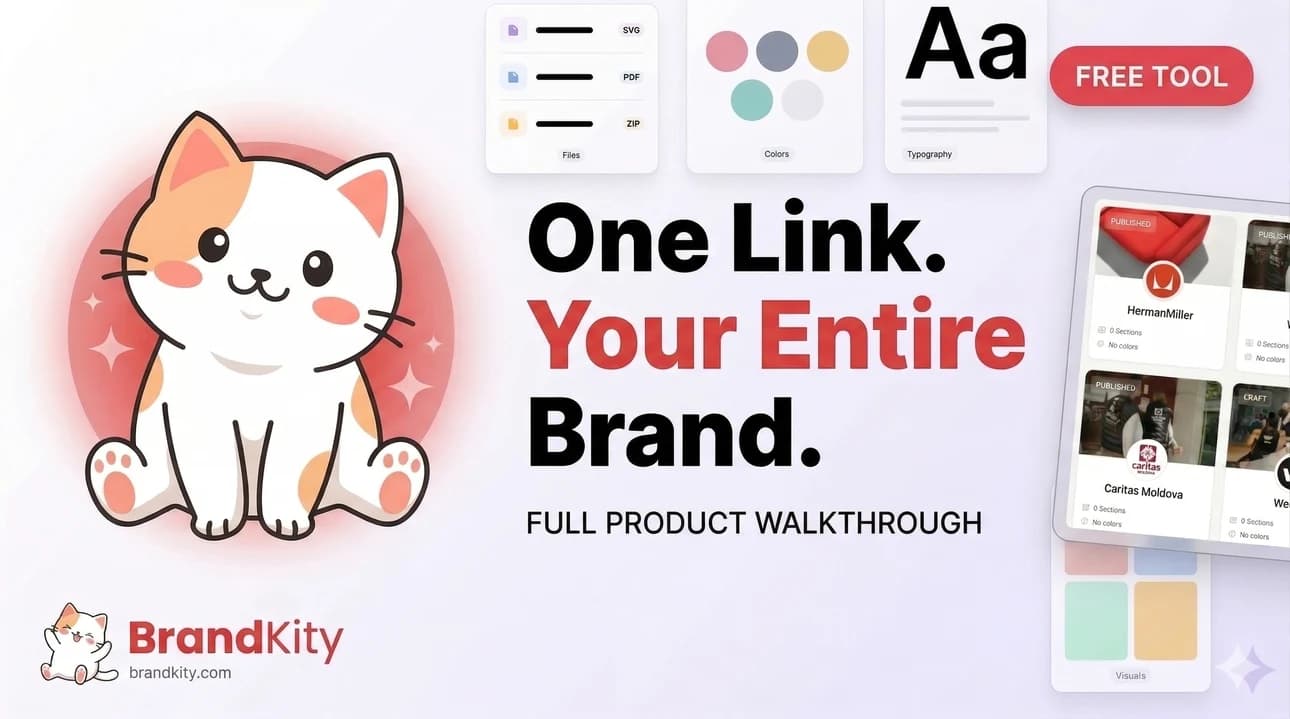
Table of contents
- Beyond the Enterprise: Why Startups Need Robust Brand Asset Management
- The Critical Role of Brand Consistency in Early Stages
- Deconstructing ‘Enterprise-Grade’: What Features Truly Matter for Startups?
- Differentiating Essential Functionality from Unnecessary Complexity
- Core Capabilities: Brand Portals, Centralized Assets, and Controlled Sharing
- The Hidden Costs of DIY Brand Management for Growing Companies
- Time Sinks: Searching, Requesting, and Re-creating Assets
- Brand Dilution: Inconsistent Messaging and Visuals
- Operational Inefficiencies and Client Handoff Nightmares
- Maximizing Value: Focusing on Client Delivery and Internal Organization
- Achieving Enterprise-Level Brand Control on a Startup Budget
- Key Considerations for Choosing a Startup-Friendly Brand Asset Management Platform
- Usability and Onboarding Speed: Getting Your Team Up and Running
- Practical Examples: How Startups Are Leveraging Modern Brand Portals
- Empowering Marketing and Sales Teams with Instant Access
- Streamlining Agency Collaboration and Client Asset Delivery
- Ensuring Brand Consistency Across All Touchpoints
- The Power of a Shareable BrandKit Link for External Stakeholders
- The Tangible Value of Brand Consistency and Professionalism
- From Scattered Files to a Single Source of Truth: The BrandKity Approach
- Calculating the ROI of Brand Asset Management for Early-Stage Companies
- A Decision Framework: Is Enterprise-Grade BAM Truly Out of Reach for Your Startup?
- Self-Assessment: When to Invest and What to Look For
- Recommendations for Finding the Right Balance of Features and Affordability
- Frequently Asked Questions About Startup Brand Asset Management
The landscape for startups in 2026 demands not just innovation, but also meticulous brand stewardship. As new ventures scale rapidly, a common question arises: can we truly afford the sophisticated brand asset management (BAM) solutions traditionally associated with large enterprises?
The misconception that “enterprise-grade” tools are exclusively for established corporations can lead startups down a path of scattered assets and inconsistent branding, ultimately costing more than an investment in proper infrastructure. This article explores why robust brand asset management is no longer a luxury but a necessity for burgeoning companies.
Beyond the Enterprise: Why Startups Need Robust Brand Asset Management
The Critical Role of Brand Consistency in Early Stages
For a startup, establishing a strong, recognizable brand identity is paramount to gaining traction and building trust in a crowded market. Brand consistency across all touchpoints – from investor decks and website imagery to social media posts and product packaging – directly impacts perception. Inconsistent visual elements or messaging can confuse potential customers, dilute your brand’s unique value proposition, and ultimately undermine credibility, making it harder to stand out.
Investing in a structured approach to brand assets early on means every piece of communication reinforces your core identity, helping to cultivate a single source of truth, centralizing all approved brand elements and ensuring easy, secure access. This eliminates the guesswork and frustration, empowering teams to work more efficiently and maintain a professional brand image effortlessly.
Deconstructing ‘Enterprise-Grade’: What Features Truly Matter for Startups?
Differentiating Essential Functionality from Unnecessary Complexity
The term “enterprise-grade” often conjures images of complex, feature-rich, and expensive software solutions. For startups, however, much of this complexity can be overkill and counterproductive. Instead of exhaustive features like advanced AI-driven tagging, intricate workflow automations, or deep integrations with obscure legacy systems, startups need to identify core functionalities that directly solve their immediate pain points without introducing prohibitive costs or steep learning curves.
The focus should be on agility, ease of use, and quick implementation. It’s about finding a solution that grows with the company, offering scalability without burdening early-stage teams with features they won’t utilize. Prioritizing platforms that provide robust fundamental capabilities while remaining intuitive is key to smart investment in brand infrastructure.
Core Capabilities: Brand Portals, Centralized Assets, and Controlled Sharing
When evaluating brand asset management solutions, startups should hone in on a few critical capabilities. Firstly, a system for centralized storage is non-negotiable, ensuring all logos, images, videos, typography files, and brand guidelines reside in one easily accessible location. This prevents duplication and ensures version control, guaranteeing that only the latest, approved assets are in circulation.
Secondly, brand portals are invaluable. These dedicated, shareable hubs act as a direct conduit for external partners, agencies, and clients to access brand assets and guidelines securely. This capability is essential for streamlined client delivery and maintaining consistency, even when working with third parties. Finally, controlled sharing with robust permissions ensures that the right people have access to the right assets, preventing misuse or unauthorized distribution while maintaining the integrity of the brand.
The Hidden Costs of DIY Brand Management for Growing Companies
Time Sinks: Searching, Requesting, and Re-creating Assets
Without a centralized system, team members spend an inordinate amount of time simply searching for the correct brand assets. Designers might sift through old folders, marketers might email colleagues for logos, and sales teams might accidentally use outdated presentations. This constant asset hunting is a significant time sink, diverting valuable employee hours away from core tasks that drive growth. Furthermore, when assets are lost or inaccessible, they often have to be recreated from scratch, leading to unnecessary expenses and delayed project timelines that erode a startup’s efficiency.
Brand Dilution: Inconsistent Messaging and Visuals
The most insidious hidden cost of poor brand asset management is brand dilution. When assets are scattered across various drives, email chains, and personal computers, the likelihood of inconsistent application skyrockets. An outdated logo used on one social media channel, an incorrect color palette in a presentation, or off-brand fonts in marketing materials all contribute to a fragmented brand identity. This lack of visual and tonal coherence undermines the brand’s professional image, makes it harder for customers to recognize and trust the company, and ultimately weakens market positioning during crucial growth phases.
Operational Inefficiencies and Client Handoff Nightmares
As a startup grows, its operational complexity increases. Onboarding new employees, collaborating with external agencies, or delivering final brand packages to clients can become a logistical nightmare without a dedicated system. The manual process of gathering, reviewing, and sharing assets is not only time-consuming but also prone to errors, leading to frustration and potential delays. Effective professional brand consistency and control previously thought to be exclusive to enterprise budgets, making robust brand management accessible and affordable.
Maximizing Value: Focusing on Client Delivery and Internal Organization
For startups, maximizing the value of a brand asset management investment means prioritizing tools that directly impact client delivery and internal organization. A platform that allows for quick and professional sharing of assets with clients, such as through a unique BrandKit link, significantly enhances perceived professionalism and reduces friction in client communication. This focus helps solidify relationships and accelerate project approvals.
Internally, the ability to easily unify scattered brand assets into an organized, accessible system ensures that all team members, from marketing to sales, are always using the correct, up-to-date materials. This efficiency frees up valuable time and resources, allowing startups to concentrate on innovation and growth rather than wrestling with disorganized files and brand inconsistencies. By choosing tools that excel in these areas, startups can achieve enterprise-level brand control without the associated costs.
Achieving Enterprise-Level Brand Control on a Startup Budget
The notion that robust brand asset management is exclusively for large corporations with deep pockets is rapidly becoming outdated. Modern solutions are specifically designed to cater to the agility and budget constraints of startups, offering powerful features without the prohibitive price tag. The key lies in selecting platforms that provide essential functionalities like centralized storage, version control, and seamless sharing capabilities, all within a scalable and intuitive interface.
By investing in a cost-effective brand asset management system, startups can establish professional brand consistency from day one. This proactive approach prevents the costly errors and inefficiencies associated with scattered assets and ensures that every brand touchpoint reinforces a unified message. Such tools empower small teams to maintain high standards of professionalism, impress clients, and build a strong, recognizable brand identity that positions them for sustained growth and market leadership, competing effectively with larger, more established players.
Key Considerations for Choosing a Startup-Friendly Brand Asset Management Platform
Usability and Onboarding Speed: Getting Your Team Up and Running
For startups, time is a critical commodity, making the usability and onboarding speed of a brand asset management (BAM) platform paramount. A complex system, no matter how feature-rich, can quickly become a bottleneck if it requires extensive training or a steep learning curve. The ideal solution will offer an intuitive user interface, clear navigation, and drag-and-drop functionality that allows team members to upload, organize, and retrieve assets with minimal instruction. Pitfalls often include platforms designed for large enterprises with overcomplicated workflows, leading to low adoption rates and continued reliance on inefficient manual processes. Prioritize systems that offer accessible tutorials, contextual help, and a streamlined setup process, ensuring your team can achieve
Practical Examples: How Startups Are Leveraging Modern Brand Portals
Empowering Marketing and Sales Teams with Instant Access
Modern brand portals are transforming how marketing and sales teams operate, granting them instant, self-service access to approved brand assets. This eliminates the bottleneck of requesting files from design or marketing operations, significantly accelerating content creation and deployment. For example, a hypothetical SaaS startup, “InnovateHub,” utilized a brand portal to centralize all product screenshots, logos, and marketing collateral. Their sales team could instantly download the latest presentation decks or case studies, ensuring consistency in client pitches. This shift reduced asset request tickets by 70% within the first quarter, allowing designers to focus on creative work rather than fulfilling file requests. Key decision criteria here include robust search functionality, comprehensive tagging, and intuitive categorization that makes finding the right asset effortless for all users.
Streamlining Agency Collaboration and Client Asset Delivery
Startups frequently engage with external agencies for design, marketing, or PR, making efficient asset sharing crucial. Brand portals act as a secure, centralized hub for streamlining agency collaboration and
Ensuring Brand Consistency Across All Touchpoints
Maintaining a coherent brand image across all customer touchpoints is vital for startups looking to build recognition and trust. Brand portals are instrumental in ensuring brand consistency by acting as the single source of truth for all brand elements. They house not just assets but also brand guidelines, typography specifications, color palettes, and usage rules. Consider “GreenGrowth,” an eco-friendly startup, which implemented a brand portal to provide clear instructions and approved assets for its social media team, e-commerce platform, and packaging designers. This proactive approach prevented off-brand usage and ensured that every visual communication reinforced their core values. The result was a stronger, more recognizable brand identity from inception, contributing significantly to customer confidence and market differentiation. This is fundamental for any startup aiming to single source of truth for every brand asset. It ensures that only the latest, approved versions are available, complete with clear version history and intelligent asset lifecycle management. This approach eliminates the guesswork, the constant “which file is the latest?” questions, and the wasted effort associated with using obsolete collateral, allowing teams to operate with confidence and efficiency.
The Power of a Shareable BrandKit Link for External Stakeholders
A distinctive feature of modern brand asset management platforms, exemplified by BrandKity, is the provision of a single shareable BrandKit link. This powerful capability transforms how startups interact with external stakeholders, including investors, media, freelancers, and partner organizations. Instead of compiling endless folders or creating cumbersome zip files for every request, a startup can simply share one secure, branded link. This link provides controlled access to a curated selection of approved brand elements—logos, guidelines, imagery, and documents—ensuring that external parties always have immediate access to the correct and most current assets. This dramatically simplifies how agencies streamline brand guidelines and assets.
The Tangible Value of Brand Consistency and Professionalism
Beyond direct time savings, brand asset management delivers tangible value through enhanced brand consistency and professionalism, which are crucial for early-stage companies building market presence. Inconsistent branding, such as using outdated logos or off-brand colors, can erode customer trust and confuse market perception, leading to a fragmented brand identity. A BAM system mitigates these risks by ensuring all brand communications adhere strictly to guidelines. The value here can be harder to quantify directly but manifests in several ways: reduced rework costs due to errors, stronger brand recall, and increased customer confidence. Imagine the cost of reprinting marketing materials or re-shooting advertisements because an old logo was used. Moreover, a professional and consistent brand image can influence investor perception, attract top talent, and differentiate a startup in a crowded market. This investment cultivates a reliable brand reputation from the outset, proving instrumental in long-term growth and customer loyalty, contributing significantly to overall business success.
From Scattered Files to a Single Source of Truth: The BrandKity Approach
The journey from startup inception often begins with a proliferation of files scattered across various cloud storage platforms, local drives, and email attachments. This fragmented landscape inevitably leads to confusion, inefficiency, and — critically — brand inconsistency. The core problem lies in the absence of a centralized, authoritative source for brand assets. Teams waste precious hours searching for the correct logo, debating which version of a marketing graphic is approved, or, worse, deploying outdated materials into the market.
This is precisely where platforms like BrandKity deliver immense value by establishing a single source of truth for all brand-related content. BrandKity centralizes every digital asset — from logos and color palettes to typography, imagery, and complete brand guidelines — into one easily accessible and secure repository. It’s not just about storage; it’s about intelligent asset management:
- Version Control: Every asset has a clear history, ensuring that only the latest, approved version is readily available, eliminating guesswork and preventing the use of obsolete files.
- Granular Permissions: Control who can access, edit, or download specific assets, maintaining brand integrity and preventing unauthorized usage.
- Metadata and Tagging: Assets are meticulously tagged with keywords, descriptions, and usage rights, making them instantly searchable and discoverable for anyone who needs them.
- Automated Workflows: Streamline the approval process for new assets and ensure adherence to brand standards before deployment.
- Easy Sharing: Generate secure links for specific assets or entire BrandKits, making collaboration with internal teams and external partners seamless and controlled.
By transforming disparate files into an organized, unified system, BrandKity empowers startups to operate with unprecedented clarity and efficiency. It safeguards brand identity, frees up valuable team time, and ensures that every communication, every piece of collateral, and every external interaction consistently reflects the professional and cohesive brand image that early-stage companies strive to build.
Calculating the ROI of Brand Asset Management for Early-Stage Companies
For early-stage companies, every investment must demonstrate a clear return. While the direct financial impact of brand asset management (BAM) might seem less straightforward than, say, a sales tool, its ROI is both tangible and crucial for sustainable growth. Calculating this ROI involves considering both quantifiable cost savings and significant qualitative benefits that contribute to long-term success.
Quantifiable Benefits:
- Time Savings: Consider the hours spent by designers, marketers, and even founders searching for files, correcting misused logos, or answering “which version is it?” questions. If each team member saves even a few hours a week, multiplying that by their hourly wage quickly reveals significant savings. For example, if 3 employees save 2 hours/week at $50/hour, that’s $300/week or over $15,000 annually.
- Reduced Rework Costs: Using an outdated logo on marketing materials or an incorrect color scheme on a website redesign can lead to costly reprints, reshoots, or development time. A BAM system drastically reduces these errors. Imagine avoiding even one expensive reprint campaign a year — that’s direct savings.
- Faster Time to Market: With instant access to approved assets, campaigns, product launches, and content creation can proceed more quickly, enabling the company to capitalize on market opportunities faster than competitors.
- Optimized Software Spending: A robust BAM platform can often consolidate functionalities that might otherwise require multiple, less integrated tools, potentially streamlining software subscriptions.
Qualitative Benefits (Leading to Financial Impact):
- Enhanced Brand Consistency and Trust: A consistent brand image across all touchpoints builds credibility, fosters customer trust, and strengthens brand recognition. This leads to higher conversion rates and customer loyalty over time.
- Improved Investor Perception: Professionalism and consistency signal maturity and careful management to potential investors, making the startup more attractive for funding rounds.
- Attraction of Top Talent: A strong, consistent brand presence makes a company more appealing to prospective employees, helping to recruit and retain high-quality talent in a competitive market.
- Stronger Market Differentiation: In a crowded startup landscape, a polished and consistent brand helps a company stand out and convey its unique value proposition more effectively.
- Better Collaboration and Efficiency: Streamlined access to assets improves internal and external collaboration, leading to more efficient project execution and better team morale.
While some benefits are harder to put a precise dollar figure on, their cumulative impact on revenue generation, customer retention, and brand equity is undeniable. By investing in a solution like BrandKity, early-stage companies are not just buying software; they are investing in operational efficiency, brand integrity, and a professional foundation that accelerates growth and mitigates future costs, yielding a compelling ROI that supports their long-term vision.
A Decision Framework: Is Enterprise-Grade BAM Truly Out of Reach for Your Startup?
Self-Assessment: When to Invest and What to Look For
Determining whether enterprise-grade Brand Asset Management (BAM) is suitable for a startup requires a candid self-assessment of current needs and projected growth. Initially, many startups manage assets through shared drives or basic cloud storage, which can quickly become chaotic as teams expand and brand assets proliferate. Key triggers for considering a dedicated BAM solution include a growing volume of design files, marketing collateral, and video content, coupled with increasing instances of off-brand usage or difficulty in locating the latest versions. If your creative teams are spending significant time searching for assets instead of creating, or if client delivery of brand elements is a constant struggle, it’s a clear signal.
When assessing solutions, look beyond just storage. A robust BAM system, even one tailored for startups, should offer features like version control, comprehensive access permissions, and a centralized portal to streamline the brand guidelines alongside assets ensures consistent application. A common pitfall is overinvesting in features that won’t be utilized by a smaller team, or conversely, underestimating future needs and opting for a solution that quickly becomes inadequate, forcing another costly migration. Focus on scalability and ease of integration with your existing creative tools from companies like Adobe.
Recommendations for Finding the Right Balance of Features and Affordability
For startups, achieving the right balance between powerful features and affordability is paramount. Instead of pursuing traditional, often monolithic Digital Asset Management (DAM) systems typically marketed to large corporations, explore modern BAM platforms designed with agility and simplicity in mind. Many emerging solutions offer a modular approach, allowing startups to scale features as their brand matures and budget permits. Prioritize core functionalities such as intelligent asset organization, simple sharing capabilities via a single BrandKit link, and intuitive user interfaces that don’t require extensive training.
Consider platforms that emphasize
A: Traditional Digital Asset Management (DAM) platforms are often comprehensive, offering deep functionalities like robust media transcoding, advanced metadata tagging, and complex rights management, typically designed for large enterprises with vast, diverse media libraries. Modern Brand Asset Management (BAM), however, focuses specifically on the needs of brand-driven organizations, particularly startups and agencies. It prioritizes brand consistency, easy asset organization, and streamlined client delivery through modern brand portals and shareable links, often with a more intuitive interface and a lower barrier to entry. This distinction is crucial for startups needing agility and ease of use over enterprise-level complexity. You can learn more about tiered pricing structures and ensure they align with your anticipated growth, avoiding solutions with hidden fees or prohibitive long-term costs. Prioritizing value over the lowest upfront cost can prevent future headaches.
Q: Can free tools or generic cloud storage suffice for startup brand asset management initially?
A: While free tools like Google Drive or Dropbox might seem adequate for initial brand asset storage, they often fall short in critical areas for brand management. They lack essential BAM features such as comprehensive version control, centralized
asset libraries, comprehensive metadata tagging, and integrated brand guidelines. They struggle with efficient distribution of brand assets to external partners, lack robust version control, and often don’t provide a secure, centralized hub for managing approvals and feedback loops. For a growing startup, these limitations lead to brand inconsistency, wasted time searching for correct files, and a higher risk of using outdated or off-brand materials. Investing in a specialized BAM solution, even an affordable one, quickly pays for itself by streamlining workflows and safeguarding brand integrity.
Frequently Asked Questions About Startup Brand Asset Management
Q: What key features should a startup prioritize when selecting a BAM platform?
A: Startups should prioritize a BAM platform that offers core functionalities essential for efficient brand management without unnecessary complexity. Key features include intuitive asset organization and search capabilities, robust version control to manage asset updates, secure and easy sharing options via custom brand portals or links, and basic analytics to track asset usage. Scalability is also crucial, allowing the platform to grow with your brand’s needs. Look for platforms that integrate well with existing creative tools and offer clear, transparent pricing models that fit a startup budget. Prioritizing these features ensures you get immediate value while avoiding overspending on advanced functionalities you might not need yet.
Q: How important are integrations with other design and marketing tools for a startup’s BAM platform?
A: Integrations are highly important. A good BAM platform should not operate in a silo. For a startup, seamless integration with tools like Adobe Creative Suite (for designers), project management software (e.g., Asana, Trello), social media schedulers, and marketing automation platforms can significantly boost efficiency. These integrations allow for direct access to approved assets from within your everyday tools, reducing manual downloads and uploads, minimizing errors, and ensuring brand consistency across all channels. While not every integration may be critical from day one, prioritize a platform that offers key connectors relevant to your current tech stack and the flexibility to add more as your startup scales. This interconnectedness streamlines workflows, saves valuable time, and ensures your team always uses the most current and approved brand assets, leading to faster content creation and deployment.
Saurabh Kumar
Founder, BrandKity
Saurabh writes about practical brand systems, faster client handoffs, and scalable workflows for designers and agencies building repeatable delivery operations.
Connect on LinkedIn