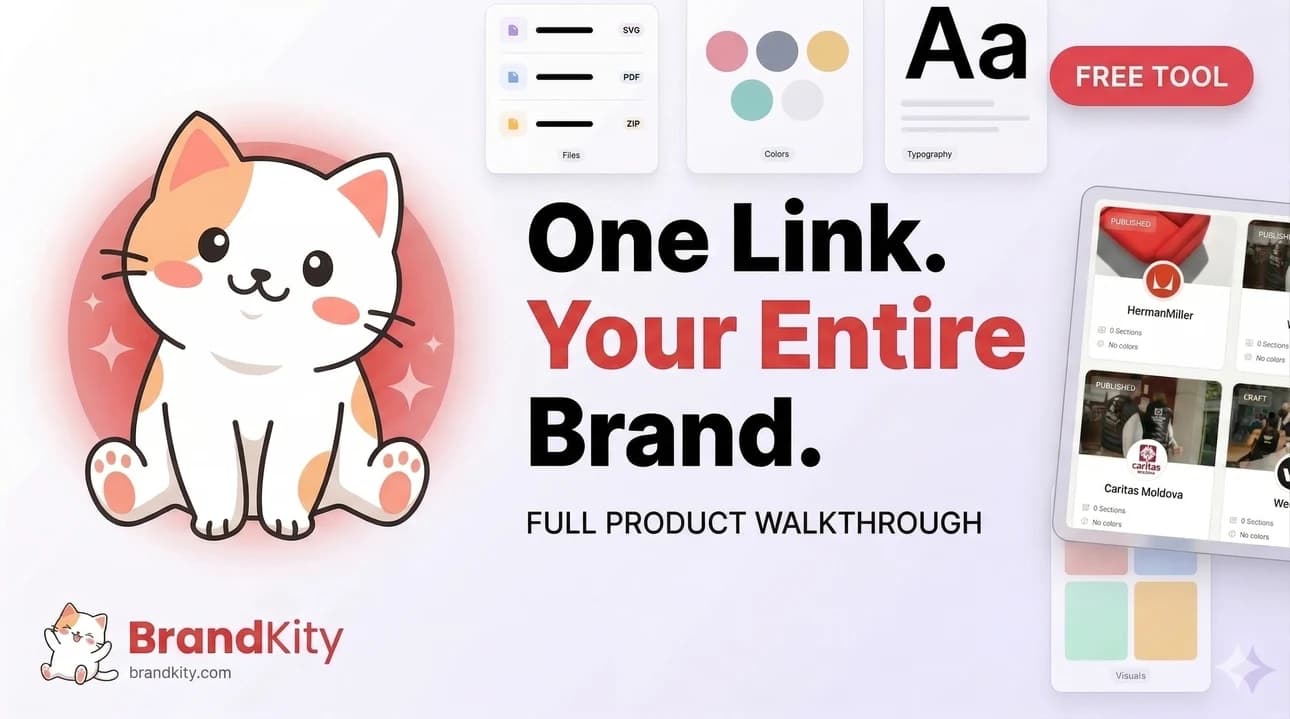
Brand Book Vs Digital Brand Guidelines
Brand Book Vs Digital Brand Guidelines: Navigating the Evolution of Brand Governance Hey there, fellow brand enthusiasts! If you’ve ever found yourself wrestling with how to keep your brand’s identity consistent across all your marketing efforts, you’re in the right place. It’s a challenge many businesses face, from burgeoning startups to established enterprises. We’ve all
Table of contents
- Brand Book Vs Digital Brand Guidelines: Navigating the Evolution of Brand Governance
- The Classic Brand Book: A Foundation of Consistency
- The Challenges of the Traditional Brand Book
- Enter Digital Brand Guidelines: The Modern Evolution
- Key Features of Modern Digital Brand Guidelines
- 1. Centralized Asset Library
- 2. Interactive Rule Sets and Best Practices
- 3. Templating System
- 4. Version Control and Audit Trails
- 5. Permissions and Access Control
- 6. Workflow Integrations
- 7. Analytics and Reporting
- Brand Book vs. Digital Brand Guidelines: The Verdict
- The Role of Brandkity in Bridging the Gap
- The Future is Integrated and Intelligent
Brand Book Vs Digital Brand Guidelines: Navigating the Evolution of Brand Governance
Hey there, fellow brand enthusiasts! If you’ve ever found yourself wrestling with how to keep your brand’s identity consistent across all your marketing efforts, you’re in the right place. It’s a challenge many businesses face, from burgeoning startups to established enterprises. We’ve all seen those moments where a logo looks slightly off, a color is a shade too bright, or a tagline just doesn’t quite capture the essence of the brand. It’s the little things, right? But those little things can add up, creating a fractured and unprofessional brand image.
For years, the go-to solution for brand consistency was the trusty brand book. Think of it as the ultimate rulebook for your brand’s visual and verbal identity. And for a long time, it served us incredibly well. But as the digital landscape has exploded, and our workflows have become more dynamic and collaborative, the traditional brand book has started to show its age. Enter the concept of digital brand guidelines, a more modern, flexible, and integrated approach.
So, what’s the big difference between a brand book and digital brand guidelines? Are they two separate entities, or is one an evolution of the other? Let’s dive deep and explore how both have shaped brand management and how they’re paving the way for the future of brand governance. We’ll also touch upon how tools like Brandkity are helping bridge the gap and empower brands in this ever-evolving space.
The Classic Brand Book: A Foundation of Consistency
Let’s start with the OG. The brand book, often presented as a beautifully designed PDF or even a physical binder, has been the cornerstone of brand identity for decades. Its primary purpose is to codify all the essential elements of a brand’s identity, ensuring that everyone who interacts with the brand – designers, marketers, developers, even external agencies – has a clear and unified understanding of how to represent it.
Think of it like a meticulously crafted recipe book for your brand. It details every ingredient and every step needed to create that perfect brand experience. What typically goes into a comprehensive brand book?
- The Brand Story and Mission: Why does the brand exist? What are its core values? This sets the emotional and philosophical foundation.
- Logo Usage: This is usually the star of the show. It covers primary logos, secondary logos, logo variations, minimum size requirements, clear space around the logo, and importantly, what NOT to do with the logo (like stretching it or changing its colors).
- Color Palettes: Not just the primary brand colors, but secondary and accent colors too. It will specify CMYK, RGB, HEX, and Pantone values for accurate reproduction across print and digital mediums.
- Typography: Which fonts are used for headlines, body copy, captions, and other text elements. It will specify font families, weights, sizes, and line spacing.
- Imagery and Photography Style: What kind of photos or illustrations best represent the brand? Are they bright and airy, dark and moody, lifestyle-focused, or product-centric?
- Tone of Voice: How should the brand speak? Is it formal or informal, humorous or serious, authoritative or friendly?
- Iconography and Graphics: Any specific icon styles or graphic elements that are part of the brand’s visual language.
- Application Examples: Showing how these elements come together on various marketing collateral like business cards, websites, social media posts, and advertisements.
The brand book is invaluable for establishing a strong foundation. It’s a definitive document that everyone can refer back to. For instance, imagine a large corporation like Coca-Cola. Their iconic red and white logo, their specific typeface, and their cheerful, optimistic tone of voice are instantly recognizable. This level of consistency wouldn’t be possible without a robust set of guidelines, historically captured in their brand book, that ensures every single advertisement, product placement, and digital touchpoint adheres to their established standards.
The beauty of a well-crafted brand book is its thoroughness. It aims to be the single source of truth. However, the traditional format, often a static PDF, comes with its own set of limitations in today’s fast-paced digital world.
The Challenges of the Traditional Brand Book
While incredibly important, the traditional brand book can sometimes feel like a dusty relic in a digital age. Let’s be honest, how many people actually read a 100-page PDF from cover to cover? Or, if they do, how easy is it to find the specific piece of information they need when they’re in the middle of a design or content creation sprint?
Here are some common pain points:
- Static and Outdated: Once created, a brand book is a snapshot in time. Brands evolve, and updating a comprehensive PDF can be a laborious process. By the time it’s updated and redistributed, it might already be slightly out of sync with the latest brand tweaks.
- Difficult to Navigate: Finding specific assets or guidelines within a long document can be like searching for a needle in a haystack, especially when you just need a quick reference for a logo color or a font name.
- Accessibility Issues: PDFs aren’t always the most accessible format for everyone, and they can be cumbersome to access on mobile devices or for individuals using screen readers.
- Lack of Direct Asset Access: A brand book tells you how to use assets, but it doesn’t usually provide the assets themselves. You still need to hunt down the correct logo files or font libraries, which can lead to using the wrong versions.
- Limited Collaboration: It’s a one-way communication tool. There’s no easy way for users to ask questions, provide feedback, or collaborate directly within the guidelines themselves.
- Version Control Nightmares: How do you ensure everyone is using the latest version of the brand book and not an outdated one saved on their desktop? This is a common headache, especially in larger organizations with many distributed teams.
Consider the scenario of a freelance graphic designer working with a client. They receive a brand book PDF. They need the primary logo in EPS format. They search the PDF, find the section on logo usage, and then have to go to a separate shared drive or ask the client directly for the actual logo file. This back-and-forth, plus the risk of using an older version of the logo, can slow down projects and introduce inconsistencies.
This is where the need for something more dynamic and interactive became apparent.
Enter Digital Brand Guidelines: The Modern Evolution
Digital brand guidelines are essentially the modern, digitized, and supercharged version of the brand book. They take all the essential information and assets from a traditional brand book and present them in an accessible, interactive, and often cloud-based platform. Instead of a static document, think of it as a living, breathing hub for your brand.
The core purpose remains the same: to ensure brand consistency. But the how is dramatically different. Digital brand guidelines are designed to be:
- Accessible Anytime, Anywhere: Accessible via a web browser on any device, making it easy for teams to reference guidelines and assets on the go.
- Interactive and User-Friendly: Designed with clear navigation, searchable content, and often visual examples that make finding information quick and intuitive.
- Dynamic and Easily Updatable: Changes can be made in real-time, ensuring everyone is always working with the most current information. No more hunting for the latest PDF.
- Asset-Rich: They don’t just describe assets; they host them. Users can often download approved logo files, fonts, templates, and other brand assets directly from the platform, in the formats they need.
- Collaborative: Many platforms allow for commenting, feedback, and even integration with other workflow tools, fostering better communication and collaboration.
- Searchable: Users can quickly search for specific terms, assets, or sections, saving valuable time.
- Integrated: They can often be integrated into broader digital ecosystems, connecting brand governance with content creation and management workflows.
Think about a global organization with teams spread across different continents. With digital brand guidelines, a marketer in London, a designer in New York, and a content creator in Singapore can all access the same, up-to-the-minute brand rules and approved assets. This drastically reduces the chances of miscommunication and ensures a unified brand voice and visual identity worldwide.
For example, if a company like a popular athletic wear brand wants to roll out a new campaign, their marketing team can access the digital brand guidelines to confirm the correct usage of the logo for social media banners, download approved photography, and ensure the campaign copy aligns with their established tone of voice. They can even find pre-approved templates for social posts, streamlining the entire process. This immediate access to both rules and resources is a game-changer.
Key Features of Modern Digital Brand Guidelines
So, what makes a digital brand guideline system truly effective? It’s more than just putting a PDF online. It’s about creating a robust, user-centric platform for brand management.
1. Centralized Asset Library
This is arguably the most significant advantage. Instead of scattered folders on network drives or individual hard drives, all approved brand assets – logos, images, videos, fonts, templates, presentations, etc. – are stored in one secure, easily searchable location. Users can filter by asset type, campaign, or keyword to find exactly what they need. This also provides a clear audit trail and ensures brand control. For example, if a company needs to update its logo, they can upload the new version to the asset library and instantly deprecate the old one, preventing its future use. This is crucial for maintaining brand integrity and can be especially important in regulated industries. For brands in specialized sectors, like the cannabis industry, having a controlled asset library is paramount for compliance and consistent messaging, as discussed in our pieces on cannabis brand asset management and digital asset management tools for cannabis brands.
2. Interactive Rule Sets and Best Practices
This goes beyond static text. Digital guidelines can incorporate interactive elements, quizzes, and dynamic examples. For instance, a section on logo usage might include an interactive tool where users can see common mistakes highlighted in real-time. Color palettes can be displayed with clickable swatches that provide HEX/RGB values. Typography sections can show font pairings and usage examples that adjust based on user input. This makes the learning process more engaging and effective.
3. Templating System
Providing pre-designed, on-brand templates for common marketing materials (presentations, social media posts, email newsletters, business cards, etc.) is a massive time-saver. Users can simply select a template, input their content, and ensure it’s instantly on-brand without needing extensive design skills. This is particularly beneficial for franchises looking for franchise brand consistency across many locations.
4. Version Control and Audit Trails
Knowing which version of an asset or guideline is current is critical. Digital platforms provide robust version control, allowing you to track changes, revert to previous versions if necessary, and see who made what modifications and when. This creates accountability and ensures that everyone is working from the approved source of truth.
5. Permissions and Access Control
Not everyone needs access to all brand assets or guidelines. Digital systems allow for granular control over who can view, download, edit, or approve content. This is essential for managing sensitive brand information and ensuring that only authorized individuals can access and distribute certain assets.
6. Workflow Integrations
The most advanced digital guideline systems integrate seamlessly with other tools in your tech stack. This could include project management software, content management systems, or design tools. For example, a designer could pull an approved logo directly into their design software without leaving their workflow. This fosters a more connected and efficient enterprise digital ecosystem.
7. Analytics and Reporting
Some platforms offer insights into how brand guidelines and assets are being used. You can see which assets are downloaded most frequently, which guidelines are accessed most often, and identify potential areas where users might be struggling. This data can inform future brand strategy and training.
Brand Book vs. Digital Brand Guidelines: The Verdict
So, is it a case of one replacing the other? Not exactly. It’s more accurate to say that digital brand guidelines are the natural evolution and enhancement of the brand book concept. Think of it this way:
- Brand Book: The foundational blueprint. It defines the rules, principles, and identity elements. It’s the what and why.
- Digital Brand Guidelines: The interactive, accessible, and dynamic implementation of that blueprint. It’s the how and where, making the rules actionable and assets readily available.
Many organizations start with a comprehensive brand book. As their needs grow, and their digital presence becomes more complex, they transition to a digital brand guideline system. The content developed for the brand book often forms the basis for the digital guidelines, but it’s presented in a far more functional and interactive format.
Analogy Time: Imagine building a house. The brand book is like the architect’s original, detailed architectural drawings and specifications. It’s crucial for the initial design and understanding the core structure. The digital brand guidelines are like a smart home system built into that house. It not only shows you where the light switches are (like the brand book shows you where the logo goes) but also allows you to control the lights, adjust the thermostat, and even get alerts if a door is left open – all through an intuitive interface. You still have the original plans, but the daily living experience is enhanced by smart technology.
For a company like Apple, known for its meticulous attention to detail in design and user experience, their brand guidelines are likely not just a PDF. They are a sophisticated system that ensures every product, advertisement, and customer interaction reflects their minimalist aesthetic, intuitive design philosophy, and premium brand positioning. While the core principles might have originated from foundational documents akin to brand books, their current implementation is undoubtedly digital, dynamic, and deeply integrated into their operations.
The choice between a traditional brand book and digital brand guidelines often depends on the size and complexity of the organization, the number of internal and external stakeholders who need access to brand materials, and the budget. However, as businesses increasingly operate in a digital-first world, the benefits of a digital approach are becoming undeniable.
The Role of Brandkity in Bridging the Gap
At Brandkity, we understand the evolution from static documents to dynamic platforms. Our mission is to empower brands by providing a comprehensive brand asset management solution that simplifies brand governance. We believe that managing your brand should be intuitive, efficient, and accessible for everyone on your team.
Think of Brandkity as a sophisticated digital brand guideline system that goes beyond just rules. It’s a central hub where your brand’s identity comes alive. You can upload and organize all your brand assets, ensuring they are always the correct, approved versions. You can then define clear usage guidelines, setting the rules for how these assets should be used. Our platform makes it easy for your teams to find what they need, understand how to use it correctly, and download it in the right format, all from one place.
We help you move away from the limitations of static brand books and embrace a more collaborative and controlled approach to brand management. Whether you’re looking to ensure brand content compliance, streamline asset distribution, or simply ensure everyone is singing from the same brand hymn sheet, Brandkity is designed to be your ultimate ally.
The Future is Integrated and Intelligent
The conversation around brand books versus digital brand guidelines is really about how brands are adapting to the speed and complexity of the modern world. The trend is unequivocally moving towards integrated, intelligent, and accessible brand management solutions.
Looking ahead, we can expect even more sophisticated digital brand guideline platforms. Think AI-powered tools that can automatically check content for brand compliance, predictive analytics that help anticipate brand risks, and seamless integrations that make brand consistency an inherent part of every workflow. Tools that can help convert files, like learning how to convert AI files to PNG, are becoming essential day-to-day skills that a good DAM can support. The goal is to make brand governance less of a chore and more of an intuitive, built-in feature of how brands operate.
The underlying principles of a strong brand book – clarity, consistency, and a deep understanding of identity – remain critical. However, the delivery mechanism for these principles is rapidly transforming. Digital brand guidelines are not just a trend; they are the necessary infrastructure for brands to thrive and remain relevant in an increasingly interconnected and fast-paced global marketplace. They empower teams, protect brand equity, and ultimately, lead to a stronger, more cohesive brand experience for everyone.
So, are you ready to move beyond the static document and embrace a dynamic, living system for your brand? The future of brand consistency is here, and it’s more accessible and powerful than ever before.
Saurabh Kumar
Founder, BrandKity
Saurabh writes about practical brand systems, faster client handoffs, and scalable workflows for designers and agencies building repeatable delivery operations.
Connect on LinkedIn