Best Podcast Branding Tools
The Best Podcast Branding Tools: Crafting an Unforgettable Audio Identity So, you’ve got a killer podcast idea. You’re passionate about the topic, have a fantastic co-host, and you’re ready to hit record and share your voice with the world. That’s awesome! But here’s the thing: in today’s crowded podcast landscape, just having great content isn’t
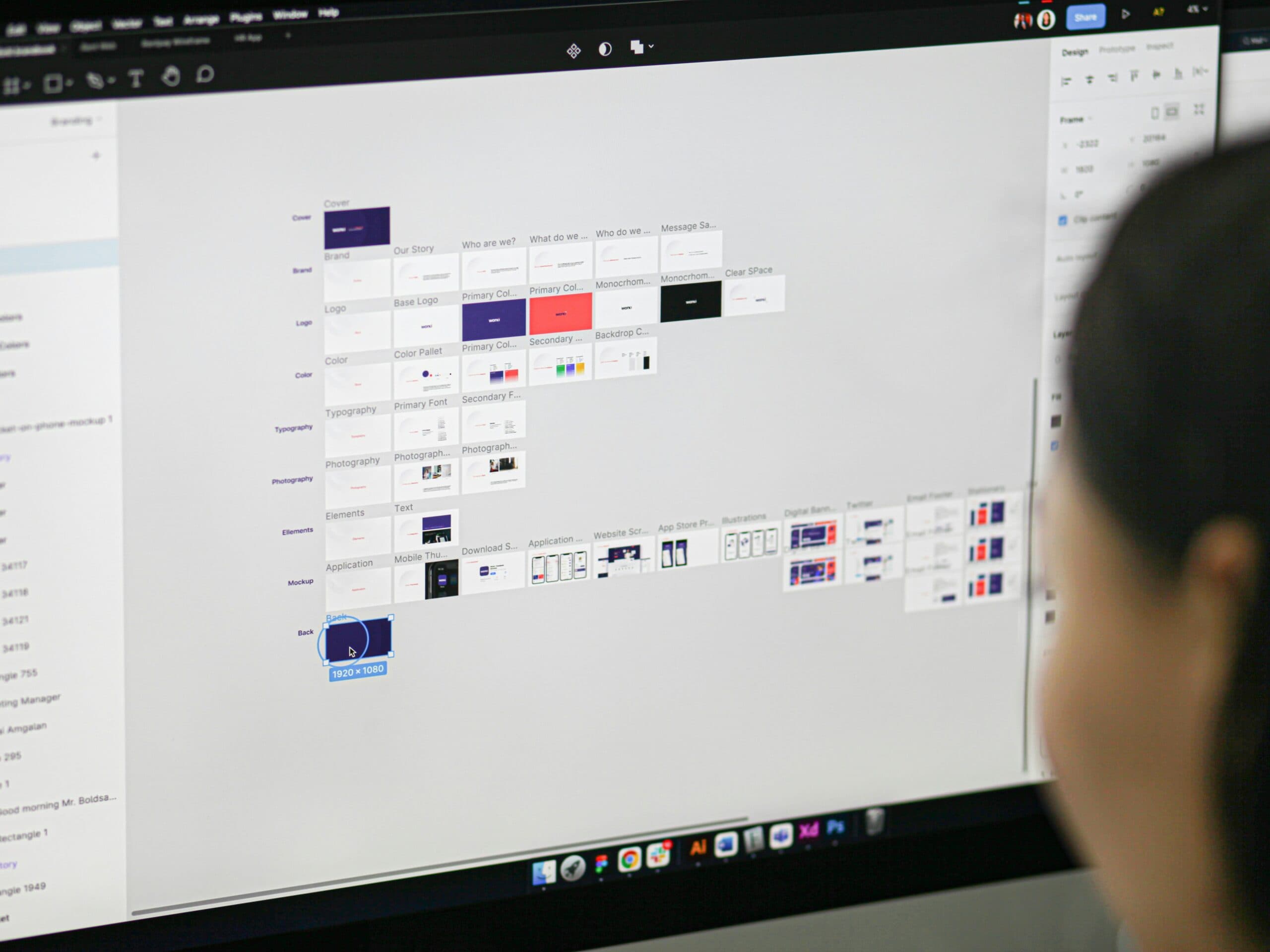
Table of contents
- The Best Podcast Branding Tools: Crafting an Unforgettable Audio Identity
- Why Podcast Branding Matters More Than You Think
- The Core Pillars of Podcast Branding
- 1. Visual Identity
- 2. Audio Identity
- 3. Messaging and Voice
- 4. Brand Assets and Management
- The Best Podcast Branding Tools: Categories and Functionality
- 1. Design Tools: Bringing Your Visuals to Life
- 2. Audio Tools: Crafting Your Sonic Identity
- 3. Writing and Messaging Tools: Defining Your Voice
- 4. Brand Asset Management Platforms: The Central Hub
- 5. Website and Hosting Tools: Your Digital Home
- Choosing the Right Tools for Your Podcast
- Integrating Your Tools for Maximum Impact
The Best Podcast Branding Tools: Crafting an Unforgettable Audio Identity
So, you’ve got a killer podcast idea. You’re passionate about the topic, have a fantastic co-host, and you’re ready to hit record and share your voice with the world. That’s awesome! But here’s the thing: in today’s crowded podcast landscape, just having great content isn’t always enough. To truly stand out and build a loyal listenership, your podcast needs more than just great audio – it needs a strong, memorable brand.
Think of it like this: when you hear a familiar jingle or see a distinctive logo, you instantly know who you’re dealing with, right? That’s branding at work. For podcasts, branding is your sonic fingerprint, your visual calling card, and the overall feeling listeners associate with your show. It’s what makes someone choose your podcast over countless others when scrolling through their feed.
But where do you start? What are the essential elements of podcast branding, and more importantly, what are the best tools to help you build and manage them effectively? That’s exactly what we’re diving into today. We’ll explore the key components of podcast branding and then walk through the types of tools that can make this process smooth, efficient, and, dare I say, enjoyable!
Why Podcast Branding Matters More Than You Think
Before we get into the nitty-gritty of tools, let’s solidify why this is so crucial. Strong branding for your podcast isn’t just about looking pretty; it’s a strategic investment that yields significant returns:
- First Impressions Count: Your podcast cover art, intro music, and even your show’s description are often the first touchpoints a potential listener has with your brand. A professional, cohesive presentation signals quality and encourages that first click.
- Memorability and Recognition: In a sea of audio content, a distinct brand identity makes your podcast easier to remember and recognize. This is vital for word-of-mouth marketing and for listeners to easily find you again.
- Building Trust and Credibility: A well-defined brand conveys professionalism and shows you’re serious about your podcast. This builds trust with your audience, making them more likely to engage with your content and recommendations.
- Creating a Community: Strong branding helps foster a sense of belonging. Listeners who connect with your brand’s values and personality are more likely to become dedicated fans and active members of your podcast community.
- Differentiation: What makes your podcast unique? Your brand is the vehicle for communicating that uniqueness. It sets you apart from competitors and attracts the specific audience you want to reach.
- Monetization Potential: Brands are more likely to partner with podcasts that have a clear, professional image. A strong brand also makes it easier to sell your own merchandise or premium content.
Consider the hugely popular podcast “The Daily” by The New York Times. Its branding is instantly recognizable: the distinct, slightly urgent-yet-authoritative intro music, the clean and informative cover art, and the clear editorial voice. This cohesive package tells listeners exactly what to expect: in-depth, timely news analysis. Without this strong brand, it would be just another news podcast among many.
The Core Pillars of Podcast Branding
To leverage the best tools, we need to understand what we’re branding. Here are the essential pillars of a successful podcast brand:
1. Visual Identity
This is what your podcast looks like. It’s the first thing people see on podcast directories, social media, and your website.
- Podcast Cover Art: This is arguably the most critical visual element. It needs to be eye-catching, legible at small sizes, and representative of your show’s topic and tone. Think of it as your podcast’s billboard.
- Logos and Supporting Graphics: Beyond cover art, you might need logos for social media profiles, website banners, episode graphics, and promotional materials.
- Color Palette and Typography: Consistent use of specific colors and fonts across all your visual assets creates a recognizable aesthetic.
When thinking about your visual identity, it’s helpful to consider the overall feeling you want to evoke. Are you aiming for serious and authoritative, like a podcast on finance? Or fun and energetic, like a show about pop culture? Your visuals should reflect this. For instance, a podcast like healthcare and pharmaceutical branding might opt for clean, trustworthy blues and greens, while a comedy podcast might use bolder, more playful colors.
2. Audio Identity
Since it’s a podcast, audio branding is paramount. It’s what your listeners hear and associate with your show.
- Intro/Outro Music: This is your sonic signature. It should be memorable, set the right tone, and be consistent across episodes.
- Sound Effects and Transitions: Judicious use of sound effects can enhance engagement, break up segments, and reinforce your brand’s personality.
- Voice and Delivery: The host’s voice, speaking style, and energy are fundamental to the podcast’s brand. This is something you develop organically, but consistency in tone is key.
Think about the iconic intro music of “Serial.” It’s instantly recognizable and sets a mood of suspense and intrigue that perfectly matches the show’s content. This sonic element is as crucial to its identity as the storytelling itself.
3. Messaging and Voice
This is about what you say and how you say it. It’s the personality of your podcast.
- Show Description and Tagline: These concise pieces of text need to hook potential listeners and clearly communicate your podcast’s value proposition.
- Tone of Voice: Are you formal, casual, humorous, educational, inspiring? Your chosen tone should be consistent in your scriptwriting, ad reads, and any written communication.
- Core Messaging/Values: What are the underlying beliefs or messages your podcast promotes? This forms the heart of your brand. For example, a podcast focused on employer branding would have messaging centered around company culture, employee experience, and talent attraction.
4. Brand Assets and Management
Once you’ve defined these elements, you need to organize and manage them. This is where brand asset management becomes indispensable.
- Logo Files: High-resolution versions in various formats (PNG, JPG, SVG).
- Music Files: Intro, outro, and any other recurring audio elements.
- Brand Guidelines: A document outlining your visual and verbal identity.
- Episode Artwork: Custom graphics for individual episodes.
- Templates: For social media posts, quotes, etc.
The Best Podcast Branding Tools: Categories and Functionality
Now that we’ve covered the “what,” let’s talk about the “how.” The best tools for podcast branding fall into several categories, each serving a specific purpose. You likely won’t need just one tool; a combination will give you the most comprehensive solution.
1. Design Tools: Bringing Your Visuals to Life
These are your go-to for creating eye-catching cover art, logos, and other visual assets. Even if you’re not a professional designer, many of these tools are user-friendly.
- Graphic Design Software: Think of industry-standard professional tools. They offer immense flexibility for creating custom artwork from scratch or editing existing templates. These are powerful but can have a steeper learning curve and often come with a subscription cost. They are ideal for creating unique, high-quality assets that truly represent your brand.
- Online Design Platforms: These platforms often provide a vast library of templates, stock photos, fonts, and graphic elements. They are excellent for quick creation and iteration, especially if you need to produce a lot of social media graphics or simple episode artwork. Many offer free tiers, making them accessible for beginners. The key here is consistency – using the same fonts and color palettes from your core brand guidelines ensures your visuals remain cohesive, even when using pre-made templates.
- Logo Makers: If you’re just starting and need a logo, there are many online tools specifically designed for this. They often use AI to generate logo options based on keywords and styles you select. While they can be a great starting point, remember that truly unique and memorable logos often come from custom design. You might use a logo maker for initial ideas, then refine it with a graphic designer or a more robust design tool. It’s interesting to explore how even famous logos with hidden meanings started as simple concepts.
Mini Case Study: Sarah runs a podcast about urban gardening. She used an online design platform to create her initial cover art. She chose a template with earthy tones and a simple illustration of a plant sprout. She then customized it with her podcast’s name using a font that felt organic and friendly. For episode-specific graphics, she uses the same platform, swapping out the central image but always keeping her core color palette and typography consistent. This ensures that every piece of visual content she releases instantly screams “Sarah’s Urban Garden Podcast.”
2. Audio Tools: Crafting Your Sonic Identity
Your sound is just as important as your visuals. These tools help you produce and polish your audio.
- Digital Audio Workstations (DAWs): These are the professional studios for audio production. They allow you to record, edit, mix, and master audio with incredible precision. While they can be complex, they offer the most control over your sound.
- Audio Editing Software: Simpler than full DAWs, these programs are excellent for cleaning up recordings, removing background noise, cutting out mistakes, and adding music. Many offer intuitive interfaces for beginners.
- Royalty-Free Music Libraries: You’ll need music for your intro, outro, and possibly for background segments. These libraries offer a vast selection of tracks you can license for use in your podcast. Look for services that allow you to filter by genre, mood, and instrumentation to find the perfect fit for your brand’s vibe.
- Voiceover and Sound Effect Libraries: Similar to music libraries, these provide access to professional voiceovers and sound effects that can enhance your podcast’s production value and add personality.
Mini Case Study: Mark hosts a true-crime podcast. He uses a DAW to record his voice, ensuring clean audio capture. For his intro and outro, he licensed a piece of atmospheric, slightly suspenseful music from a royalty-free library. He then uses audio editing software to layer his voiceover with the music, carefully adjusting levels so his narration is always clear. He also uses subtle sound effects – like a creaking door or a distant siren – sparingly to punctuate key moments, all managed within his audio editing workflow.
3. Writing and Messaging Tools: Defining Your Voice
Your words carry immense branding power. These tools help you craft compelling narratives and consistent messaging.
- Word Processors and Note-Taking Apps: For scripting, outlining episodes, and jotting down ideas. Tools that offer robust organization features can be a lifesaver.
- Grammar and Style Checkers: Ensuring your written content (show notes, website copy, social media posts) is polished and professional is crucial for brand perception.
- Thesaurus and Dictionary Tools: To help you find the perfect words and maintain a consistent vocabulary.
- AI Writing Assistants (used judiciously): These can help brainstorm taglines, draft show descriptions, or even suggest episode topics, but always remember to infuse your unique voice and perspective. They are best used as a starting point or for overcoming writer’s block.
The process of defining your brand voice can often be informed by a well-structured rebranding questionnaire to ask yourself and your team. This helps pinpoint your core values, target audience, and desired perception.
4. Brand Asset Management Platforms: The Central Hub
This is where it all comes together. A Brand Asset Management (BAM) system acts as your podcast’s digital library, ensuring consistency and easy access to all your brand elements. This is crucial for efficiency and for maintaining brand integrity, especially as your podcast grows and you involve more people.
What can these platforms do for your podcast branding?
- Centralized Storage: All your logos, cover art, music files, brand guidelines, templates, and other assets are stored in one secure, organized location.
- Version Control: Keep track of different versions of your assets, ensuring everyone is using the latest approved files.
- Easy Access and Search: Quickly find the assets you need using keywords, tags, or categories. This is a massive time-saver.
- Controlled Permissions: Grant different levels of access to team members or collaborators, ensuring sensitive or core brand assets are protected.
- Brand Guidelines Enforcement: Many platforms allow you to embed brand guidelines directly, making it easy for anyone creating content to adhere to your standards.
- Analytics (in some platforms): Understand how your brand assets are being used and their performance, which can inform future creative decisions. This ties into measuring brand asset performance.
- Streamlined Collaboration: Share assets with guests, editors, or marketing partners seamlessly.
Imagine you’re launching a new episode and need to create social media graphics. Instead of digging through various folders or asking colleagues, you simply log into your BAM system, download the latest logo, pull the approved color palette and fonts, and use a pre-designed template. This drastically improves marketing efficiency.
Mini Case Study: “The Future Forward” podcast is produced by a small team. They use a BAM platform to store their primary logo, episode cover art templates, intro/outro music files, and their brand style guide. When the marketing intern needs to create promotional posts, they access the platform, download the correct logo files, and use the provided templates. The producer can easily upload new music tracks and ensure they are tagged correctly for easy retrieval. This prevents outdated logos from being used or the wrong music from being applied, maintaining a professional and consistent brand image across all their promotional efforts.
5. Website and Hosting Tools: Your Digital Home
While not strictly “branding tools” in the asset creation sense, these platforms are where your brand lives online and where listeners can find comprehensive information about your show.
- Podcast Hosting Platforms: These services distribute your podcast to directories like Apple Podcasts, Spotify, etc. They often offer tools for managing show notes, artwork, and basic analytics.
- Website Builders: A dedicated website for your podcast is invaluable. It’s a place to host detailed show notes, blog posts, merchandise, contact information, and more. A professional website reinforces your brand and provides a central hub for your audience.
For instance, a visually stunning and well-organized website, using consistent branding from your cover art and color palette, can significantly elevate your podcast’s perceived value. It’s an extension of your audio brand.
Choosing the Right Tools for Your Podcast
The “best” tools depend entirely on your podcast’s stage, budget, and team size.
- For the Solo Podcaster Just Starting Out: Focus on user-friendly design platforms (like Canva or Adobe Express for visuals), free or affordable audio editing software, and royalty-free music libraries. A simple website builder is also a good investment. You might not need a full BAM system yet, but organizing your files diligently on your computer is key.
- For Growing Podcasts with a Small Team: You’ll benefit from more robust design software, potentially professional audio editing suites, and definitely a good brand asset management system. This is where investing in a centralized platform pays off by streamlining workflows and preventing brand inconsistencies as more people get involved.
- For Established Podcasts or Networks: A comprehensive BAM system is non-negotiable. You’ll also likely be using professional-grade design and audio tools, and potentially dedicated analytics platforms to measure engagement and asset performance.
A good starting point for defining your brand’s foundational elements, which then inform your tool choices, can be found in an ultimate brand identity checklist.
Integrating Your Tools for Maximum Impact
The real magic happens when your tools work together. Here’s how to think about integration:
Design Pipeline:
- Use your core brand guidelines (stored in your BAM system) as the foundation.
- Create cover art and episode graphics using design software, ensuring they align with the guidelines.
- Upload approved visuals to your BAM system.
- Use these assets in your website, social media, and promotional materials.
Audio Pipeline:
- Source royalty-free music and sound effects from licensed libraries.
- Record and edit episodes using DAWs or audio editing software.
- Add intro/outro music and sound effects.
- Export final audio files in the correct format.
- Store approved music and sound effect files in your BAM system for easy access by all team members.
Content Creation:
- Script episodes using word processors or note-taking apps.
Saurabh Kumar
Founder, BrandKity
Saurabh writes about practical brand systems, faster client handoffs, and scalable workflows for designers and agencies building repeatable delivery operations.
Connect on LinkedIn