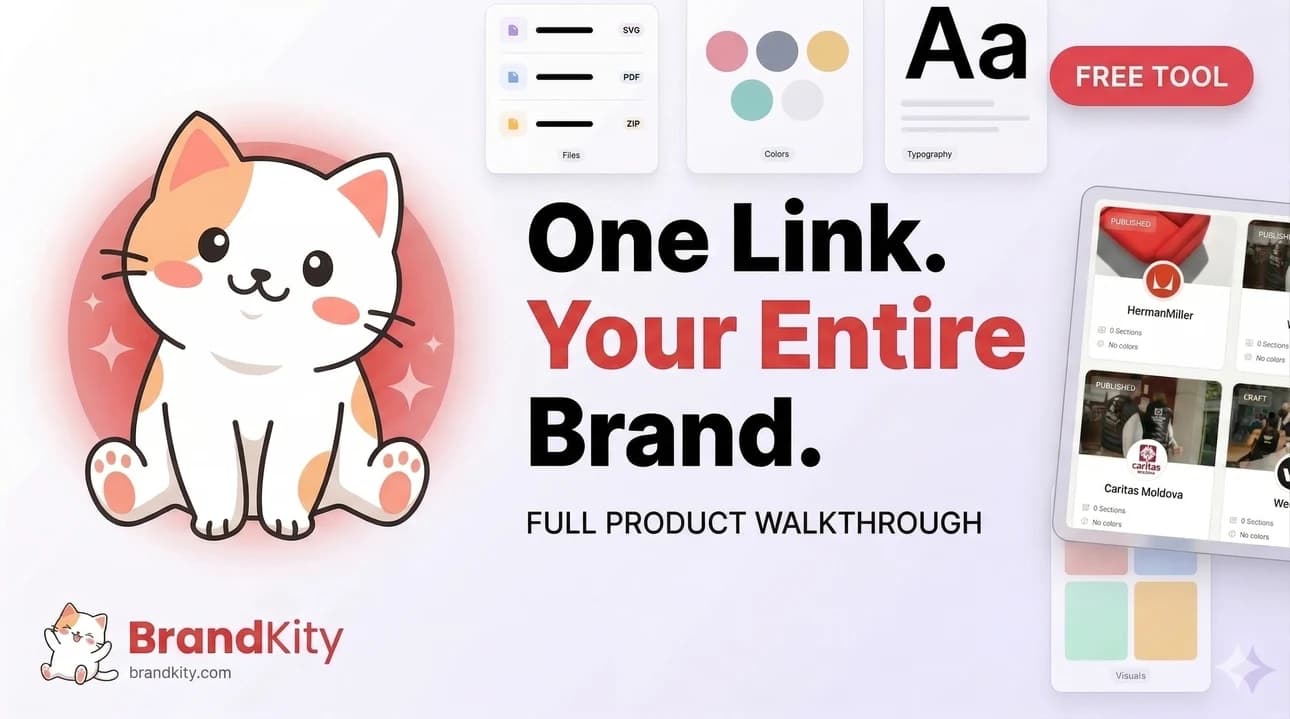
Best Brand Asset Management Tools For 2025
The Best Brand Asset Management Tools for 2025: Your Guide to Keeping Your Brand Brilliant Hey there, fellow brand enthusiasts! As we gear up for 2025, one thing remains crystal clear: a strong, consistent brand is your most valuable asset. But let’s be honest, managing all those logos, images, videos, fonts, and style guides can
Table of contents
- The Best Brand Asset Management Tools for 2025: Your Guide to Keeping Your Brand Brilliant
- Why Investing in a Brand Asset Management Tool is Non-Negotiable for 2025
- Efficiency Boost: Finding What You Need, When You Need It
- Consistency is King: Maintaining Brand Integrity
- Collaboration & Empowerment: Enabling Your Teams
- Key Features to Look for in a Brand Asset Management Tool for 2025
- 1. Centralized Digital Asset Repository
- 2. Advanced Search & Filtering Capabilities
- 3. Robust Brand Guidelines and Style Guides Integration
- 4. User Management and Permissions Control
- 5. Workflow Automation and Collaboration Tools
- 6. Analytics and Reporting
- 7. Security and Compliance Features
- Choosing the Right Brand Asset Management Tool for Your Business in 2025
- 1. Your Brand’s Size and Complexity
- 2. Your Team’s Needs and Technical Savvy
- 3. Budget Considerations
- 4. Scalability and Future-Proofing
- Beyond the Tool: Cultivating Brand Stewardship
- Ready to Elevate Your Brand in 2025?
The Best Brand Asset Management Tools for 2025: Your Guide to Keeping Your Brand Brilliant
Hey there, fellow brand enthusiasts! As we gear up for 2025, one thing remains crystal clear: a strong, consistent brand is your most valuable asset. But let’s be honest, managing all those logos, images, videos, fonts, and style guides can feel like herding cats in a tornado. It’s easy for things to get lost, outdated, or – dare I say it – misused, leading to a diluted brand message. That’s where the magic of Brand Asset Management (BAM) tools comes in. Think of them as your brand’s central command center, ensuring everyone has access to the right assets, in the right format, every single time.
At Brandkity, we live and breathe branding, and we know that choosing the right BAM solution is crucial. It’s not just about storage; it’s about empowering your teams, streamlining workflows, and ultimately, protecting and elevating your brand’s identity. So, if you’re looking to get your brand assets in tip-top shape for the coming year, you’ve come to the right place. We’re going to dive deep into what makes a BAM tool great and explore the kinds of features that will help you conquer your brand management challenges in 2025.
Why Investing in a Brand Asset Management Tool is Non-Negotiable for 2025
Before we jump into specific features, let’s quickly revisit why this is so important. Imagine this:
- A marketing intern accidentally uses an old, pixelated version of your logo on a major campaign. Ouch.
- Your sales team can’t find the latest product spec sheet for a crucial client meeting, leading to delays and frustration.
- Different departments are using slightly different versions of your brand colors, creating a visual disconnect across all touchpoints.
- New hires spend hours searching through scattered folders for brand guidelines they can’t even find.
Sound familiar? These are the everyday headaches that a robust BAM system solves. It’s not just about preventing mistakes; it’s about enabling efficiency, fostering collaboration, and ensuring your brand speaks with a single, powerful voice. For a comprehensive overview of why this is essential, our Brand Asset Management Guide is a fantastic starting point.
Efficiency Boost: Finding What You Need, When You Need It
The sheer volume of digital assets a company generates can be overwhelming. Without a centralized, easily searchable system, valuable time is wasted hunting for files. Think of it like a library – you wouldn’t want to find a book by randomly rummaging through every shelf. You’d expect a catalog, clear sections, and maybe even a helpful librarian. A BAM tool provides that for your brand assets.
Real-World Example: A fast-growing e-commerce company was struggling with its marketing materials. Their product photography was scattered across cloud drives, old servers, and individual designer laptops. When a new product launched, it took the marketing team days to gather approved images, leading to missed launch windows. Implementing a BAM system, with clear tagging and categorization, meant they could access all approved product shots in minutes, drastically speeding up their go-to-market strategy.
Consistency is King: Maintaining Brand Integrity
In today’s crowded marketplace, consistency is key to building trust and recognition. Every touchpoint, from social media posts to print advertisements, should feel like it comes from the same, cohesive brand. BAM tools enforce this by acting as the single source of truth for all approved brand elements. This is where strong brand compliance truly shines.
Analogy: Think of your brand guidelines like a musical score. The BAM tool ensures everyone playing the instrument has the correct sheet music, so the symphony sounds harmonious, not chaotic. Without it, you might have some musicians playing a jazz improvisation while others stick to the classical piece.
Collaboration & Empowerment: Enabling Your Teams
A BAM tool isn’t just for the brand police; it’s a powerful enabler for everyone who uses brand assets. When sales, marketing, design, HR, and even external partners have easy access to the correct, up-to-date materials, they can do their jobs more effectively and with greater confidence. This fosters a sense of shared ownership and responsibility for the brand.
Mini Case Study: A large retail chain’s regional managers were often creating their own promotional flyers for local events, leading to wildly inconsistent messaging and visuals. By providing them with a BAM portal containing pre-approved templates, logos, and imagery, they could quickly customize materials that were always on-brand, saving them time and ensuring a unified look across all store locations.
Key Features to Look for in a Brand Asset Management Tool for 2025
So, what separates a good BAM tool from a great one? As we look ahead, certain features are becoming table stakes, while others offer a significant competitive edge. Let’s break down the essentials:
1. Centralized Digital Asset Repository
This is the core function. You need a secure, cloud-based location to store all your brand assets. But it’s more than just a glorified cloud drive. Look for:
- Unlimited Storage & Scalability: As your brand grows, so will your asset library. Ensure the platform can handle your current needs and scale with you.
- Support for All File Types: Logos (vector and raster), images, videos, audio files, presentations, documents, fonts – the more formats it supports, the better.
- Version Control: Crucial for tracking changes and ensuring everyone is using the latest approved version. No more “final_v3_really_final.jpg”!
- Asset Organization: This goes beyond simple folders. Think custom metadata fields, tagging, categories, and collections that make sense for your brand.
2. Advanced Search & Filtering Capabilities
Having everything in one place is useless if you can’t find it. Powerful search is paramount.
- Keyword Search: Standard, but essential.
- Metadata Filtering: Search by asset type, usage rights, expiration date, campaign, product line, color palette, etc. This is where custom tagging pays off.
- AI-Powered Search (Optional but Recommended): Some platforms are starting to incorporate AI for visual recognition, meaning you could search for “blue sky landscape with a dog” and find relevant images even if they weren’t tagged with those exact keywords.
- Saved Searches: Allow users to save frequently used search queries for quick access.
Imagine a designer needing a specific shade of blue for a social media graphic. With robust metadata and filtering, they can instantly pull up all approved assets tagged with that exact color, ensuring consistency. This ties back to understanding your brand’s core elements, like exploring primary colors basics and their applications.
3. Robust Brand Guidelines and Style Guides Integration
This is where BAM truly becomes Brand Asset Management. The tool should not only store assets but also provide context and rules for their use.
- Integrated Brand Guidelines: Embed your official brand guidelines directly within the platform. Users can access them alongside the assets they need.
- Interactive Style Guides: Go beyond static PDFs. Think digital guides that showcase correct logo usage, typography, color palettes, imagery styles, and tone of voice with interactive examples. For WordPress users, understanding how these principles translate into a site is key; check out our Style Guides For WordPress post for insights.
- Usage Rules & Permissions: Clearly define how and where assets can be used. For example, specify which logo variations are for web, print, or internal use only.
- Templates: Provide pre-designed templates for common marketing materials (presentations, social posts, brochures) that users can easily customize.
This feature is critical for maintaining brand consistency tips across all communications. It’s like having a digital brand guardian available 24/7.
4. User Management and Permissions Control
Not everyone needs access to everything, and not everyone should have the ability to edit critical brand assets.
- Role-Based Access: Define different user roles (e.g., Administrator, Editor, Viewer, Guest) with specific permissions.
- Granular Control: Ability to set permissions at the folder, collection, or even individual asset level.
- Team & Department Management: Organize users into teams for easier management and targeted access.
- Guest Access: Securely share specific assets or collections with external partners, agencies, or freelancers without giving them full system access.
This ensures that sensitive assets remain protected while empowering the right people with the right tools. It’s a cornerstone of effective brand governance.
5. Workflow Automation and Collaboration Tools
Streamlining processes saves time and reduces errors. Look for features that automate repetitive tasks and facilitate teamwork.
- Approval Workflows: Set up multi-step approval processes for new assets or changes to existing ones.
- Notifications & Alerts: Keep users informed about asset updates, approvals, or expiring licenses.
- Commenting & Feedback: Allow users to leave comments and provide feedback directly on assets.
- Asset Sharing: Easy ways to share individual assets or collections via secure links.
- Integration with Other Tools: Connect your BAM system with your design software, project management tools, or CMS for seamless workflows.
Think about the entire digital asset management workflow. A BAM tool should simplify and accelerate it, not complicate it.
6. Analytics and Reporting
Understanding how your assets are being used is invaluable for optimizing your brand strategy.
- Asset Usage Reports: See which assets are downloaded most frequently, by whom, and for what purpose.
- User Activity Logs: Track who has accessed or modified which assets.
- License Expiration Tracking: Monitor upcoming expirations for stock photos, fonts, or other licensed materials.
- Brand Compliance Audits: Some platforms can help identify potential compliance issues based on asset usage.
These insights can inform future content creation, identify underutilized assets, and highlight areas where further brand training might be needed.
7. Security and Compliance Features
Your brand assets are valuable intellectual property. Protecting them is non-negotiable.
- Robust Security Protocols: Encryption (in transit and at rest), secure login procedures, regular security audits.
- Audit Trails: Detailed logs of all user activity for accountability and troubleshooting.
- Usage Rights Management: Clearly define and track licensing information for all assets to avoid legal issues.
- GDPR/CCPA Compliance: Ensure the platform adheres to relevant data privacy regulations.
This is crucial for maintaining brand compliance and mitigating risks.
Choosing the Right Brand Asset Management Tool for Your Business in 2025
With so many options available, how do you pick the one that’s right for you? It’s not a one-size-fits-all situation. Consider these factors:
1. Your Brand’s Size and Complexity
- Small Businesses/Startups: May need a simpler, more affordable solution focused on core DAM functionality and basic brand guidelines.
- Mid-Sized Companies: Will likely require more robust features like advanced search, workflow automation, and detailed user permissions.
- Large Enterprises: Need highly scalable solutions with enterprise-grade security, extensive integration capabilities, and sophisticated reporting.
2. Your Team’s Needs and Technical Savvy
- User Experience (UX): Is the interface intuitive and easy to navigate for all users, regardless of their technical skill?
- Training Requirements: How much onboarding and training will your team need? Look for platforms that offer good support and documentation.
- Integration Needs: Does the tool integrate seamlessly with your existing tech stack (e.g., Adobe Creative Suite, Google Workspace, Microsoft 365, project management tools)?
3. Budget Considerations
BAM tools come at various price points, often based on the number of users, storage space, and feature sets. Determine your budget upfront, but remember to consider the ROI – the time saved, errors avoided, and brand value protected often far outweigh the cost.
4. Scalability and Future-Proofing
Choose a solution that can grow with your brand. Can it handle an increasing number of assets and users? Does the vendor have a roadmap for incorporating new technologies and features?
Think about what your brand might look like in 3-5 years. Will this tool still be a good fit? Investing in a platform that can adapt is a smart long-term strategy.
Beyond the Tool: Cultivating Brand Stewardship
While a powerful BAM tool is essential, it’s only one piece of the puzzle. True brand success in 2025 will also rely on fostering a culture of brand stewardship within your organization. This means:
- Clear Communication: Regularly communicate brand standards and updates to all teams.
- Ongoing Training: Provide continuous training on brand guidelines and how to use the BAM system effectively.
- Encouraging Feedback: Create channels for employees to ask questions and provide feedback on brand assets and guidelines.
- Celebrating Brand Wins: Highlight examples of excellent brand application and consistency.
Ultimately, the goal is to make it as easy as possible for everyone to do the right thing when it comes to your brand. A well-chosen BAM platform is your most powerful ally in achieving this. For those looking to understand the broader concept, our piece on what is a brand platform can provide further context.
Ready to Elevate Your Brand in 2025?
Managing your brand assets effectively is no longer a nice-to-have; it’s a strategic imperative. In 2025, the brands that thrive will be those that can consistently present a cohesive, compelling, and trustworthy image across every touchpoint. A top-tier Brand Asset Management tool is the engine that powers this consistency, driving efficiency, collaboration, and ultimately, brand loyalty.
Take the time to evaluate your current needs, explore the features that matter most to your team, and select a solution that will empower your brand to shine brightly in the year ahead. Don’t let your valuable brand assets get lost in the digital shuffle. Invest in a system that protects, organizes, and amplifies your brand’s unique story. Your future self (and your customers) will thank you.
Saurabh Kumar
Founder, BrandKity
Saurabh writes about practical brand systems, faster client handoffs, and scalable workflows for designers and agencies building repeatable delivery operations.
Connect on LinkedIn