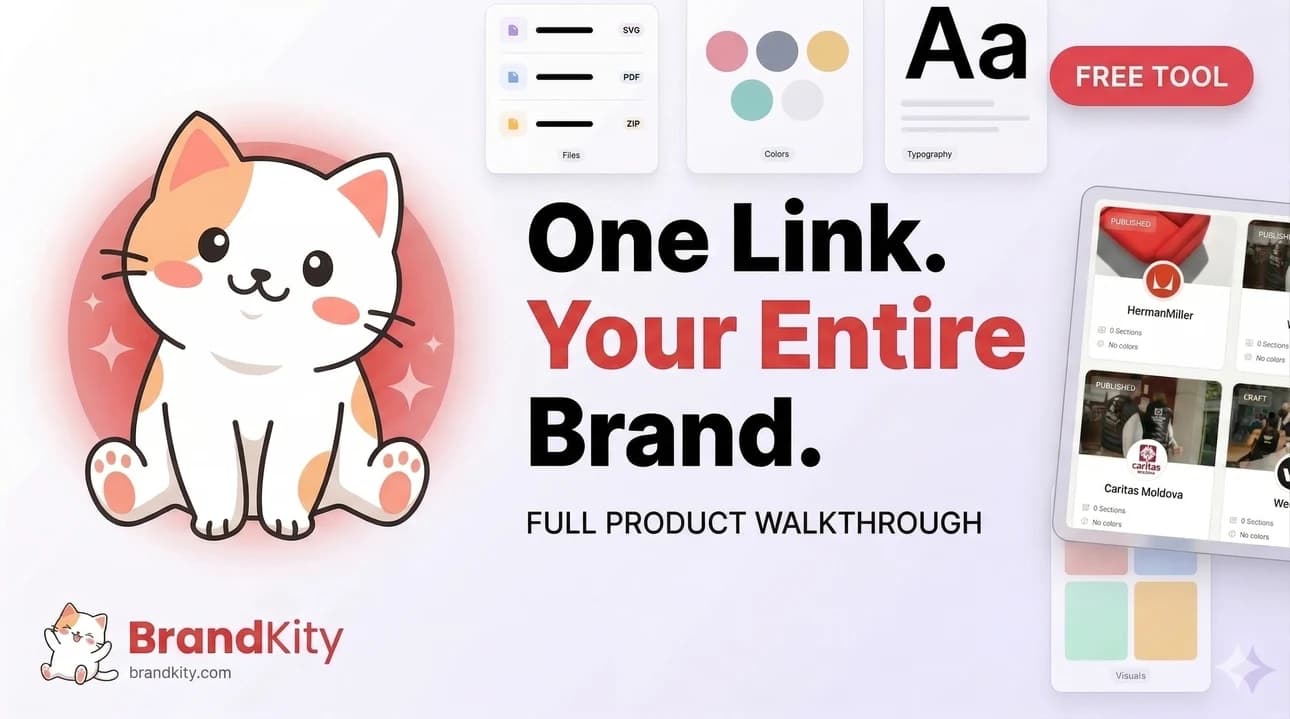
What Is Brand Portal
What Is A Brand Portal and Why Your Business Needs One Hey there! Let’s chat about something super important for any business that’s serious about its image and how it shows up in the world: a brand portal. If you’ve ever felt that familiar pang of frustration trying to find the right logo version, the
Table of contents
- What Is A Brand Portal and Why Your Business Needs One
- The Core Components of a Brand Portal
- The Problem a Brand Portal Solves: The “Wild West” of Brand Assets
- Key Benefits of Implementing a Brand Portal
- 1. Unwavering Brand Consistency
- 2. Enhanced Efficiency and Productivity
- 3. Reduced Costs and Risk
- 4. Empowered Collaboration
- 5. Improved Brand Governance
- 6. Future-Proofing Your Brand Assets
- Who Benefits from a Brand Portal?
- Beyond Basic File Storage: The Evolution of Brand Portals
- Choosing the Right Brand Portal for Your Business
- A Brand Portal is an Investment, Not an Expense
What Is A Brand Portal and Why Your Business Needs One
Hey there! Let’s chat about something super important for any business that’s serious about its image and how it shows up in the world: a brand portal. If you’ve ever felt that familiar pang of frustration trying to find the right logo version, the latest marketing collateral, or even just understanding the exact shade of blue your brand uses, then you’re in the right place. Think of this as a friendly chat between colleagues, where I’ll break down exactly what a brand portal is, why it’s not just a nice-to-have but a must-have, and how it can seriously level up your entire brand operation.
In today’s fast-paced, multi-channel world, consistency is king. Whether you’re a budding startup or a seasoned enterprise, ensuring everyone, everywhere, is using your brand assets correctly and consistently is a monumental task. This is where the magic of a brand portal comes in. It’s your central command center, your single source of truth, your organized digital filing cabinet – all rolled into one sleek, accessible platform.
So, what exactly is a brand portal? At its heart, it’s a centralized, cloud-based system designed to store, organize, manage, and distribute all of your brand’s digital assets. We’re talking logos, images, videos, brand guidelines, templates, presentations, marketing collateral, and pretty much anything else that visually or verbally represents your brand. It’s the digital embodiment of your brand’s identity, made easily accessible to everyone who needs it.
Let’s dive deeper and explore why this isn’t just another piece of software, but a fundamental tool for building and maintaining a strong, cohesive brand.
The Core Components of a Brand Portal
Before we get into the nitty-gritty of benefits, it’s helpful to understand what makes a brand portal tick. Think of it as a well-equipped toolbox for your brand. Inside, you’ll typically find:
- A Digital Asset Management (DAM) System: This is the engine room. A robust DAM allows you to upload, categorize, tag, search, and retrieve all your brand assets. This isn’t just like a shared drive; it’s intelligent. You can tag assets with keywords, usage rights, expiration dates, and more, making them incredibly easy to find. If you’re wondering about the difference, think of it this way: A document management system is great for documents, but a DAM is specifically built for rich media and brand assets.
- Brand Guidelines: This is where you codify your brand’s DNA. Think of this as the rulebook. It dictates everything from logo usage and color palettes to typography, tone of voice, and imagery style. A brand portal makes these guidelines easily accessible, often in a visually engaging format, ensuring everyone understands how to represent the brand correctly. You might even have resources on how to create your brand guideline book to be as comprehensive as possible.
- Templates and Collateral: Need a business card? A social media graphic? A presentation deck? A brand portal often houses pre-approved, on-brand templates that employees or partners can use. This saves time and, more importantly, ensures consistency across all communications.
- User Management and Permissions: Not everyone needs access to everything. A brand portal allows you to control who sees what, ensuring sensitive assets or specific versions are only available to authorized users.
- Search and Discovery: This is where the magic happens. Powerful search functionality, often powered by AI and advanced tagging, means you can find what you need in seconds, not hours.
- Analytics and Reporting: Some portals offer insights into asset usage, helping you understand what’s popular, what’s being downloaded, and how your brand assets are performing.
The Problem a Brand Portal Solves: The “Wild West” of Brand Assets
Imagine this scenario: Sarah in marketing needs the latest high-resolution logo for a new ad campaign. She remembers downloading it “somewhere” a few months ago. She checks her personal drive, then a shared drive labeled “Logos_Final_v3_ReallyFinal,” then asks a colleague who thinks they have it. After an hour of searching, she finds a low-res version, or worse, an outdated one. The ad campaign gets delayed, or worse, runs with an incorrect logo, diluting the brand’s professional image.
Sound familiar? This is the reality for many businesses before they implement a brand portal. Without a centralized system, brand assets become scattered across individual hard drives, email chains, cloud storage services like Dropbox vs Google Drive, and even physical filing cabinets. This leads to:
- Inconsistency: Different versions of logos, outdated color palettes, and varying fonts all contribute to a fragmented brand image.
- Wasted Time and Resources: Employees spend countless hours searching for assets, duplicating work, and recreating materials that already exist.
- Brand Dilution: Using incorrect assets can confuse your audience and damage your brand’s credibility. Think of how instantly recognizable a consistent brand like Coca-Cola is – that’s built on meticulous asset management.
- Compliance Risks: Using unlicensed images or violating usage rights can lead to legal trouble.
- Frustration and Inefficiency: It’s simply demoralizing for your team to constantly struggle with basic brand tasks.
A brand portal puts an end to this chaos. It’s the antidote to the “Wild West” of brand assets, bringing order, clarity, and efficiency.
Key Benefits of Implementing a Brand Portal
Now that we understand what a brand portal is and the problems it solves, let’s talk about the tangible benefits. These aren’t just abstract advantages; they translate directly into better business outcomes.
1. Unwavering Brand Consistency
This is arguably the biggest win. When everyone has access to the single, approved version of every brand asset – logos, fonts, colors, imagery, messaging – consistency becomes effortless. Imagine your brand messages being perfectly aligned across all your communications. You can explore excellent brand message examples and see how powerful a clear, consistent message can be.
Real-World Analogy: Think of an orchestra. Each musician has their sheet music, and the conductor ensures they all play the same piece, at the same tempo, with the same dynamics. A brand portal is the sheet music and the conductor for your brand’s visual and verbal representation. Without it, you have a bunch of musicians playing different tunes.
This consistency builds recognition, trust, and professionalism. When customers see the same logo, colors, and messaging across all touchpoints, they develop a stronger mental association with your brand. It’s like seeing the iconic golden arches – you instantly know it’s McDonald’s, no matter where you are in the world. This level of recognition is built through relentless consistency, and a brand portal is your most powerful tool for achieving it.
2. Enhanced Efficiency and Productivity
How much time does your team spend searching for files? What if they could find what they need in seconds? A brand portal with robust search capabilities and clear organization drastically reduces the time spent hunting for assets. This frees up your team to focus on more strategic and creative tasks – the things that truly drive your business forward.
Consider the process of creating a new marketing campaign. Instead of emailing designers for logos, checking with the legal team for image rights, and then manually compiling approved copy, your marketing team can log into the brand portal, download all necessary assets, and start creating. This streamlined workflow can shave days or even weeks off project timelines.
For roles like a Brand and Marketing Manager, this efficiency is a game-changer. They can delegate tasks more effectively, knowing that their team has access to the right resources, and spend less time firefighting asset requests.
3. Reduced Costs and Risk
Mistakes are expensive. Using the wrong logo can lead to costly reprints or campaign redesigns. Using outdated marketing materials can misinform customers. And, as mentioned, using unlicensed imagery can result in hefty fines.
A brand portal minimizes these risks by ensuring:
- Approved Versions Only: Only the latest, approved versions of assets are available for download.
- Clear Usage Rights: Information about licensing and usage restrictions can be attached to assets.
- Template Standardization: Pre-approved templates reduce the need for custom design work and ensure brand adherence.
By preventing costly errors and ensuring legal compliance, a brand portal acts as a significant cost-saving measure. It also reduces the risk of brand damage, which can be far more costly than any financial penalty.
4. Empowered Collaboration
Brand consistency isn’t just an internal concern. It extends to external partners, agencies, and even freelancers. A brand portal provides a single, secure platform for sharing brand assets and guidelines with anyone who needs them, from anywhere in the world.
When you onboard a new agency or partner, you don’t have to spend hours gathering and emailing files. You simply grant them access to your brand portal. This ensures they have the correct resources from day one, setting them up for success and minimizing the back-and-forth that often plagues external collaborations.
This is especially crucial in today’s distributed work environments. Whether your team is in the same office or spread across different continents, a brand portal ensures everyone is working from the same playbook. It’s a vital tool for tools to share brand files with designers and other external collaborators.
5. Improved Brand Governance
Brand governance is about establishing the rules and processes for how your brand is managed and represented. A brand portal is the technological backbone of effective brand governance.
It allows you to:
- Enforce Brand Standards: By making guidelines easily accessible and providing approved assets, you encourage adherence to your brand standards.
- Track Asset Usage: Understand which assets are being used, by whom, and for what purpose. This can inform future asset creation and strategy.
- Manage Brand Evolution: When you update your brand, you can quickly and efficiently update all assets within the portal, ensuring everyone transitions to the new standards simultaneously.
Think about a major rebrand. Without a portal, rolling out new logos, colors, and guidelines to every department, every marketing channel, and every external partner would be a logistical nightmare. With a portal, it’s a controlled, systematic update.
6. Future-Proofing Your Brand Assets
The digital landscape is constantly evolving. New platforms, new file formats, and new ways of consuming content emerge regularly. A well-designed brand portal is built to adapt.
It allows you to store assets in various formats, tag them with metadata that remains relevant across different platforms, and easily update them as your brand evolves. This ensures your brand assets remain valuable and usable far into the future, rather than becoming obsolete.
Consider the rise of video content. A brand portal can store high-resolution video files, different aspect ratios for various social media platforms, and accompanying brand guidelines for video production. This foresight ensures you’re always ready for the next big trend.
Who Benefits from a Brand Portal?
The truth is, almost every department within a company can benefit from a brand portal. Here’s a quick rundown:
- Marketing Teams: Access to campaign assets, social media graphics, ad creatives, and brand guidelines.
- Sales Teams: Downloadable sales decks, product sheets, brochures, and client presentation templates.
- Designers: The definitive source for logos, color palettes, fonts, and image libraries.
- Product Teams: Access to product imagery, logos for packaging, and brand guidelines for product development.
- HR/Recruitment: On-brand templates for job postings, career pages, and internal communications.
- External Agencies & Partners: Secure access to brand assets for consistent co-branding and campaign execution.
- Legal Teams: Oversight of asset usage rights and compliance.
- Executives: Quick access to high-level brand materials for presentations and communications.
Essentially, anyone who needs to represent your brand in any way can benefit from having a single, reliable source for all brand-related materials.
Beyond Basic File Storage: The Evolution of Brand Portals
It’s important to distinguish a brand portal from simple cloud storage solutions like Dropbox or Google Drive. While those are excellent for general file sharing, they lack the specialized features required for true brand asset management. A brand portal is a dedicated system designed for the specific needs of branding and marketing.
Modern brand portals are increasingly leveraging technologies like Artificial Intelligence (AI) for features such as:
- Automated Tagging: AI can analyze images and videos to automatically suggest relevant tags, speeding up the organization process.
- Smart Search: AI-powered search understands natural language queries, making it easier to find assets even if you don’t know the exact keywords.
- Content Recommendations: Some portals can suggest relevant assets based on your current project or past usage.
- Brand Compliance Checking: AI can even be used to scan content and flag potential brand guideline violations.
These advancements are part of the broader trend towards automated branding tools and trends, making brand management more efficient and intelligent than ever before. The future of brand management is about smart, automated solutions that empower teams and protect brand integrity.
Choosing the Right Brand Portal for Your Business
When considering a brand portal, it’s crucial to think about your specific needs:
- Scalability: Will the platform grow with your business?
- Ease of Use: Is it intuitive for all your users, regardless of their technical expertise?
- Integration: Does it integrate with your existing marketing and design tools?
- Security: How secure is your valuable brand data?
- Support: What level of customer support is offered?
- Customization: Can you tailor the portal to your specific brand identity and workflows?
Think of it like choosing the right hosting for your online store. You need something robust, fast, and reliable to ensure a great customer experience. For your brand assets, you need a platform that offers similar guarantees. You can explore options for best fastest hosting for WooCommerce stores to understand the importance of a solid foundation, and apply similar logic to your brand asset management.
The best portals act as a central hub for all your brand content, from foundational elements like your logo as a brand asset to dynamic campaign materials. They can even host resources that help teams understand your brand’s core messaging and values.
A Brand Portal is an Investment, Not an Expense
Implementing a brand portal might seem like a significant investment, but it’s one that pays dividends. It’s an investment in brand equity, operational efficiency, risk reduction, and ultimately, business success.
Think of the long-term impact of a consistently strong brand. It builds customer loyalty, attracts top talent, and can command premium pricing. A brand portal is the essential infrastructure that supports and amplifies all of that.
It’s the difference between a chaotic, unpredictable brand presence and a polished, professional, and powerful one. It’s about giving your brand the best possible platform to shine, ensuring that every touchpoint reinforces who you are and what you stand for.
So, if you’re tired of brand asset chaos, if you’re looking to streamline your marketing efforts, and if you’re committed to building a truly cohesive and impactful brand, it’s time to explore what a brand portal can do for you. It’s more than just software; it’s the engine that drives brand excellence.
Saurabh Kumar
Founder, BrandKity
Saurabh writes about practical brand systems, faster client handoffs, and scalable workflows for designers and agencies building repeatable delivery operations.
Connect on LinkedIn