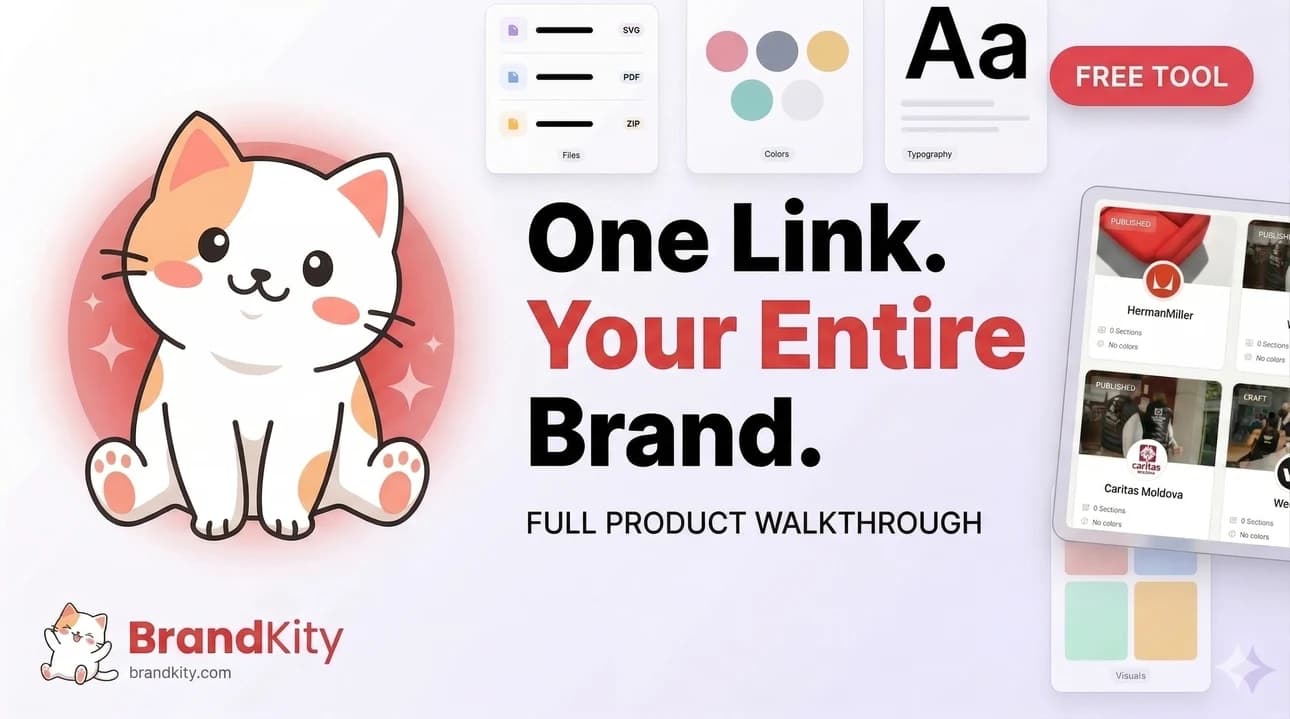
Make Brand Assets Easy To Find And Use
Make Brand Assets Easy To Find And Use Ever felt like you’re drowning in a sea of logos, images, videos, and presentations? You know the feeling. It’s that frantic search through shared drives, endless email threads, or even dusty old hard drives, desperately trying to unearth that one specific graphic for a crucial client presentation
Table of contents
- Make Brand Assets Easy To Find And Use
- The Hidden Costs of Disorganized Brand Assets
- What Does “Easy To Find And Use” Actually Mean?
- 1. Centralized and Accessible Storage
- 2. Intelligent Organization and Tagging
- 3. Powerful Search Capabilities
- 4. Clear Usage Guidelines and Rights Management
- 5. Easy Download and Sharing Options
- How to Achieve “Easy To Find And Use”: Practical Strategies
- 1. Conduct an Asset Audit
- 2. Define Your Asset Taxonomy and Metadata Strategy
- 3. Implement a Centralized Digital Asset Management (DAM) System
- 4. Establish Clear Processes and Workflows
- 5. Regularly Review and Refine
- Real-World Scenarios: Where Easy Asset Management Shines
- Scenario 1: The Urgent Social Media Campaign
- Scenario 2: Onboarding New Team Members
- Scenario 3: Franchise Marketing Coordination
- Scenario 4: Event Collateral Management
- The Brandkity Advantage: Simplifying Your Asset Management
- Conclusion: Unlock Your Brand’s Potential
Make Brand Assets Easy To Find And Use
Ever felt like you’re drowning in a sea of logos, images, videos, and presentations? You know the feeling. It’s that frantic search through shared drives, endless email threads, or even dusty old hard drives, desperately trying to unearth that one specific graphic for a crucial client presentation or a social media campaign. You know it exists somewhere, but finding it feels like a Herculean task. This is the daily reality for so many marketing teams, designers, and brand managers. It’s not just frustrating; it’s a massive drain on time, resources, and ultimately, brand consistency.
At Brandkity, we see this challenge day in and day out. The good news? There’s a much, much better way. The solution lies in making your brand assets not just accessible, but incredibly easy to find and use. Think of it as organizing your pantry. If everything is neatly labeled, categorized, and within reach, cooking a meal is a breeze. If it’s a chaotic jumble of expired goods and misplaced spices, it’s an absolute nightmare. Your brand assets are the ingredients of your brand’s story, and they need to be managed with the same care and attention.
In this post, we’re going to dive deep into why this is so critical and, more importantly, how you can transform your brand asset management from a point of pain into a superpower. We’ll explore practical strategies, the role of technology, and how a well-organized system can dramatically boost your team’s efficiency and your brand’s impact.
The Hidden Costs of Disorganized Brand Assets
Before we jump into the solutions, let’s really understand the problem. What’s the real cost of not being able to find or use your brand assets easily? It’s more than just a few wasted minutes here and there.
- Wasted Time and Productivity Loss: This is the most obvious cost. How many hours does your team collectively spend searching for files? Multiply that by their salaries, and you’re looking at significant financial inefficiency. Every minute spent searching is a minute not spent creating, strategizing, or engaging with your audience. Imagine a designer spending an hour looking for a specific vector logo, when they could have been designing new campaign visuals.
- Brand Inconsistency: This is perhaps the most damaging cost to your brand’s long-term health. When people can’t find the approved, up-to-date brand assets, they tend to improvise. They might use an old logo, a slightly different color palette, or a low-resolution image. This leads to a fragmented and unprofessional brand image across all touchpoints. Think about walking into a store and seeing inconsistent signage, or browsing a website with clashing visual elements. It erodes trust and makes your brand feel less credible. This is particularly critical in sectors like pharmaceuticals, where Digital Asset Management for Pharma Marketing requires strict adherence to guidelines to maintain patient trust and regulatory compliance.
- Increased Risk of Errors: Using outdated or incorrect assets can lead to significant errors, from marketing materials that don’t reflect current product offerings to legal documents that use old disclaimers. The potential for costly mistakes, rework, or even public embarrassment is substantial.
- Missed Opportunities: In today’s fast-paced digital world, speed is crucial. If your team can’t quickly pull together the right assets for a social media post, a new ad campaign, or a partnership proposal, you risk missing out on timely opportunities to engage your audience or secure new business.
- Frustration and Low Morale: Constantly battling disorganization is demotivating. It breeds frustration, can lead to inter-departmental friction (e.g., marketing vs. design), and ultimately impacts team morale and creativity.
Think of a retail company launching a new product. If the marketing team can’t quickly access the high-resolution product shots, the approved campaign slogans, and the correct brand guidelines, the launch could be delayed or executed poorly. This could mean lost sales and a weaker market entry.
What Does “Easy To Find And Use” Actually Mean?
So, what are we aiming for when we say “easy to find and use”? It’s a multifaceted concept that goes beyond just having a folder labeled “Brand Assets.” Here’s a breakdown:
1. Centralized and Accessible Storage
This is the bedrock. All your brand assets need to live in one single, secure, and easily accessible location. Forget scattered folders across different computers, cloud storage services, or email inboxes. A centralized system ensures everyone is working from the same source of truth.
2. Intelligent Organization and Tagging
Simply dumping everything into one place isn’t enough. Assets need to be meticulously organized. This means:
- Logical Folder Structures: Grouping assets by type (logos, images, videos, templates), campaign, product, or department.
- Robust Tagging and Metadata: This is where the magic happens for searchability. Think about adding keywords, descriptions, usage rights, creation dates, project names, and any other relevant information. For example, an image of a happy family at a picnic might be tagged with “family,” “outdoors,” “summer,” “food,” “BBQ,” “lifestyle,” “campaign X,” and “usage: social media.”
- Consistent Naming Conventions: A clear and consistent way of naming files (e.g., `CompanyName_Logo_Primary_CMYK.eps`, `ProductX_Lifestyle_Image_20231027.jpg`) prevents confusion and makes manual searching much more effective.
3. Powerful Search Capabilities
With intelligent organization comes powerful search. You should be able to find what you need quickly using keywords, tags, file types, dates, or even visual similarities. Imagine typing “blue gradient banner for web” and instantly getting a selection of relevant options.
4. Clear Usage Guidelines and Rights Management
Ease of use also means knowing how to use an asset correctly. This includes:
- Brand Guidelines: Easy access to your official brand guidelines, style guides, and any specific instructions for using certain assets.
- Usage Permissions: Clearly indicating where and how an asset can be used, and by whom. Are there any restrictions? Does it have a specific expiration date?
- Version Control: Ensuring everyone uses the latest approved version of a logo, template, or document.
5. Easy Download and Sharing Options
Once found, assets should be easy to download in the correct format and size. Sharing options should also be straightforward, whether it’s downloading directly, generating a shareable link, or integrating with other tools.
How to Achieve “Easy To Find And Use”: Practical Strategies
Transforming your brand asset management is a journey, not an overnight fix. Here are actionable steps you can take:
1. Conduct an Asset Audit
Before you can organize, you need to know what you have. This involves:
- Inventory: Identify where all your brand assets are currently stored (shared drives, individual computers, cloud storage, old project folders).
- De-duplication: Remove duplicate files.
- Archiving/Deletion: Identify and archive or delete outdated, irrelevant, or low-quality assets. This is a great time to purge old logo versions or campaign materials that are no longer relevant.
- Categorization: Begin to loosely categorize what you find.
This audit is a significant undertaking, but it’s crucial for a clean slate. It’s like decluttering your garage before you install new shelving.
2. Define Your Asset Taxonomy and Metadata Strategy
This is the blueprint for organization. Decide:
- Folder Structure: How will you group your files?
- Tagging System: What metadata will you capture for each asset? Think broadly – product names, campaign names, colors, themes, usage types (web, print, social), target audience, date created, creator, etc.
- Naming Conventions: Establish clear rules for how files should be named.
Involve your design, marketing, and relevant department heads in this process to ensure it meets everyone’s needs. For example, a marketing operations team might need assets tagged by campaign performance metrics, while designers might focus on technical specifications.
3. Implement a Centralized Digital Asset Management (DAM) System
While manual organization can help to a degree, the most effective way to achieve true ease of use is through a dedicated Digital Asset Management system. A DAM platform is built specifically for storing, organizing, searching, and distributing digital assets. It automates many of the tedious tasks and provides a robust, scalable solution.
When choosing a DAM, consider features like:
- Intuitive Interface: Easy for everyone to use, not just IT or design professionals.
- Advanced Search: Powerful search filters, keyword search, and potentially visual search capabilities.
- Metadata Management: Flexible options for tagging and managing custom metadata.
- Version Control: Always ensure users access the latest approved version.
- Permissions and Access Control: Control who can see, download, and edit specific assets.
- Integrations: Can it connect with your other essential tools (e.g., design software, CMS, project management tools)?
- Scalability: Can it grow with your asset library and team? This is where understanding DAM scalability and content growth guides becomes invaluable.
4. Establish Clear Processes and Workflows
Technology is only part of the solution. You need processes for:
- Asset Uploads: Who is responsible for uploading new assets? How are they tagged and categorized upon upload?
- Asset Approval: How are new assets reviewed and approved before being added to the system?
- Asset Retirement: How are old or outdated assets managed?
- User Training: Ensure everyone knows how to use the system and adheres to the established conventions.
Clear workflows prevent chaos from creeping back in. Think about how a fashion brand might have a rigorous workflow for approving new product imagery, ensuring consistency from shoot to final website placement. This ties into the broader considerations in a Fashion Branding Guide.
5. Regularly Review and Refine
Your brand, your content, and your team’s needs will evolve. Make it a practice to periodically review your DAM system and processes. Are there new types of assets being created? Are your tags still relevant? Is the search functionality meeting user needs? Are there bottlenecks in the workflow? Regular check-ins ensure your system remains effective and continues to support your brand’s growth.
Real-World Scenarios: Where Easy Asset Management Shines
Let’s paint a picture with some scenarios where a well-managed asset library makes all the difference:
Scenario 1: The Urgent Social Media Campaign
It’s 3 PM on a Friday, and a trending topic emerges that your brand can capitalize on. Your social media manager needs a high-impact image and a short, punchy video clip now. Without a DAM, this would involve frantic calls to the design team, digging through shared folders, and potentially settling for less-than-ideal assets due to time constraints. With a DAM, the social media manager logs in, searches for “trending topic,” filters by “social media video clip” and “high engagement image,” downloads the approved assets in the correct formats, and posts within minutes. The opportunity is seized, and brand consistency is maintained.
Scenario 2: Onboarding New Team Members
A new graphic designer joins your team. Instead of spending days being shown where everything is, or worse, struggling to find files on their own, they are given access to the DAM. They can immediately search for the brand guidelines, locate all approved logo variations, find current campaign templates, and understand the visual language of the brand. This significantly speeds up their onboarding process and allows them to contribute meaningfully much faster. This is a prime example of how Digital Asset Management for Marketing Operations can streamline onboarding and day-to-day tasks.
Scenario 3: Franchise Marketing Coordination
Imagine a franchisor who needs to provide a network of franchisees with up-to-date marketing materials for local promotions. Without a centralized system, each franchisee might download assets from different sources, leading to a jumble of outdated logos, incorrect pricing information, and inconsistent messaging. A DAM allows the franchisor to upload all approved materials (posters, flyers, digital ads, social media templates) and control access, ensuring every franchisee uses the exact same, on-brand assets. This is a core component of effective Auto Franchise Co-Op Marketing.
Scenario 4: Event Collateral Management
Your company is exhibiting at a major industry conference. You need brochures, banners, presentation slides, and booth graphics. If these assets are scattered, you might find that the banner design is outdated, the presentation slides don’t reflect the latest product updates, or a key brochure is missing. A DAM system ensures all event-related collateral is in one place, version-controlled, and easily accessible for printing or digital display. This meticulous approach is vital for Event Collateral Management.
The Brandkity Advantage: Simplifying Your Asset Management
At Brandkity, we understand the frustrations that come with disorganized brand assets. Our platform is designed from the ground up to make finding and using your brand assets as intuitive and efficient as possible. We believe that managing your brand shouldn’t be a chore; it should be an enabler of creativity and growth.
Our system focuses on:
- Intuitive Search: Powerful search functionality that helps you find exactly what you need in seconds, no matter how vast your asset library.
- Smart Organization: Flexible tagging, custom fields, and logical folder structures that adapt to your brand’s unique needs.
- Version Control: Ensuring you and your team always have access to the latest, approved versions of your assets.
- Easy Access and Sharing: Streamlined download options and sharing capabilities to empower your team and external partners.
- Brand Governance: Tools to help maintain brand consistency and compliance across all your communications.
We aim to remove the friction, reduce the risk of errors, and free up your team to focus on what they do best – building an amazing brand. We’re here to help you move from a chaotic scramble to a streamlined, strategic approach to your most valuable brand assets.
Conclusion: Unlock Your Brand’s Potential
Your brand assets are the visual and informational building blocks of your brand identity. When they are easily findable and usable, they become powerful tools that drive consistency, efficiency, and ultimately, brand success. The alternative – a chaotic mess of files – is a hidden cost that can stifle creativity, damage your reputation, and waste valuable resources.
By implementing a centralized system, adopting smart organizational strategies, and leveraging the right technology, you can transform your brand asset management from a bottleneck into a strategic advantage. Imagine your team, confident and empowered, able to access the perfect asset in moments, ensuring every piece of communication strengthens your brand. This isn’t just about organization; it’s about unlocking your brand’s full potential and fostering a culture of clarity and effectiveness.
So, take a critical look at your current asset management practices. Are you making it easy for your team? If not, it’s time to make a change. A well-managed brand asset library is an investment that pays dividends in productivity, consistency, and brand strength. Let’s make your brand assets work for you, not against you.
Saurabh Kumar
Founder, BrandKity
Saurabh writes about practical brand systems, faster client handoffs, and scalable workflows for designers and agencies building repeatable delivery operations.
Connect on LinkedIn