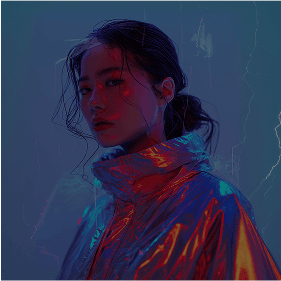
Fashion Branding Guide
The Ultimate Fashion Branding Guide: Dressing Your Vision for Success Hey there! Let’s talk fashion. It’s a world of creativity, trends, and of course, powerful brands. But have you ever stopped to think about what makes a fashion brand truly stick? It’s not just about the clothes; it’s about the entire experience, the story, the
Table of contents
- The Ultimate Fashion Branding Guide: Dressing Your Vision for Success
- Understanding the Fabric of Fashion Branding
- The Core Pillars of Your Fashion Brand Identity
- Crafting Your Visual Identity: The Look That Speaks Volumes
- Logo: The Signature of Your Brand
- Color Palette: The Emotional Language
- Typography: The Voice of Your Words
- Imagery & Photography Style: The Visual Narrative
- Brand Assets: The Toolkit for Consistency
- Crafting Your Verbal Identity: The Words That Connect
- Brand Voice & Tone: How You Speak
- Messaging Pillars: What You Talk About
- Building the Brand Experience: From Online to Offline
- Website & E-commerce: Your Digital Flagship Store
- Social Media Presence: Where Community is Built
- Packaging: The Unboxing Moment
- Customer Service: The Human Touch
- Physical Retail (if applicable): Immersive Environments
- Leveraging Digital Tools for Fashion Branding Success
- Digital Asset Management (DAM): The Centralized Hub
- Content Creation Tools: Bringing Your Vision to Life
- AI in Branding: A Creative Partner
- Maintaining Brand Integrity: The Long Game
- Consistency is King (or Queen!):
- Adaptability with Authenticity:
- Listen and Evolve:
- The Ultimate Advantage: Branding for Growth
The Ultimate Fashion Branding Guide: Dressing Your Vision for Success
Hey there! Let’s talk fashion. It’s a world of creativity, trends, and of course, powerful brands. But have you ever stopped to think about what makes a fashion brand truly stick? It’s not just about the clothes; it’s about the entire experience, the story, the feeling you get when you interact with it. That, my friends, is the magic of fashion branding.
Think about iconic fashion houses – Chanel, Gucci, Nike. They’re more than just labels; they’re cultural forces. They’ve built empires not just on exquisite craftsmanship, but on meticulously crafted brand identities that resonate deeply with their audiences. And you, whether you’re a burgeoning designer, a boutique owner, or a seasoned fashion entrepreneur, can tap into that same power. This guide is your backstage pass to understanding and mastering fashion branding, from the foundational elements to the cutting-edge strategies.
At Brandkity, we see firsthand how crucial a strong brand is across all industries, and fashion is no exception. It’s the thread that weaves your entire business together, ensuring consistency, recognition, and ultimately, loyalty. So, grab a coffee (or a glass of bubbly, we won’t judge!), and let’s dive into how you can dress your fashion vision for ultimate success.
Understanding the Fabric of Fashion Branding
Before we start stitching things together, it’s vital to understand what fashion branding actually entails. It’s not just a pretty logo or a catchy slogan. It’s the sum total of how your brand looks, feels, and communicates. It’s the emotional connection you forge with your customers. It’s about telling a compelling story that your audience wants to be a part of.
Imagine a new designer launching a line of sustainable, ethically-sourced activewear. Their brand isn’t just about the leggings; it’s about a commitment to the planet, to fair labor, and to empowering people to feel good in their own skin while doing good for the world. This entire narrative – the materials, the production process, the imagery, the messaging – is their brand. Without this cohesive story, they’re just another activewear company. With it, they carve out a unique space and attract a loyal following.
This holistic approach is why having a clear brand kit is non-negotiable. It’s your brand’s blueprint, containing all the essential elements that define its visual and verbal identity.
The Core Pillars of Your Fashion Brand Identity
Every strong fashion brand is built on a foundation of key elements. These are the building blocks that, when thoughtfully designed and consistently applied, create a recognizable and desirable brand presence.
- Brand Vision & Mission: What is the overarching purpose of your brand? What problem are you solving? What future do you want to create? This is your “why.” For example, a brand focused on empowering women through power dressing might have a mission to “redefine professional attire to inspire confidence and leadership in every woman.”
- Target Audience: Who are you designing for? Understanding your ideal customer – their demographics, psychographics, lifestyle, aspirations, and pain points – is crucial. Are you targeting Gen Z eco-conscious consumers, luxury seekers, or practical, budget-savvy shoppers? Every decision, from design to marketing, should be made with them in mind.
- Brand Values: What principles guide your brand’s actions and decisions? These are the non-negotiables. If your brand values sustainability, this must be reflected in your materials, packaging, and operations. If it’s about exclusivity and craftsmanship, your messaging and distribution will highlight that.
- Brand Personality: If your brand were a person, how would you describe them? Are they edgy and rebellious, sophisticated and elegant, playful and whimsical, or minimalist and serene? This personality influences everything from your tone of voice in copy to the style of your photography.
- Brand Story: Every brand has a narrative. What’s yours? It could be the founder’s journey, the inspiration behind a collection, or the heritage of the brand. A compelling story makes your brand relatable and memorable. Think of how many brands leverage their origin story to connect with consumers.
Crafting Your Visual Identity: The Look That Speaks Volumes
In fashion, visuals are paramount. Your brand’s aesthetic is often the first point of contact and can evoke an immediate emotional response. This is where many of the tangible brand assets come into play.
Logo: The Signature of Your Brand
Your logo is the face of your brand. It needs to be memorable, versatile, and representative of your brand’s personality. For fashion, logos can range from elegant wordmarks (like Chanel’s interlocking Cs) to abstract symbols or even illustrative designs.
Key Considerations for Fashion Logos:
- Simplicity: A clean logo is easier to recognize and reproduce across various applications, from a tiny tag on a garment to a large billboard.
- Memorability: Does it stand out? Is it easy to recall?
- Versatility: It should work in black and white, in small sizes, and on different backgrounds.
- Timelessness: While trends change, a strong logo should have longevity.
If you’re just starting and need to explore logo options, exploring best AI logo generators can be a great way to brainstorm initial concepts and see what resonates with your brand’s intended aesthetic.
Color Palette: The Emotional Language
Colors evoke emotions and set the mood. A luxury brand might opt for deep jewel tones, metallics, and classic black or white, conveying sophistication and exclusivity. A youthful, streetwear brand might use vibrant, bold colors to express energy and rebellion. Your palette should be consistent across all your touchpoints.
Think about how Tiffany & Co. uses its signature robin’s egg blue. It’s instantly recognizable and associated with luxury, elegance, and desire. That’s the power of a well-chosen and consistently applied color palette.
Typography: The Voice of Your Words
The fonts you choose communicate personality. Serif fonts often convey tradition, elegance, and trust (think classic haute couture). Sans-serif fonts can feel modern, clean, and approachable (common in contemporary fashion and activewear). Script fonts can add a touch of romance or sophistication.
Your brand should have a defined set of fonts for headings, body text, and other applications. This ensures readability and reinforces your brand’s visual style. Consistency here is key – imagine seeing a brand use a different font for its website headlines every week. It would feel chaotic, right?
Imagery & Photography Style: The Visual Narrative
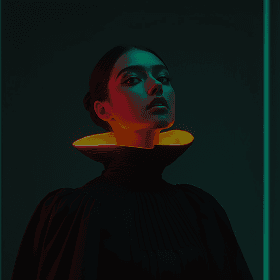
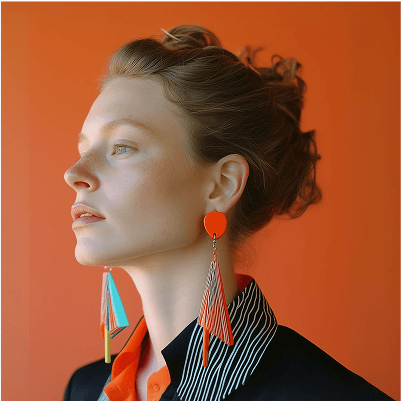
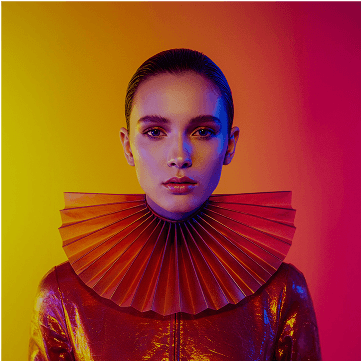
This is where your brand story truly comes to life. The style of photography – be it editorial, lifestyle, minimalist, or gritty – speaks volumes about your brand. Are your models posed in dramatic, artful shots, or are they captured in candid, everyday moments? What’s the lighting like? What’s the overall mood?
Brands like Glossier have built a massive following on their relatable, often user-generated-style photography that feels authentic and aspirational. On the other hand, a brand like Balenciaga might opt for more avant-garde, often surreal imagery that pushes creative boundaries and reflects their artistic direction.
Consider how you’ll use imagery across your website, social media, lookbooks, and advertising. Each piece of visual content should feel like it belongs to the same brand universe.
Brand Assets: The Toolkit for Consistency
Beyond the core visual identity, you’ll need a collection of brand assets. This includes everything from your logo variations and brand color codes to font files, photography, video clips, and graphic templates. Managing these assets efficiently is where a robust system becomes invaluable. Having a centralized place to store, organize, and share these assets ensures everyone on your team (and external partners) is using the correct, up-to-date versions. This prevents off-brand materials from ever seeing the light of day.
For fashion brands, this often includes high-resolution product shots, lifestyle imagery, campaign visuals, and even video content showcasing collections or behind-the-scenes glimpses. A good creative asset management software can be a game-changer here.
Crafting Your Verbal Identity: The Words That Connect
While visuals grab attention, words build connection and convey meaning. Your brand’s voice and messaging are just as critical as its aesthetic.
Brand Voice & Tone: How You Speak
Your brand voice is your consistent personality in written communication, while your tone is the variation of that voice depending on the context. Are you witty and informal? Authoritative and sophisticated? Empathetic and encouraging?
For example, a fast-fashion brand might use a playful, trendy, and energetic voice on social media, encouraging immediate purchases. A heritage luxury brand, however, would likely adopt a more refined, elegant, and perhaps even slightly exclusive tone when describing their products or brand story.
This voice should permeate all your communications: website copy, social media captions, email newsletters, product descriptions, and customer service interactions.
Messaging Pillars: What You Talk About
What are the core themes and messages you want to communicate consistently? These are your messaging pillars. For a sustainable fashion brand, these might include:
- Commitment to eco-friendly materials
- Ethical manufacturing practices
- Durability and longevity of products
- Empowering conscious consumerism
For a brand focused on streetwear, pillars could be:
- Urban culture and art influences
- Self-expression and individuality
- Community and collaboration
- Street style trends
Identifying these pillars ensures that your marketing efforts, content creation, and overall communication strategy are aligned and reinforce your brand’s core identity. This aligns with developing a solid brand communication strategy.
Building the Brand Experience: From Online to Offline
Branding isn’t just about what you say or show; it’s about every single interaction a customer has with your brand. This is the holistic brand experience.
Website & E-commerce: Your Digital Flagship Store
Your website is often the first and most significant digital touchpoint. It needs to be visually stunning, easy to navigate, and perfectly reflect your brand’s aesthetic and personality. Product photography, descriptions, user experience, and the checkout process all contribute to the brand experience.
Consider the user journey. Is it seamless and enjoyable? Does the website load quickly? Is it mobile-friendly? A clunky or off-brand website experience can quickly alienate potential customers.
Social Media Presence: Where Community is Built
Social media is not just for showcasing products; it’s for building a community. Your content strategy should be authentic, engaging, and consistent with your brand voice and visual identity. This is where you can tell your story, interact with your audience, and foster loyalty.
Are you sharing behind-the-scenes looks at your design process? Featuring user-generated content? Running polls to get feedback? Engaging in conversations? These actions help increase brand engagement with customers and employees alike.
Packaging: The Unboxing Moment
The unboxing experience is a powerful moment of truth for any fashion brand, especially online. Thoughtful, on-brand packaging elevates the perceived value of your products and leaves a lasting positive impression. This could be anything from recycled, minimalist packaging for an eco-brand to luxurious boxes with tissue paper and ribbons for a high-end label.
It’s a tangible extension of your brand, and it’s a key differentiator. Think about the excitement of receiving a package that feels special before you even open it. That’s great branding in action.
Customer Service: The Human Touch
How your brand treats its customers is a critical part of its identity. Excellent customer service – whether through email, chat, or in-person interactions – reinforces your brand values and builds trust and loyalty. Conversely, poor customer service can quickly damage a brand’s reputation.
If your brand promises exceptional quality and personalized service, your customer interactions must reflect that promise. This is a direct contributor to building brand loyalty.
Physical Retail (if applicable): Immersive Environments
For brands with brick-and-mortar stores, the physical space is an extension of the brand. The store design, music, lighting, staff interactions, and even the scent contribute to the overall experience. Think of the curated atmosphere in a flagship store – it’s designed to immerse you in the brand’s world.
Leveraging Digital Tools for Fashion Branding Success
In today’s digital landscape, the right tools can make a significant difference in building and maintaining a strong fashion brand.
Digital Asset Management (DAM): The Centralized Hub
As your brand grows, so does your collection of assets – logos, product shots, campaign imagery, videos, marketing collateral. Keeping track of all these files, ensuring everyone uses the correct versions, and making them easily accessible is a major challenge. This is where a digital asset management system shines. It acts as a single source of truth for all your brand assets, streamlining workflows, preventing misuse, and ensuring brand consistency across all channels. This is particularly important for fashion brands with vast libraries of high-resolution imagery and video content.
The evolution of DAM is also fascinating, with AI impacting digital asset management by automating tagging, categorizing, and even suggesting relevant assets, making the process even more efficient.
Content Creation Tools: Bringing Your Vision to Life
From graphic design software to video editing suites, having the right tools for content creation is essential. Whether you’re designing social media graphics, editing campaign videos, or creating website banners, these tools empower you to produce high-quality, on-brand visuals.
For video, exploring best video editing tools can help you create compelling lookbooks, behind-the-scenes content, or product showcases that capture the essence of your brand.
AI in Branding: A Creative Partner
Artificial intelligence is increasingly playing a role in branding, from generating logo concepts and suggesting color palettes to analyzing customer data for more targeted messaging. While creativity remains a human endeavor, AI can serve as a powerful assistant, speeding up processes and offering new perspectives.
Maintaining Brand Integrity: The Long Game
Branding isn’t a one-time project; it’s an ongoing commitment. To ensure your fashion brand thrives, you need to actively maintain its integrity.
Consistency is King (or Queen!):
This is the golden rule. Every touchpoint, every piece of communication, every visual element should align with your established brand guidelines. Inconsistency erodes trust and dilutes your brand’s impact. Whether it’s a social media post or a press release, it must feel like it came from your brand.
Adaptability with Authenticity:
The fashion industry is dynamic. Trends change, consumer preferences evolve, and new technologies emerge. Your brand needs to be adaptable, but this adaptation must always be rooted in your core brand values and identity. Don’t chase every fleeting trend if it doesn’t align with who you are. Authenticity is key to long-term success. Brands that demonstrate brand authenticity examples often build deeper, more resilient connections with their audience.
Listen and Evolve:
Pay attention to customer feedback, market shifts, and industry trends. Use this information to refine your brand strategy and offerings. This doesn’t mean drastically changing your identity overnight, but rather making informed adjustments that keep your brand relevant and resonating with your audience.
The Ultimate Advantage: Branding for Growth
At its core, effective fashion branding is a powerful engine for business growth. It differentiates you in a crowded market, attracts your ideal customers, fosters loyalty, and can even command premium pricing. A well-defined brand allows you to stand out, build recognition, and create lasting value.
Investing in your brand isn’t just about aesthetics; it’s a strategic business decision that yields significant returns. It’s about building a legacy, a connection, and a community around your vision.
So, as you embark on or continue your fashion journey, remember that your brand is your most valuable asset. Nurture it, protect it, and let it guide every decision you make. By weaving together a compelling vision, a distinct visual identity, a resonant voice, and an unforgettable experience, you can create a fashion brand that not only survives but thrives, leaving an indelible mark on the industry and the hearts of your customers.
Saurabh Kumar
Founder, BrandKity
Saurabh writes about practical brand systems, faster client handoffs, and scalable workflows for designers and agencies building repeatable delivery operations.
Connect on LinkedIn