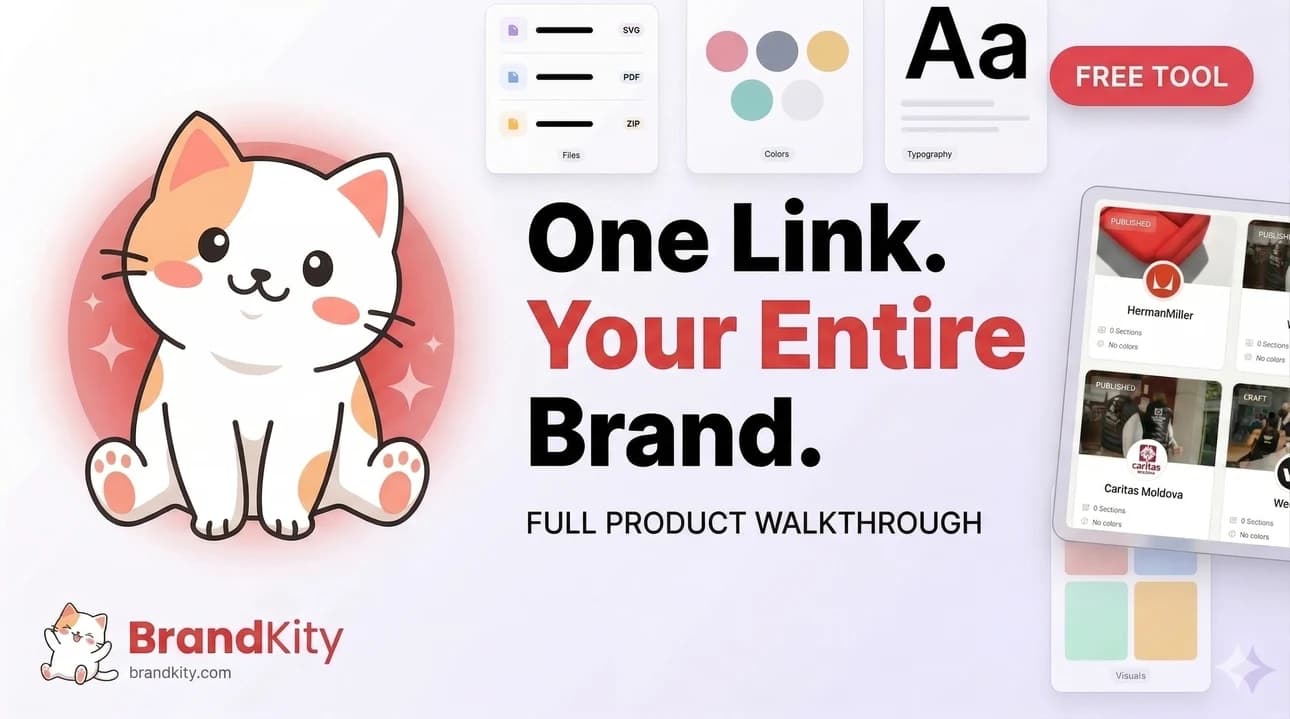
Free Brand Management Tools
Free Brand Management Tools: Are They Enough for Your Growing Business? Hey there! Let’s talk about something super important to any business, big or small: brand management. You know, keeping all your logos, colors, fonts, and messaging consistent so that everyone, everywhere, sees your brand the way you want them to. It’s the glue that

Table of contents
- Free Brand Management Tools: Are They Enough for Your Growing Business?
- The Appeal of “Free”: What You Can Get Without Spending a Dime
- 1. Cloud Storage Services: The Digital Filing Cabinet
- 2. Free Design & Editing Software: Getting Creative on a Budget
- 3. Free Project Management & Communication Tools: Keeping Everyone Aligned
- 4. Free Online Resource Hubs: Learning and Inspiration
- The “Free” Ceiling: Where Limitations Start to Pinch
- 1. Limited Storage and File Size
- 2. Lack of Advanced Organization and Search Capabilities
- 3. Limited Collaboration and Access Control
- 4. Basic or Non-existent Brand Guidelines Features
- 5. No Automation or Workflow Capabilities
- 6. Scalability Issues
- When Free Tools Start Costing You More
- 1. The “Time is Money” Equation: Inefficiency Costs
- 2. Brand Inconsistency is Brand Erosion
- 3. Missed Opportunities for Growth and Innovation
- 4. The Hidden Costs of “Free” Upgrades
- When to Consider Stepping Up from Free
- 1. Your Team is Growing
- 2. You’re Experiencing Bottlenecks in Asset Requests and Approvals
- 3. Brand Inconsistencies are Becoming Noticeable
- 4. You’re Struggling to Find Assets Quickly
- 5. You Need Better Control Over Who Sees and Uses What
Free Brand Management Tools: Are They Enough for Your Growing Business?
Hey there! Let’s talk about something super important to any business, big or small: brand management. You know, keeping all your logos, colors, fonts, and messaging consistent so that everyone, everywhere, sees your brand the way you want them to. It’s the glue that holds your reputation together.
Now, I get it. When you’re starting out, or even when you’re trying to trim expenses, the word “free” is like a siren song. And thankfully, there are a ton of free tools out there that can help you wrangle your brand assets to some extent. We’re talking about document storage, basic design editors, and maybe even some simple project management. These can be lifesavers when every penny counts. Think of them as your initial toolkit – useful for getting the job done when you’re just getting your feet wet.
But here’s the thing, and I want to be upfront about it: while free tools are fantastic for bootstrapping, they often come with limitations that can, ironically, cost you time, efficiency, and even brand integrity as you scale. It’s a bit like trying to build a skyscraper with a hammer and nails. You can get a shed up, no problem, but a skyscraper? That requires specialized equipment.
So, today, we’re going to dive deep into the world of free brand management tools. We’ll explore what they can do, where they shine, and crucially, where they might start to feel a little… well, free. My goal is to give you a clear picture so you can make the best decision for your brand’s journey, whether you’re just starting out or looking to optimize your existing processes. Let’s get into it!
The Appeal of “Free”: What You Can Get Without Spending a Dime
It’s no surprise that businesses are always on the lookout for cost-effective solutions. When you’re running lean, or perhaps in a hyper-competitive market where every dollar is scrutinized, the idea of getting something for nothing is incredibly attractive. And for brand management, there are indeed several categories of “free” tools that can offer a helping hand.
1. Cloud Storage Services: The Digital Filing Cabinet
This is probably the most common starting point. Think of services where you can upload, store, and share files. They’re great for keeping your logos, images, and documents in one place, accessible from anywhere.
- What they offer: Basic file storage, organization through folders, sharing capabilities with links, and sometimes version history.
- How they help brand management: You can create folders for different asset types (logos, photos, presentations), and share them with team members or external partners. It’s a step up from emailing files back and forth endlessly.
- Real-world example: Imagine a small startup launching its first product. They can create a “Brand Assets” folder in a free cloud storage account and upload their logo files (EPS, PNG, JPG), color codes, and maybe a simple PDF with basic brand guidelines. The marketing intern can then easily access these files to create social media posts.
2. Free Design & Editing Software: Getting Creative on a Budget
When you need to create or tweak a visual asset, free design tools can be incredibly powerful. These often offer a surprising range of features that were once only available in expensive professional software.
- What they offer: Tools for creating graphics, editing photos, designing simple layouts, and even some basic video editing. Many offer templates to get you started quickly.
- How they help brand management: You can use these to create social media graphics, resize logos for different platforms, or make quick edits to photos. If a designer isn’t on staff or available, these can bridge the gap.
- Real-world example: A local bakery wants to promote a new seasonal special on Instagram. They can use a free online design tool to quickly create an eye-catching graphic using their existing logo, brand colors, and a photo of the new pastry. The tool might even have pre-sized templates for Instagram posts.
3. Free Project Management & Communication Tools: Keeping Everyone Aligned
Brand consistency isn’t just about having the right files; it’s also about how your team collaborates. Free tools for task management and communication can help keep everyone on the same page.
- What they offer: Task assignment, to-do lists, team chat, basic scheduling, and progress tracking.
- How they help brand management: You can use these to assign tasks related to brand collateral creation, track deadlines for marketing campaigns, or facilitate quick discussions about brand messaging.
- Real-world example: A small non-profit organization is planning a fundraising event. They can use a free project management tool to create tasks like “Design event flyer,” “Write press release,” and “Schedule social media posts.” Team members can comment on tasks, upload relevant files, and mark tasks as complete.
4. Free Online Resource Hubs: Learning and Inspiration
While not “tools” in the traditional sense, free online resources like blogs, forums, and even some basic template sites can be invaluable for learning about brand best practices and finding inspiration.
- What they offer: Articles, guides, community discussions, and examples of successful branding.
- How they help brand management: These resources can help you understand fundamental concepts of building a strong corporate identity, learn about current branding trends, and discover best practices for applying your brand elements consistently.
These free options are undeniably useful. They provide a foundation, a starting point for managing your brand assets and processes without an upfront financial investment. They’re excellent for individuals, solopreneurs, or very small teams with straightforward needs.
The “Free” Ceiling: Where Limitations Start to Pinch
So, we’ve established that free tools can get you pretty far. But, as the saying goes, you often get what you pay for. While these tools are generous in what they offer for free, there are inherent limitations that become more apparent as your brand grows, your team expands, and your projects become more complex. Let’s break down where the “free” might start to feel like a constraint.
1. Limited Storage and File Size
This is a big one. Free cloud storage plans usually come with strict limits on how much data you can store. Brand assets, especially high-resolution images, videos, and design files, can take up a lot of space very quickly. Hitting these limits means either paying for upgrades or, worse, having to delete older, potentially valuable assets. This can lead to disorganization and difficulty finding what you need.
- Analogy: Imagine your brand assets are like books in a library. A free cloud storage plan is like a small bookshelf. It’s great for a few favorite books, but as your collection grows, you’ll quickly run out of space. You’ll have to start deciding which books to “donate” or store elsewhere, making it harder to find specific titles when you need them.
- Impact: Difficulty storing all your approved brand materials. Risk of using outdated or incorrect versions because newer ones couldn’t be uploaded.
2. Lack of Advanced Organization and Search Capabilities
While you can create folders, free storage services often lack sophisticated ways to tag, categorize, and search your assets. Finding a specific logo variation, a particular product image from a past campaign, or a specific brand guideline document can become a time-consuming treasure hunt. This inefficiency eats into productive time.
- Real-world example: A marketing team needs to find the approved logo for a specific regional campaign that ran two years ago. They have hundreds of logo files in various folders. They scroll through, trying to remember naming conventions, opening multiple files to check, and it takes them 20 minutes. A more advanced system would allow them to filter by campaign, date, or asset type in seconds.
- Impact: Wasted time searching for assets. Increased risk of using the wrong asset. Frustration for team members.
3. Limited Collaboration and Access Control
Free tools often have basic sharing features, but they typically lack granular control over who can see, download, edit, or share specific assets. This can be a security risk and a compliance nightmare, especially in larger organizations or when working with external agencies. You might not be able to control if someone accidentally deletes a critical brand file or downloads a version that’s no longer approved.
- Analogy: Think of it like a shared Google Doc versus a secure digital vault. With the Doc, everyone can edit, and you can see the edit history, but it’s hard to restrict who can delete paragraphs or change the entire document. A secure vault has specific keys for specific compartments, ensuring only authorized people access sensitive items.
- Impact: Inconsistent brand application due to unauthorized edits or use of incorrect assets. Security concerns about sensitive brand collateral.
4. Basic or Non-existent Brand Guidelines Features
Many free tools are file repositories, not dedicated brand management platforms. This means they don’t typically offer a centralized, interactive way to present and enforce brand guidelines. While you can upload a PDF, it’s static. It doesn’t provide quick access to color codes, font pairings, or clear examples of do’s and don’ts in an easily digestible format.
- Impact: Inconsistent brand messaging and visual application across different teams and projects. Higher likelihood of brand misrepresentation. This directly hinders your efforts to build strong corporate identity.
5. No Automation or Workflow Capabilities
As your brand grows, so does the volume of requests for assets and approvals. Free tools generally don’t offer automation for tasks like routing approvals, transforming file formats, or generating usage reports. This means manual processes, which are time-consuming, prone to errors, and can create bottlenecks.
- Analogy: Imagine a busy restaurant kitchen. Free tools are like having chefs do everything manually – chopping vegetables one by one, stirring every pot by hand. It works for a small lunch service, but for a full dinner rush, you need automated slicers, industrial mixers, and a streamlined workflow to handle the volume efficiently.
- Impact: Slow turnaround times for asset requests. Increased workload for brand managers or design teams. Potential for mistakes in manual processes. This is where understanding “Workflow Tools For Designers” becomes crucial, as even those often integrate with larger systems.
6. Scalability Issues
What works for a team of three might not work for a team of thirty, or a hundred. Free tools are often not built with scalability in mind. As your user base grows, or your asset library explodes, you’ll find yourself hitting performance limits or needing to migrate to a paid solution anyway, often under pressure.
- Impact: The tool that was once helpful becomes a hinderance as the business grows, forcing a rushed and potentially costly migration.
It’s like trying to fit a growing family into a studio apartment. It might have worked initially, but eventually, you’ll need more space and better organization to live comfortably and efficiently.
When Free Tools Start Costing You More
It might sound counterintuitive, but relying solely on free brand management tools can actually end up costing your business more in the long run. How? Through a combination of lost productivity, compromised brand integrity, and missed opportunities.
1. The “Time is Money” Equation: Inefficiency Costs
Every minute spent searching for a file, waiting for an approval that never came, or correcting a brand misapplication is a minute that could have been spent on revenue-generating activities. Free tools, with their often clunky interfaces and lack of automation, are prime culprits for this time drain. Imagine your star designer spending an hour a week just digging for the right logo version. That’s an hour they’re not designing!
- Mini Case Study: A medium-sized e-commerce company was using a shared drive for all their brand assets. When a new product launch needed updated marketing materials, the marketing manager spent half a day sifting through thousands of files to find the correct product images and logos. This delay pushed back the campaign launch by two days, resulting in an estimated loss of $15,000 in pre-order revenue.
2. Brand Inconsistency is Brand Erosion
Your brand is your promise to your customers. When that promise is delivered inconsistently – different logos on different materials, off-brand colors in a presentation, or confusing messaging – it erodes trust and dilutes your brand’s impact. Free tools, with their limited access controls and lack of enforced guidelines, make it far too easy for inconsistencies to creep in.
- Analogy: Think about a restaurant that consistently serves amazing food. You trust it. Now imagine if one day the food is great, the next it’s mediocre, and the next it’s completely different. You’d stop trusting that restaurant, right? Brand inconsistency is the same for customers.
- Impact: Reduced brand recognition. Confusion among your target audience. Weakened brand loyalty. This is a direct threat to your Brand Development Strategy For Growth.
3. Missed Opportunities for Growth and Innovation
When your team is bogged down by inefficient processes and struggling to maintain brand consistency, they have less bandwidth for strategic thinking and innovation. You can’t focus on developing a cutting-edge brand marketing guide or exploring new markets if you’re constantly fighting fires related to asset management. This can mean falling behind competitors and missing out on crucial growth opportunities.
- Mini Case Study: A tech startup was experiencing rapid growth. Their initial free tools for asset management, while functional, were creating bottlenecks. The design team was overwhelmed with ad-hoc requests, and the marketing team struggled to get materials approved in time for important industry events. They missed a key opportunity to showcase their new product at a major conference because their launch materials weren’t ready.
- Impact: Slower time-to-market for campaigns. Reduced ability to respond to market changes. Stifled creativity and strategic initiatives.
4. The Hidden Costs of “Free” Upgrades
As mentioned, free tiers have limits. When you inevitably hit them, you’ll need to upgrade. Often, these upgrades are priced per user or per storage increment. If you’ve been using multiple disparate free tools, you might find yourself piecing together a solution that becomes more expensive and complex than a single, integrated paid platform designed for brand management. It’s like buying individual components for a high-end computer when you could have bought a pre-built, optimized system for a similar total cost.
So, while the upfront cost of free tools is zero, the ongoing cost in terms of time, potential brand damage, and lost opportunities can be substantial.
When to Consider Stepping Up from Free
The decision to move beyond free tools isn’t about abandoning them entirely; it’s about recognizing when your brand’s needs have outgrown their capabilities. Here are some key indicators that it might be time to explore more robust solutions:
1. Your Team is Growing
As you add more people to your marketing, design, sales, or even customer support teams, managing who has access to what, and ensuring everyone uses the correct assets, becomes exponentially harder with basic tools. A growing team signals a need for better collaboration and access control.
- Think about it: If you have more than 5-10 people regularly accessing and using brand assets, the potential for errors and inconsistencies rises dramatically.
2. You’re Experiencing Bottlenecks in Asset Requests and Approvals
Are your designers constantly bombarded with requests? Is the approval process for new marketing materials a lengthy, manual back-and-forth? If your current system is slowing down your go-to-market speed, it’s a clear sign that automation and streamlined workflows are needed. This is where understanding “Best Automated Branding Solutions” can be a game-changer.
- Example: A sales team needs a specific presentation deck with updated product information. Currently, they email marketing, marketing emails design, design creates it, sends it back to marketing for review, then to sales. This can take days. A dedicated system could allow sales to request a template, fill in some data, and have it automatically routed for a quick sign-off, or even generate it with pre-approved content.
3. Brand Inconsistencies are Becoming Noticeable
If you’re seeing logos used incorrectly, colors that are slightly off, or messaging that doesn’t quite align across different platforms or materials, your brand is suffering. This is a critical indicator that your current tools aren’t effectively enforcing your brand guidelines.
- Mini Case Study: A hospitality chain noticed that different hotel locations were using slightly varied versions of their logo on local websites and signage, and their social media tone was inconsistent. This diluted their premium brand image. They invested in a system that centralized all approved assets and provided clear, accessible guidelines, leading to a more unified and professional brand presence. This is a core part of how to “Build Strong Corporate Identity.”
4. You’re Struggling to Find Assets Quickly
If your team spends a significant amount of time searching for files, it’s a major productivity killer. Advanced search, tagging, and categorization features are essential for efficient asset retrieval. If your current system feels like a digital landfill, it’s time for an upgrade.
- Consider: If a quick search for “Q3 2022 product images” takes longer than 30 seconds, you’re likely losing valuable time.
5. You Need Better Control Over Who Sees and Uses What
For compliance, security, or simply ensuring brand integrity, you need to control access to your brand assets. Free tools typically offer little to no granular permission settings. If you’re worried about unauthorized access, downloads, or edits, you need a system with robust user management and permission controls.
Saurabh Kumar
Founder, BrandKity
Saurabh writes about practical brand systems, faster client handoffs, and scalable workflows for designers and agencies building repeatable delivery operations.
Connect on LinkedIn