Bynder vs BrandKity | The Ultimate DAM Comparison
Looking for a Bynder alternative? Discover how BrandKity offers a simpler, agency-friendly way to share brand assets without the enterprise DAM complexity.
Table of contents
- What is Bynder and who is it built for?
- What is BrandKity and why is it a great alternative?
- How do Bynder and BrandKity compare on core features?
- Why do agencies and freelancers switch from Bynder to BrandKity?
- 1. The long sales cycle vs. instant self-serve
- 2. Overwhelming complexity vs. simplified delivery
- 3. Enterprise pricing vs. agency-friendly plans
- Which brand asset management tool should you choose?
Are you looking for the best way to manage and deliver your brand assets? If you are researching digital asset management, you have likely come across Bynder. It is one of the most recognizable names in the enterprise software space. However, many designers, creative agencies, and growing brands are actively searching for a lightweight, faster Bynder alternative.
In this deep-dive comparison, we will explore exactly how Bynder stacks up against BrandKity, helping you decide which platform is the right home for your brand identity.
What is Bynder and who is it built for?
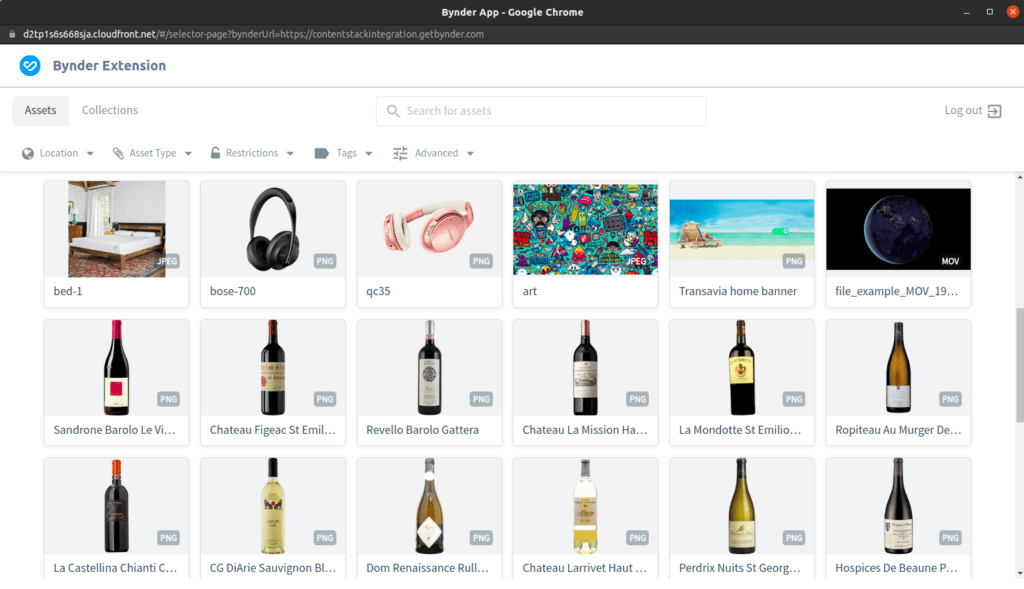
Bynder is an enterprise-grade Digital Asset Management (DAM) system. It is built for massive, global organizations that need to store hundreds of thousands of files across deeply complex departmental structures.
Bynder excels at heavy-duty file management. It offers advanced AI tagging, digital rights management (DRM), complex approval workflows, and version control. If you are a Fortune 500 company managing global marketing campaigns with hundreds of internal stakeholders and strict legal compliance requirements, a traditional Digital Asset Management platform like Bynder is highly effective.
However, this enterprise focus comes at a cost. Bynder requires a dedicated onboarding team, weeks or months of setup, and custom pricing contracts that lock you in.
What is BrandKity and why is it a great alternative?
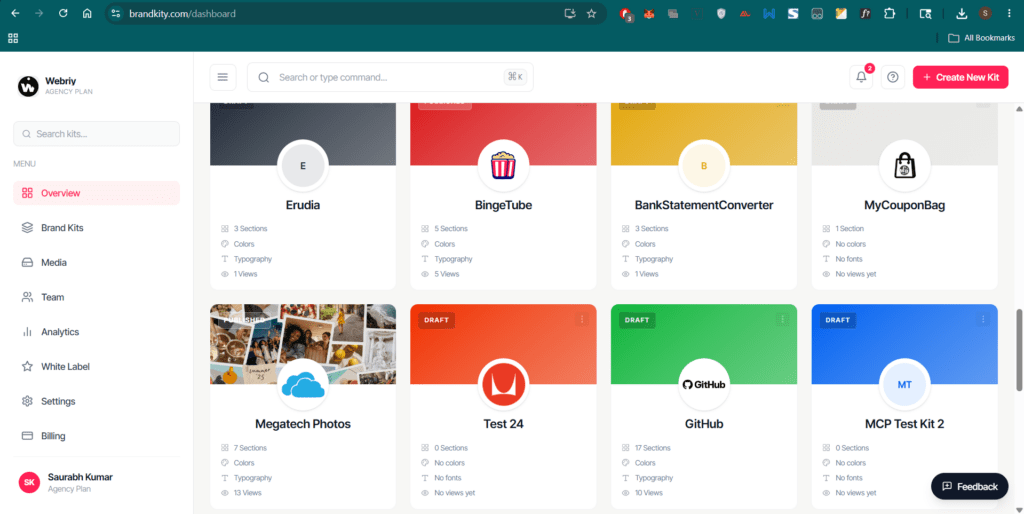
BrandKity is a modern SaaS BrandKit platform designed specifically for creators, freelance designers, and creative agencies. Instead of functioning as a heavy storage locker, BrandKity focuses on presentation and delivery.
BrandKity replaces clunky PDF brand guidelines and disorganized Google Drive folders by allowing you to package logos, colors, typography, visuals, and collaterals into a single, beautiful, shareable web portal.
“One link. Your entire brand.” That is the core philosophy. You can create a new brand portal in seconds, customize it with your client’s accent color, add your assets via an intuitive block system, and send it to clients instantly. No sales calls, no training required.
How do Bynder and BrandKity compare on core features?
When comparing an enterprise DAM to an agile Brand Portal platform, the differences in structure and pricing are significant. Here is a direct feature comparison:
| Feature / Capability | Bynder | BrandKity |
| Core Product Focus | Enterprise Digital Asset Management (DAM) | Shareable Brand Portals & Client Handoff |
| Target Audience | Global Enterprises & Fortune 500s | Freelancers, Agencies & In-house Teams |
| Setup & Onboarding Time | Weeks to Months (Implementation Team) | Under 5 Minutes |
| Pricing Model | Custom Enterprise Contracts | Free Tier, Pro ($19/mo), Agency ($59/mo) |
| Self-Serve Access | No (Requires speaking to sales) | Yes (Instant signup, no credit card needed) |
| Custom Domains | Yes (Enterprise) | Yes (Available on Pro & Agency plans) |
| Visual Asset Delivery | Via shared collections and strict permissions | Instant via one shareable URL |
| Approval Workflows | Highly advanced, multi-step | Not included (Focus is purely on delivery) |
| Privacy Controls | Complex user-role management | Simple Passwords & Email OTP Allowlists |
Why do agencies and freelancers switch from Bynder to BrandKity?
While Bynder is a powerhouse for large corporations, it often creates friction for agile teams. Here are the specific pain points that drive users to seek a Bynder alternative:
1. The long sales cycle vs. instant self-serve
To use Bynder, you must request a demo, wait for a sales representative, negotiate a custom contract, and undergo guided implementation. With BrandKity, you can get started for free and publish your first client brand portal in under three minutes.
2. Overwhelming complexity vs. simplified delivery
Clients easily get lost in enterprise DAMs. They just want to copy a hex code or download a primary logo. BrandKity uses a simple, visual block system (Colors, Typography, Logos, Visuals, Collaterals) that any non-technical stakeholder can navigate immediately. If you want to see exactly what you need before building, check out our free Brand Kit Checklist tool.
3. Enterprise pricing vs. agency-friendly plans
Traditional DAMs hide their pricing and often charge thousands of dollars a month. BrandKity offers fully transparent pricing. You can manage 3 portals on the Free plan, upgrade to Pro for $19/month to get advanced analytics and 10GB of storage, or choose the Agency plan for unlimited kits and dedicated custom domains.
Which brand asset management tool should you choose?
Your choice ultimately depends on your organization’s size and workflow needs.
Choose Bynder if: You are a massive enterprise with thousands of employees, strict digital rights management needs, and you require complex AI tagging and multi-stage approval workflows before an asset can be used.
Choose BrandKity if: You are a designer or an agency that needs a fast, elegant way to hand off brand identities to clients. If you want to stop sending PDFs, eliminate version-control chaos over email, and give your clients a beautiful, password-protected custom URL, BrandKity is the winner.
Ready to streamline your brand delivery? Explore BrandKity’s features today and see why it is the perfect alternative to heavy enterprise DAMs.
Saurabh Kumar
Founder, BrandKity
Saurabh writes about practical brand systems, faster client handoffs, and scalable workflows for designers and agencies building repeatable delivery operations.
Connect on LinkedIn