Brand consistency across channels
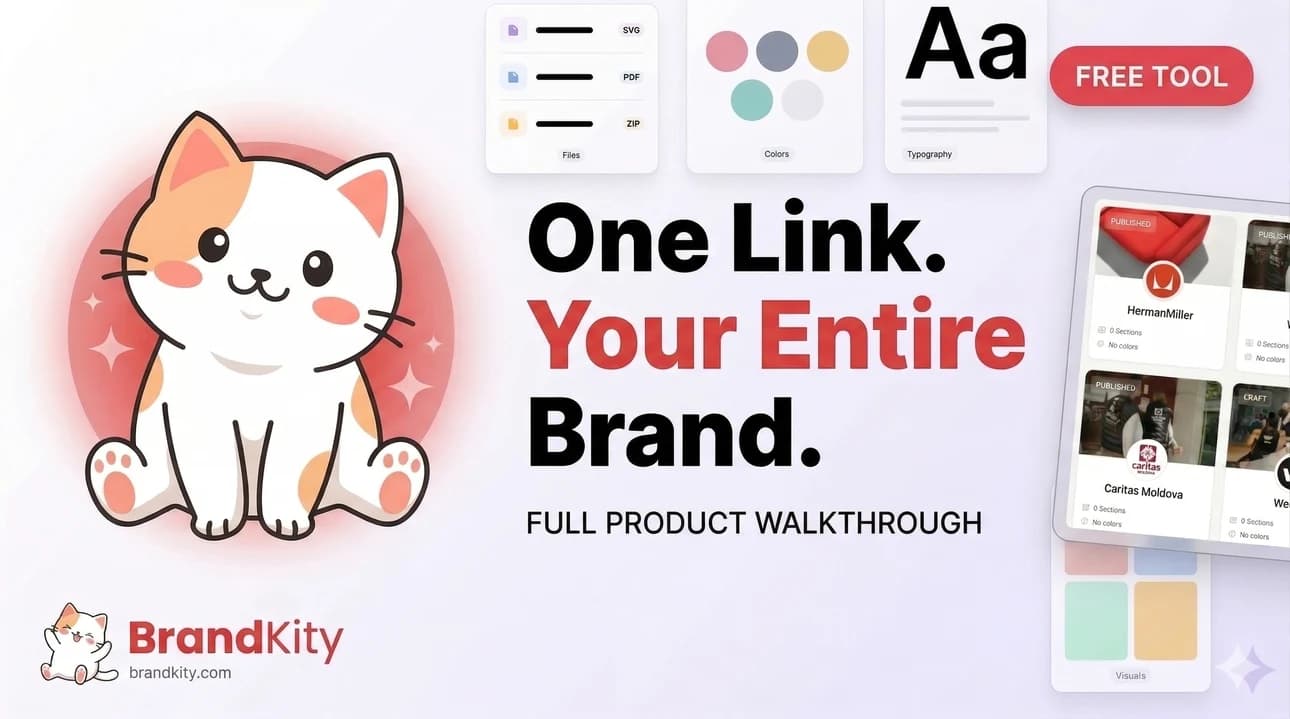
Brand consistency across channels means making sure your logo, colors, typography, imagery, and voice feel the same everywhere people encounter your brand. For BrandKity, this is a perfect topic because the product is built around keeping brand assets and guidelines in one shareable place. What is brand consistency? What is brand consistency? It is the
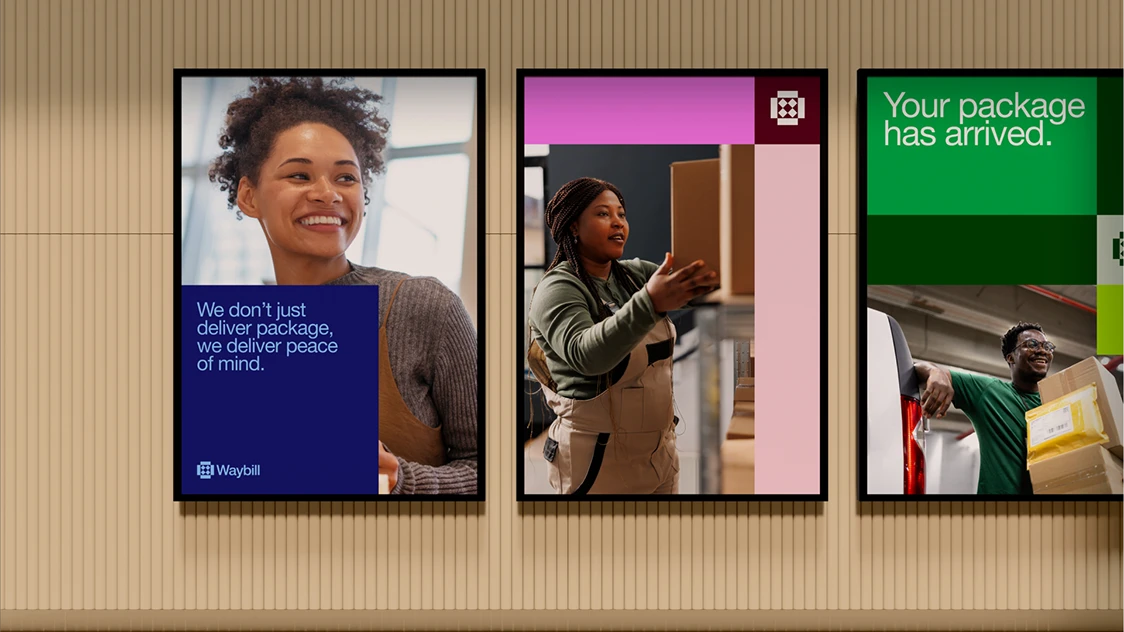
Table of contents
- What is brand consistency?
- Which channels matter most?
- What should stay the same?
- What can change by channel?
- Why does inconsistency happen?
- What are the usual mistakes?
- How do you keep consistency?
- What should be documented?
- What should be updated first?
- How does BrandKity help?
- Why is one link better?
- How should teams use it?
- What is the workflow?
- What belongs in the kit?
- What makes a kit complete?
- What should brands avoid?
Brand consistency across channels means making sure your logo, colors, typography, imagery, and voice feel the same everywhere people encounter your brand. For BrandKity, this is a perfect topic because the product is built around keeping brand assets and guidelines in one shareable place.
What is brand consistency?
What is brand consistency? It is the practice of using the same visual and verbal brand rules across your website, social media, sales decks, emails, ads, and client-facing materials.
Why does it matter? Because inconsistent branding confuses people, weakens recognition, and makes your business feel less polished.
A consistent brand makes it easier for teams, vendors, and clients to know exactly how the brand should look and sound.
Which channels matter most?
The most important channels are usually your website, social media, email, presentations, sales collateral, product docs, and partner/vendor materials.
Each channel has different formats, but the underlying brand choices should stay aligned.
That means the same logo rules, the same color palette, the same typography system, and the same tone of voice should travel from one place to another.
What should stay the same?
Your brand colors, logo versions, font choices, spacing habits, and messaging style should remain consistent wherever the brand appears.
Even when layouts change, the identity should still feel recognizable.
That consistency helps people connect the different touchpoints as one brand instead of separate experiences.
What can change by channel?
The format can change, but the identity should not.
For example, a social post may use a cropped logo or a shorter headline, while a pitch deck may use more detailed messaging and a larger layout.
The key is to adapt the presentation without changing the brand rules underneath.
Why does inconsistency happen?
Brand inconsistency often happens when different people work from different files, outdated PDFs, or old folders.
It also happens when teams do not know which asset is current, or when there is no single source of truth for fonts, logos, and colors.
That is exactly the problem BrandKity is designed to solve by keeping everything in one live portal.
What are the usual mistakes?
Common mistakes include using the wrong logo version, picking off-brand colors, mixing fonts, or rewriting the brand voice on every channel.
Another issue is version drift, where one team is using a stale PDF while another team has a newer file.
Once that happens, the brand starts to feel fragmented.
How do you keep consistency?
The simplest way to keep consistency is to create one master BrandKit and make it the reference point for every team and channel.
Put your approved logos, colors, typography, visuals, collaterals, and source files in that kit, then share the link with everyone who needs to use the brand.
When people can open the same kit, they are far less likely to improvise or use the wrong files.
What should be documented?
Document the things people actually forget: color codes, font names, logo spacing rules, image style, and tone of voice.
Add usage notes where needed so people understand when to use each asset.
If you need different versions for different contexts, explain that clearly inside the kit instead of leaving it to guesswork.
What should be updated first?
If a brand starts to drift, update the most visible touchpoints first: homepage, social profiles, proposal decks, email signatures, and downloadable assets.
Then fix the source BrandKit so future work stays aligned.
That sequence prevents you from repeatedly correcting the same mistake across multiple channels.
How does BrandKity help?
BrandKity helps because it gives designers and teams a living, browser-based BrandKit instead of a static PDF or a messy folder.
The portal can hold all the core identity elements in one organized place, and viewers can copy colors, browse assets, and download files without special software.
That makes it much easier to keep a brand consistent across channels because everyone is working from the same shared source.
Why is one link better?
One link is better because it reduces confusion, removes versioning problems, and makes handoff simpler.
Instead of emailing different files to different people, you keep one current kit and share it everywhere.
That is the practical foundation of multi-channel brand consistency.
How should teams use it?
Teams should treat the BrandKit as the rulebook for the brand, not just a storage folder.
Designers can use it to publish approved assets, marketers can use it to build campaigns, and vendors can use it to follow the right specifications.
When everyone uses the same reference, the brand feels coherent even when the content changes by channel.
What is the workflow?
A good workflow is: collect approved assets, organize them into sections, add usage notes, publish the kit, and share the link with every stakeholder.
Then, whenever a new asset is created, add it back into the same kit so the source of truth stays current.
This keeps the brand aligned over time instead of only at launch.
What belongs in the kit?
A useful BrandKit should include logos, color palettes, typography, visuals, collaterals, source files, and brand writing guidance.
For consistency across channels, it should also include notes about approved usage, layout direction, and voice.
That combination covers both the visual identity and the language identity of the brand.
What makes a kit complete?
A complete kit answers the main questions someone asks before making branded content: Which logo should I use? Which colors are approved? Which font is correct? What should the tone sound like?
If the kit answers those questions clearly, the brand becomes much easier to keep consistent.
If it leaves those questions open, each channel will drift in its own direction.
What should brands avoid?
Brands should avoid using multiple unofficial files, making changes in isolated documents, or letting each channel have its own interpretation of the identity.
They should also avoid overcomplicating the system with too many versions of the same asset.
The goal is not more files; the goal is fewer mistakes.
Saurabh Kumar
Founder, BrandKity
Saurabh writes about practical brand systems, faster client handoffs, and scalable workflows for designers and agencies building repeatable delivery operations.
Connect on LinkedIn