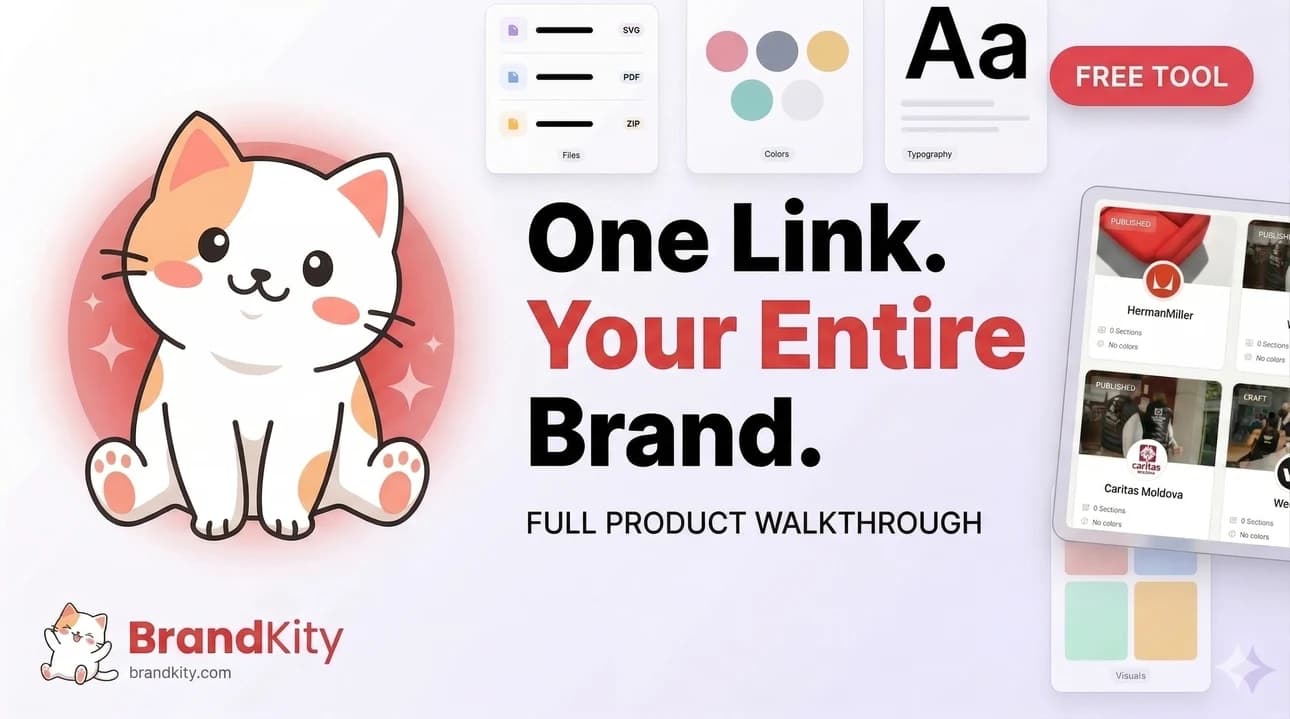
Best Client Portal Tools Branding Agencies
The Secret Weapon Every Branding Agency Needs: The Best Client Portal Tools Let’s face it, running a branding agency is a whirlwind. You’re juggling creative genius, client expectations, project timelines, and a mountain of digital assets. In the midst of all this, how do you ensure your clients feel informed, engaged, and consistently impressed with

Table of contents
- The Secret Weapon Every Branding Agency Needs: The Best Client Portal Tools
- Why a Client Portal Isn’t Just a “Nice-to-Have” Anymore
- Key Features That Make a Branding Agency’s Client Portal Shine
- 1. Intuitive User Interface & Custom Branding
- 2. Secure File Management and Version Control
- 3. Streamlined Collaboration and Feedback Loops
- 4. Project Management & Progress Tracking
- 5. Centralized Communication & Document Sharing
- 6. Reporting and Analytics (Optional but Valuable)
- Choosing the Right Tool: A Practical Approach
- Step 1: Define Your Core Needs
- Step 2: Consider Your Client Base
- Step 3: Evaluate Integration Capabilities
- Step 4: Prioritize Security and Compliance
- Step 5: Budget Wisely
- Step 6: Test Drive!
- Beyond Features: The Strategic Impact of a Great Client Portal
- Enhanced Client Satisfaction and Loyalty
- Increased Efficiency and Reduced Admin Overhead
- Stronger Brand Presentation
- Improved Internal Collaboration
- Future-Proofing Your Operations
- The Brandkity Perspective: Seamless Asset Management, Seamless Client Experience
- Making the Leap: Your Next Steps
The Secret Weapon Every Branding Agency Needs: The Best Client Portal Tools
Let’s face it, running a branding agency is a whirlwind. You’re juggling creative genius, client expectations, project timelines, and a mountain of digital assets. In the midst of all this, how do you ensure your clients feel informed, engaged, and consistently impressed with your professionalism? The answer, my friends, lies in a powerful, yet often underestimated, tool: the client portal. Think of it as your agency’s virtual handshake, your digital war room, and your ultimate brand ambassador, all rolled into one.
As experts in brand asset management and the entire branding ecosystem, we at Brandkity know firsthand the chaos that can ensue without a streamlined way to manage client interactions and deliverables. We’ve seen agencies struggle with endless email threads, lost files, and confused clients. That’s why we’re diving deep into what makes a client portal truly shine for branding agencies. It’s not just about file sharing; it’s about building trust, showcasing your expertise, and ultimately, delivering an exceptional client experience that keeps them coming back for more. So, grab a coffee, and let’s explore what makes the best client portal tools a non-negotiable for modern branding agencies.
Why a Client Portal Isn’t Just a “Nice-to-Have” Anymore
Remember the days of clunky FTP sites and endless email attachments? It feels like ancient history, doesn’t it? In today’s fast-paced digital world, clients expect seamless, intuitive experiences. They want to access what they need, when they need it, without the hassle. For a branding agency, this translates directly into how you present your work, manage feedback, and deliver final assets. A robust client portal goes far beyond a simple file-sharing service; it’s a central hub that elevates your entire service offering.
Imagine this: A new client signs on. Instead of an avalanche of welcome emails and scattered information, they receive a beautifully branded link to their dedicated portal. Inside, they can see their project overview, key milestones, a secure space for feedback, and eventually, all their finalized brand assets. This immediate sense of organization and professionalism sets a powerful tone from the outset. It demonstrates that you’re not just creative; you’re also incredibly organized and client-centric. This is a crucial part of your overall brand communication strategy, ensuring clarity and consistency at every touchpoint.
Furthermore, a well-designed portal acts as a continuous demonstration of your brand’s identity. Every interaction within the portal – from the login screen to the way files are organized – should reflect your agency’s aesthetic and values. It’s a tangible representation of the meticulous attention to detail you bring to your clients’ brands. This consistent visual language reinforces your expertise and builds confidence, which is a significant part of the branding advantage for business growth.
Key Features That Make a Branding Agency’s Client Portal Shine
So, what exactly should you be looking for in a client portal tool? It’s not a one-size-fits-all scenario. The best platforms are designed with collaboration, security, and user-friendliness at their core. Here are the essential features that will make your agency’s client portal a game-changer:
1. Intuitive User Interface & Custom Branding
This is paramount. If the portal is difficult for your clients to navigate, it defeats the purpose. Look for clean layouts, logical organization, and easy-to-understand workflows. Crucially, the portal should be highly customizable. Can you add your agency’s logo, brand colors, and fonts? This transforms a generic tool into an extension of your own brand, making every client interaction feel personalized and professional. Think of it like a beautifully designed storefront – it needs to reflect the quality of the goods inside.
2. Secure File Management and Version Control
Branding projects involve sensitive and valuable assets. Security is non-negotiable. The portal must offer robust security features, including user permissions, access controls, and encryption. Beyond security, effective file management is key. This means easy uploading and downloading, clear folder structures, and, critically, version control. How many times have you seen “logo_final_v3_really_final.ai” in an email chain? A client portal with version control ensures everyone is working with the most up-to-date files, preventing costly mistakes and endless clarification.
3. Streamlined Collaboration and Feedback Loops
This is where the magic happens. The portal should facilitate seamless collaboration. Features like commenting directly on files or images, annotation tools, and clear approval workflows are essential. Instead of wading through email chains to find feedback, clients can directly mark up designs or provide concise comments within the portal. This not only speeds up the feedback process but also creates a clear, documented history of all revisions and approvals. It’s like having a shared whiteboard for your projects, accessible anytime, anywhere.
Mini Case Study: “The Rebranding Renaissance”
A mid-sized branding agency, “Creative Spark,” was struggling with client feedback for a major rebranding project. Feedback was scattered across emails, Slack messages, and even text messages. This led to missed feedback, multiple rounds of revisions that weren’t necessary, and frustrated clients. They implemented a client portal with integrated annotation and approval features. Suddenly, clients could directly comment on mockups, highlight specific areas for change, and give a clear “approved” status. Creative Spark saw their revision rounds cut in half, and client satisfaction scores soared. The portal became the single source of truth for all feedback, saving time and reducing miscommunication.
4. Project Management & Progress Tracking
Clients want to know where their project stands. A good client portal can integrate with or offer basic project management features. This might include task lists, milestone tracking, and progress updates. Imagine a dashboard where clients can see upcoming deadlines, completed tasks, and the overall project timeline at a glance. This transparency builds trust and reduces the need for constant status update requests. It’s like giving your clients a backstage pass to their own project.
5. Centralized Communication & Document Sharing
Beyond files, clients often need access to other project-related documents – briefs, proposals, invoices, meeting notes. A client portal should serve as a central repository for all these crucial documents. Instead of digging through folders or old emails, clients can find everything they need in one organized, secure location. This also applies to communication. Some portals allow for direct messaging within the platform, keeping all project-related conversations in one place, linked directly to the relevant files or tasks.
6. Reporting and Analytics (Optional but Valuable)
For agencies that want to offer more sophisticated insights, some portals offer reporting features. This could include tracking asset usage, download statistics, or client engagement within the portal. While not essential for every agency, this can be a powerful way to demonstrate the value you’re providing and to understand how your clients are interacting with the brand assets you deliver.
Choosing the Right Tool: A Practical Approach
Navigating the world of client portal software can feel overwhelming. There are many options, each with its own strengths and weaknesses. Here’s a practical, step-by-step approach to finding the best fit for your branding agency:
Step 1: Define Your Core Needs
Before you even look at any software, sit down with your team and identify your non-negotiables. What are the biggest pain points you’re trying to solve? Is it disorganized feedback? Lost files? Clients feeling out of the loop? Rank your desired features from “absolutely essential” to “nice to have.”
Step 2: Consider Your Client Base
Who are your typical clients? Are they tech-savvy startups or more traditional corporations? This might influence how complex a system you can implement. A simpler, more intuitive interface might be better for a broader audience, while a more feature-rich platform could be ideal for clients who are already using advanced digital tools.
Step 3: Evaluate Integration Capabilities
Does the client portal need to integrate with your existing project management software, CRM, or other tools? Seamless integration can save you a lot of manual work and ensure data consistency across your systems. For instance, if you’re using a robust enterprise content collaboration platform, ensuring your client portal can connect with it is vital.
Step 4: Prioritize Security and Compliance
Depending on your clients’ industries (e.g., finance, healthcare), you might have specific security and compliance requirements. Ensure any tool you consider meets these standards. Data privacy is paramount, and a breach can be devastating for your reputation.
Step 5: Budget Wisely
Client portals come at various price points. Some are add-ons to existing platforms, while others are standalone solutions. Determine your budget and look for tools that offer the best value for your needs. Remember to factor in potential costs for setup, training, and ongoing support.
Step 6: Test Drive!
Most reputable tools offer free trials. This is your golden opportunity to get hands-on. Set up a test project, invite a few internal team members to act as clients, and go through the entire workflow. Does it feel natural? Is it easy to use? This is the best way to gauge usability and ensure it meets your practical requirements.
Analogy: Building Your Agency’s Digital Headquarters
Think of selecting a client portal tool like building your agency’s digital headquarters. You wouldn’t just pick a random plot of land and start building without a plan. You’d consider the location (ease of access for clients), the architecture (user interface), the security systems (data protection), and the amenities (collaboration features). The right client portal is your agency’s well-designed, secure, and functional digital HQ.
Beyond Features: The Strategic Impact of a Great Client Portal
Implementing a client portal is more than just adopting new software; it’s a strategic decision that can profoundly impact your agency’s operations and client relationships. Let’s explore some of the deeper benefits:
Enhanced Client Satisfaction and Loyalty
As we’ve touched upon, a seamless and professional client experience is a major driver of satisfaction. When clients feel respected, informed, and empowered through an easy-to-use portal, their overall perception of your agency improves dramatically. This leads to increased loyalty, positive testimonials, and more repeat business. Happy clients are your best advocates.
Increased Efficiency and Reduced Admin Overhead
Think about the time your team spends answering repetitive questions, searching for files, or clarifying feedback. A client portal automates many of these tasks, freeing up your team to focus on what they do best: creative work. Centralized information means less time spent searching and more time spent creating. This boost in efficiency can directly impact your profitability.
Stronger Brand Presentation
Your client portal is a direct reflection of your brand. A well-designed, branded portal reinforces your agency’s professionalism, attention to detail, and commitment to excellence. It’s a constant, subtle advertisement for your capabilities. Every interaction within the portal is an opportunity to showcase your brand identity, making it a powerful part of your overall branding advantage for business growth.
Improved Internal Collaboration
While primarily client-facing, a good portal also improves internal workflows. When all client communications, feedback, and asset approvals are logged in one place, internal teams have a clear, up-to-date overview of project status. This reduces internal miscommunication and ensures everyone is on the same page. It streamlines the process of handing off projects between designers, strategists, and account managers.
Future-Proofing Your Operations
The digital landscape is constantly evolving. Investing in a robust client portal is an investment in the future of your agency. As client expectations shift and technology advances, having a flexible and scalable platform will allow you to adapt and continue providing top-tier service. Tools that leverage AI, for instance, are increasingly impacting how we manage assets, as discussed in the impact of AI in digital asset management, and a good portal should be adaptable to such innovations.
The Brandkity Perspective: Seamless Asset Management, Seamless Client Experience
At Brandkity, we understand that a client portal is intrinsically linked to effective brand asset management. You can have the most beautiful portal in the world, but if you can’t easily store, organize, and retrieve the assets you need to share, it falls short. Our platform is built with this synergy in mind. We focus on creating a robust digital asset management system that seamlessly integrates with client-facing solutions, ensuring that the assets you deliver are always on-brand, up-to-date, and easily accessible.
Imagine a world where your entire library of brand assets – logos, imagery, templates, brand guidelines – is perfectly organized within a system that allows for granular control and easy retrieval. When it’s time to share these with clients, your client portal acts as the elegant, branded gateway. This unified approach ensures consistency, prevents the dreaded “shadow tools” scenario where content is created outside of your controlled environment (Shadow Tools Franchise Content Creation), and ultimately, empowers your clients with the tools they need to succeed with their brand.
We believe that the best client portal tools are those that are part of a larger, integrated ecosystem for managing and distributing brand assets. It’s about more than just sharing files; it’s about empowering your clients with a curated and controlled experience of your brand and their own.
Making the Leap: Your Next Steps
The evidence is clear: a well-chosen client portal tool is no longer a luxury for branding agencies; it’s a necessity. It’s the backbone of efficient operations, exceptional client service, and a strong, professional brand image. By investing in the right technology, you’re not just buying software; you’re investing in streamlined workflows, happier clients, and the continued growth and success of your agency.
Don’t let scattered files and endless email chains hold your agency back. Take the time to assess your needs, explore your options, and make an informed decision. The perfect client portal is out there, waiting to become your agency’s secret weapon. Embrace the power of organization, collaboration, and a truly professional client experience. Your future self, and your clients, will thank you.
Saurabh Kumar
Founder, BrandKity
Saurabh writes about practical brand systems, faster client handoffs, and scalable workflows for designers and agencies building repeatable delivery operations.
Connect on LinkedIn