10 Proven Ways a Brand Asset Management Platform Saves You Time
10 Proven Ways a Brand Asset Management Platform Saves You Time Let’s be honest. In the whirlwind of modern business, time is our most precious commodity. We’re all juggling deadlines, chasing approvals, and trying to keep our brand looking sharp and consistent across every touchpoint. But how much time do you really spend just trying
Table of contents
- 10 Proven Ways a Brand Asset Management Platform Saves You Time
- 1. Centralized, Organized Asset Library: The End of the Digital Scavenger Hunt
- 2. Version Control & Audit Trails: Always Use the Right File, Every Time
- 3. Streamlined Approval Workflows: Cutting Through the Red Tape
- 4. Controlled Access and Permissions: Security and Efficiency Hand-in-Hand
- 5. Smart Search and Filtering: Finding What You Need, Fast
- 6. Consistent Brand Application: Templates and Guidelines at Your Fingertips
- 7. Reduced Redundant Work: No More Recreating the Wheel
- 8. Faster Onboarding and Collaboration: Empowering New and Existing Teams
- 9. Integration with Other Tools: A Seamless Workflow Ecosystem
- 10. Analytics and Reporting: Understanding Asset Usage and Performance
- The Bottom Line: Reclaim Your Time, Amplify Your Brand
10 Proven Ways a Brand Asset Management Platform Saves You Time
Let’s be honest. In the whirlwind of modern business, time is our most precious commodity. We’re all juggling deadlines, chasing approvals, and trying to keep our brand looking sharp and consistent across every touchpoint. But how much time do you really spend just trying to find the right logo, the latest product image, or that one specific font file? If you’re like most marketing and creative teams, it’s probably more than you’d like to admit.
Think about it. The endless search through shared drives, scattered folders, email attachments, and maybe even that forgotten USB stick in a drawer. Then there’s the back-and-forth with designers, waiting for files, resizing images, and ensuring everyone’s using the correct version. It’s a productivity drain that can easily eat up hours, if not days, each week. And in a world where agility and speed are key to staying ahead, that’s time you simply can’t afford to lose.
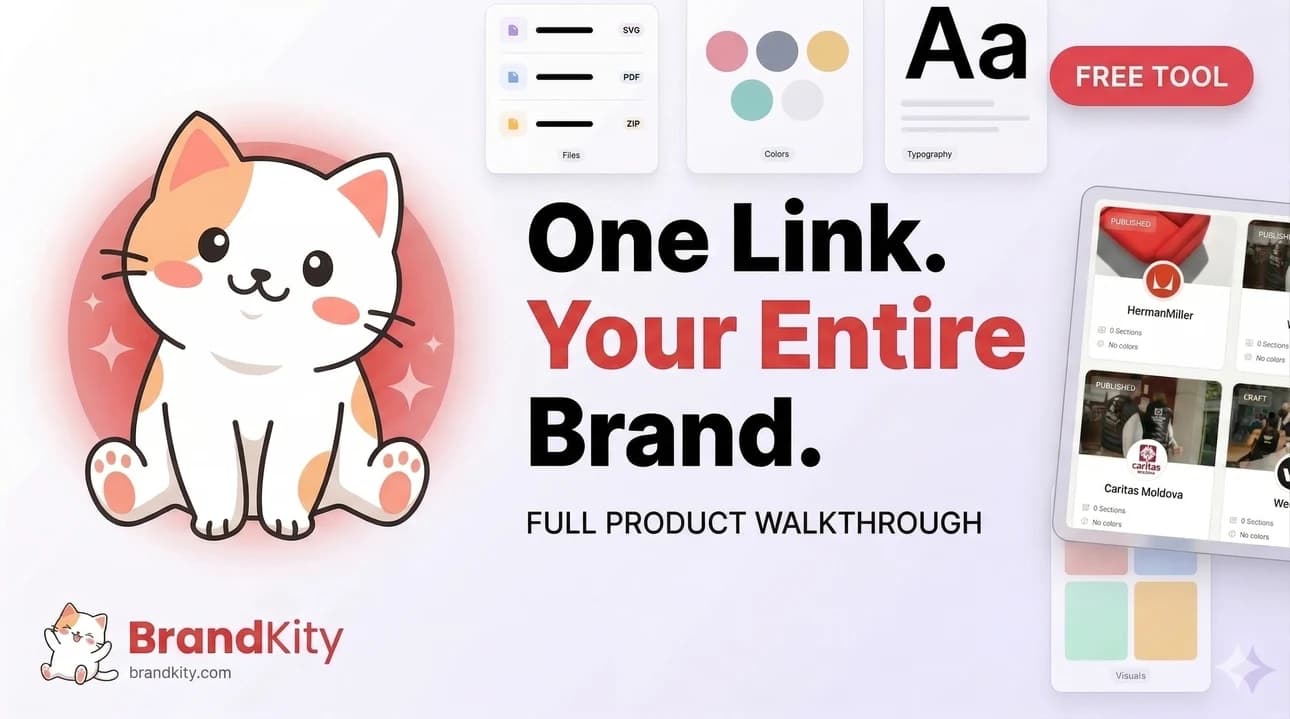
This is where a dedicated brand asset management (BAM) platform steps in, acting as your brand’s central nervous system. It’s not just about storing files; it’s about creating a streamlined, efficient ecosystem for all your brand’s visual and creative assets. Today, we’re going to dive deep into exactly how a BAM platform can give you back that invaluable time, freeing you up to focus on what truly matters: building a powerful, resonant brand. We’ll explore 10 concrete ways these platforms become your secret weapon against wasted hours.
1. Centralized, Organized Asset Library: The End of the Digital Scavenger Hunt
Imagine walking into a perfectly organized library where every book is cataloged, shelved correctly, and easily searchable. That’s the essence of a BAM platform for your brand assets. Instead of having logos scattered across a dozen different folders, product shots buried in an email chain from three years ago, and campaign creatives living on individual designer’s hard drives, everything is in one secure, accessible location.
This isn’t just about having one place to dump files. It’s about intelligent organization. BAM platforms allow for robust tagging, categorization, and metadata application. You can tag assets with campaign names, product lines, target audiences, file types, usage rights, and any other relevant descriptor. This means when someone needs a high-resolution logo for a print ad, they don’t have to scroll through hundreds of similarly named files. They can simply search for “logo, print, high-res, main brand” and find it in seconds.
Think about the time saved here. No more asking colleagues, “Hey, do you have the latest version of the XYZ product flyer?” No more digging through nested folders that seem to multiply overnight. This immediate accessibility drastically reduces the time spent on locating assets, allowing teams to move from ideation to execution much faster. It’s like upgrading from a chaotic filing cabinet to a sophisticated digital archive, instantly boosting your team’s efficiency.
2. Version Control & Audit Trails: Always Use the Right File, Every Time
The dreaded “final_final_v3_real.ai” file. We’ve all been there, right? Using an outdated logo or an old brand color can have serious consequences, diluting your brand’s message and looking incredibly unprofessional. A BAM platform acts as the ultimate guardian against these errors.
With robust version control, every time an asset is updated, the previous versions are preserved but clearly marked as superseded. Users are always presented with the most current, approved version by default. This eliminates the guesswork and the risk of someone accidentally downloading or using an old asset.
Furthermore, audit trails provide a clear history of who accessed, downloaded, or modified an asset and when. This transparency is invaluable for accountability and troubleshooting. If a mistake does happen, you can quickly trace it back. This feature alone saves immense amounts of time that would otherwise be spent identifying the source of brand inconsistencies and rectifying them. It’s like having a vigilant librarian who ensures only the most accurate and approved editions are ever checked out.
3. Streamlined Approval Workflows: Cutting Through the Red Tape
Getting creative assets approved can feel like navigating a bureaucratic maze. Emails get lost, feedback is scattered across different platforms, and crucial stakeholders might be missed. This slows down projects and frustrates everyone involved. A BAM platform revolutionizes this process.
Most BAM solutions offer built-in workflow tools. You can set up specific approval paths, assigning tasks to individuals or teams. When an asset is ready for review, it’s automatically routed to the next approver. Stakeholders can view the asset, provide feedback directly within the platform, and approve or reject it with a single click. Notifications are sent to keep everyone informed of progress.
Imagine a marketing campaign launch. Instead of chasing down your legal team for logo approval, your brand manager for color sign-off, and your VP for final approval via a chaotic email chain, you can set up a clear workflow within your BAM. Each person gets a notification, reviews the asset, leaves their comments, and approves. The entire process is tracked, transparent, and significantly faster. This dramatically reduces the time spent on administrative follow-ups and ensures projects move forward without unnecessary delays. This is a crucial element in effective creative operations.
4. Controlled Access and Permissions: Security and Efficiency Hand-in-Hand
Not everyone needs access to every single asset, nor do they need the ability to edit them. Granting broad access to shared drives can lead to accidental deletions, unauthorized modifications, or the misuse of sensitive brand materials. BAM platforms offer granular control over who can see, download, or edit what.
You can create user groups (e.g., Marketing, Sales, External Partners, Legal) and assign specific permissions to each group. For instance, your sales team might only need access to approved product brochures and presentations, while your design team has full editing rights to logos and templates. External agencies might only be granted view-only access to specific campaign assets.
This level of control saves time by:
Preventing misuse: Less time spent correcting errors caused by unauthorized edits or use of inappropriate assets.
Simplifying onboarding: New team members or external collaborators can be granted access to only what they need, immediately.
Enhancing security: Protects your valuable brand assets from breaches or accidental exposure.
It’s like having a digital security guard and librarian rolled into one, ensuring the right people have the right access at the right time, without manual intervention.
5. Smart Search and Filtering: Finding What You Need, Fast
We’ve touched on organization, but the searchability within a BAM platform deserves its own spotlight. Traditional file systems rely on folder structures and basic file name searches, which are often insufficient. BAM platforms leverage advanced search capabilities.
Beyond keyword searches, many platforms allow for filtering by metadata, asset type (e.g., photos, videos, logos, documents), file format (JPG, PNG, AI, EPS), creation date, usage rights, and custom tags. Some even offer visual search capabilities, allowing you to find similar images.
Consider a scenario where you need a specific product image that was taken during a photoshoot last summer. Instead of browsing through countless folders, you can search for “product X, summer photoshoot, outdoor, high-res” and get a curated list of relevant results instantly. This intelligent search significantly reduces the time spent hunting for assets, allowing users to quickly find exactly what they’re looking for and get back to their tasks. It makes the process of finding assets feel less like an archaeological dig and more like a quick query.
6. Consistent Brand Application: Templates and Guidelines at Your Fingertips
Maintaining brand consistency across all your communications is vital for brand recognition and perception. However, it can be a constant battle, especially with distributed teams or external partners. BAM platforms play a crucial role in ensuring every piece of content aligns with your brand standards.
Many platforms integrate or host brand guidelines directly. Users can access up-to-date logo usage rules, color palettes, typography specifications, and even approved messaging. This provides a single source of truth for brand compliance.
Moreover, BAM platforms can host customizable templates. Need to create a social media graphic? Pull a pre-approved template, drag and drop your product image, and it’s ready to go, ensuring it adheres to your brand’s visual identity. This not only saves time on design work but also eliminates the need for constant back-and-forth to ensure compliance. It’s like having a brand coach available 24/7, guiding everyone to use assets correctly and consistently. This is particularly helpful when considering a comprehensive brand marketing guide.
7. Reduced Redundant Work: No More Recreating the Wheel
How often do you see a request for an asset that already exists, but no one can find it? Or a designer spending hours recreating a logo because the correct vector file was misplaced? These are common instances of redundant work that a BAM platform effectively eliminates.
By having a single, well-organized repository, the likelihood of assets being lost or forgotten is drastically reduced. When a request comes in, the first step is to search the BAM. If the asset exists, it can be quickly retrieved. If it needs a slight modification, the existing master file can be accessed and updated, rather than starting from scratch.
Consider a company that frequently creates regional variations of their marketing materials. Instead of recreating each one from scratch, a BAM platform can house master templates and localized assets. A regional manager can quickly find the relevant template, pull the correct local imagery, and generate compliant materials in minutes, rather than days. This prevents wasted creative hours and ensures resources are used more efficiently.
8. Faster Onboarding and Collaboration: Empowering New and Existing Teams
Bringing new team members up to speed on brand assets and guidelines can be a time-consuming process. Similarly, collaborating with external agencies or freelancers often involves a lengthy handover of assets and instructions.
A BAM platform streamlines this by providing a self-service portal for all brand assets. New hires can log in and immediately access all the logos, images, templates, and guidelines they need to get started. External collaborators can be granted temporary, controlled access, allowing them to download the necessary files and understand brand requirements without extensive manual guidance.
This immediate access and clarity empower teams to become productive much faster. Instead of dedicating hours of an existing team member’s time to explain where things are and how to use them, the BAM platform acts as an intuitive onboarding tool. This is particularly beneficial for agencies looking to understand client brand guidelines, bridging the gap between brands and their creative partners. A strong connection between brands and agencies relies on efficient asset sharing.
9. Integration with Other Tools: A Seamless Workflow Ecosystem
Your BAM platform doesn’t operate in a vacuum. The real time-saving magic happens when it integrates with the other tools your team uses daily, such as design software, project management systems, and content management systems (CMS).
Imagine a designer working in their favorite creative suite. With a BAM integration, they can access approved brand assets directly from within the software, without ever leaving the application. They can pull the latest logo, a product image, or a brand font, use it, and then check the updated version back into the BAM. This eliminates the tedious process of downloading, editing, and re-uploading files.
Similarly, integrating with a CMS means your marketing team can easily pull approved images and videos directly from the BAM to populate your website or blog posts. This avoids manual uploads and ensures that only the correct, on-brand assets are used. These seamless integrations create a fluid workflow, minimizing context switching and saving significant amounts of time that would otherwise be spent manually transferring files between applications.
10. Analytics and Reporting: Understanding Asset Usage and Performance
While not directly about finding a file, understanding how your brand assets are being used and performing can save you time in the long run by informing better decisions and reducing wasted effort.
BAM platforms often provide analytics on asset downloads, usage frequency, and even which assets are being used by which teams or on which projects. This data can help you identify your most valuable assets, understand what resonates with your audience, and pinpoint areas where your brand might be underperforming or inconsistently applied.
For example, if analytics show that a particular product image is downloaded far more often than others, you know it’s a high-performing asset. This might prompt you to create more assets in a similar style or to ensure that popular asset is readily available and prominently featured. Conversely, if certain older assets are rarely used, you can identify them for archiving, decluttering your library and making it easier to find relevant assets. This informed approach saves time by guiding your future content creation and asset management strategies, ensuring you’re investing your resources wisely.
The Bottom Line: Reclaim Your Time, Amplify Your Brand
In today’s fast-paced digital landscape, time isn’t just money; it’s the currency of innovation and competitive advantage. The hours spent searching for files, chasing approvals, and correcting brand inconsistencies are hours that could be spent on strategic thinking, creative development, and impactful campaigns. A brand asset management platform isn’t just another piece of software; it’s a strategic investment in your team’s productivity and your brand’s future.
By centralizing, organizing, and streamlining access to your brand’s most valuable assets, you empower your teams to work smarter, faster, and more cohesively. You eliminate the friction points that slow down progress and reduce the risk of costly brand errors. Think about the cumulative effect of saving even just a few hours per person per week. That translates into significant gains in overall output and efficiency.
If you’re tired of the digital scavenger hunt and ready to unlock a new level of brand efficiency, it’s time to explore how a dedicated brand asset management platform can transform your workflow. It’s about more than just managing assets; it’s about reclaiming your time so you can focus on what truly matters: building a powerful, memorable, and successful brand. Ready to stop wasting time and start building your best brand yet?
Saurabh Kumar
Founder, BrandKity
Saurabh writes about practical brand systems, faster client handoffs, and scalable workflows for designers and agencies building repeatable delivery operations.
Connect on LinkedIn